Author

Clare Louise

Browsing

For personal injury lawyers, establishing a strong online presence is crucial to attracting clients who often find legal services during stressful and urgent times. Specific SEO tactics tailored to personal injury law can significantly enhance a firm’s online visibility and engagement. This article delves into topic relevance, local search optimization, and creating impactful content designed to address common client concerns and queries.

Topic Relevance and Keyword Strategy

Personal injury law covers a range of topics from auto accidents to workplace injuries. Identifying and targeting specific keywords related to these topics can drive relevant traffic to your website.

  • Keyword Research: Use tools like Google Keyword Planner or Ahrefs to identify high-volume, relevant keywords specific to personal injury law, such as “personal injury attorney” or “car accident lawyer in [City].”
  • Content Alignment: Develop content that aligns with the search intent of your potential clients. This means creating content that answers specific queries related to personal injury claims, legal processes, and client rights.

Optimizing for Local SEO

Since legal services are often sought locally, optimizing your SEO strategy for local search is essential for personal injury lawyers.

  • Google My Business: Optimize your Google My Business profile with up-to-date contact information, descriptions, and the practice areas you specialize in. Regularly updating this profile with posts and responding to reviews can also improve your local SEO.
  • Local Keywords: Incorporate local keywords into your SEO strategy. For instance, if your practice is in Chicago, keywords like “Chicago personal injury lawyer” or “personal injury attorney in Chicago” can help you rank in local search results.
  • Location Pages: Create specific pages on your website for different locations you serve, especially if your practice spans multiple cities or regions.

For more detailed insights into optimizing local SEO, the Grow Law Firm offers extensive resources and guidance specifically tailored for personal injury lawyers.

Creating Engaging and Informative Content

Content is a powerful tool in SEO, especially for law firms. Creating engaging, informative content not only helps improve your search engine rankings but also builds trust with potential clients.

  • Educational Blog Posts: Write blog posts that educate potential clients about different aspects of personal injury law, steps to take after an injury, and what to expect from the legal process.
  • FAQ Pages: Develop FAQ pages that address common questions related to personal injury cases. This not only aids SEO but also serves as a valuable resource for site visitors.
  • Video Content: Create video content that explains complex legal information in an accessible way. Videos can increase engagement and time spent on your site, which are positive signals to search engines.

Building a Backlink Profile

Backlinks are a critical component of SEO. For personal injury lawyers, acquiring high-quality backlinks from reputable sites within the legal industry can boost domain authority and improve search ranking.

  • Guest Blogging: Write guest posts for well-known legal blogs or local news outlets to gain backlinks and increase your firm’s visibility.
  • Professional Associations: Leverage memberships in legal associations to get listed on their directories or contribute to their publications.
  • Community Engagement: Participate in community events or sponsorships that could lead to mentions and links from local organization websites.

By focusing on these specific SEO tactics, personal injury lawyers can enhance their online visibility, attract more relevant traffic to their sites, and ultimately convert more website visitors into clients. For personal injury law firms seeking to further refine their SEO strategies and gain a competitive edge in their local markets, visiting resources like the Website can provide additional tools and expert advice tailored to the unique challenges faced by legal professionals.


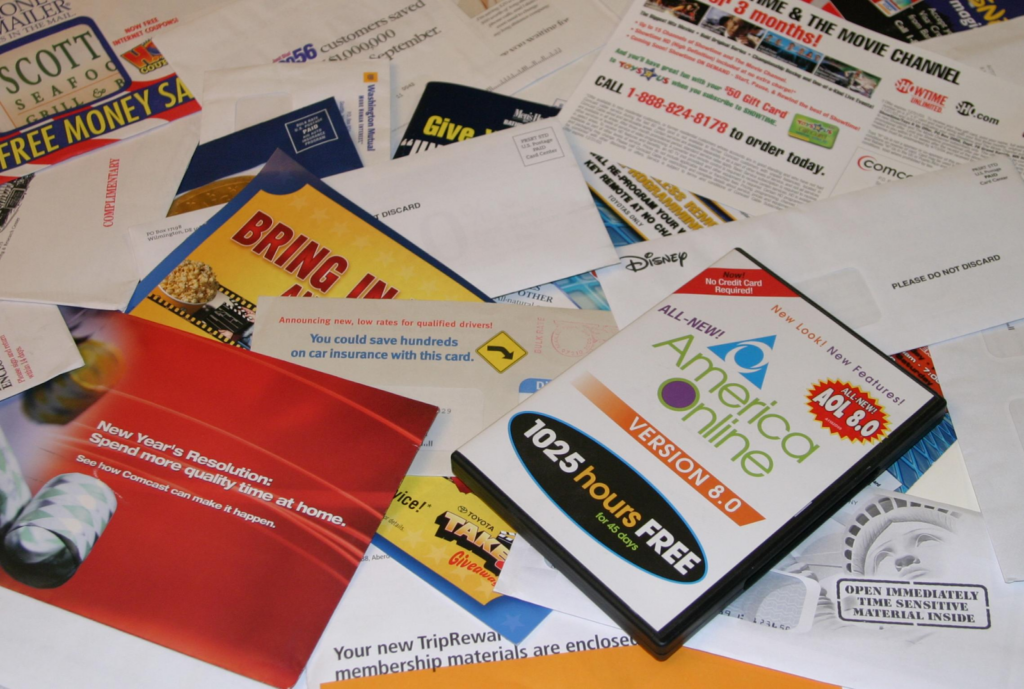
Digital marketing through online ads and email coupons is effective, but there are also traditional methods that can make your business stand out. One such method is direct mail—marketing materials sent directly to your customer’s mailbox. It’s a great way to boost brand awareness, customer loyalty, and ultimately, business growth. A gift card mailer is an easy and impactful way to get started with direct mail marketing.

What Is a Gift Card Mailer?

Gift card mailers allow you to promote your business in a personal and engaging way. Instead of sending a simple letter or coupon, your customers receive a laminated, plastic gift card attached to an informative mailer. The mailer explains your business and the offer you’re marketing. Like any gift card, these mailers can feature product discounts, complimentary services, or other special offers.

The Benefits of Using Gift Card Mailers for Your Business

For your customers, gift card mailers combine the excitement of receiving a gift card with the personal touch of a customized direct mail piece. For your business, gift card mailers offer numerous advantages to help drive growth. Here’s why gift card mailers work:

High Success Rate
Businesses that utilize direct mail campaigns often see a return on investment (ROI) of approximately 15-17%. By offering an incentive to your target audience to visit your business, you may experience an even greater return.

Easy to Create
Gift card mailers are simple to design and create. All you need to do is provide information about your target audience and any design preferences you have, and the rest can be handled for you.

Stand Out from Competitors
While many businesses rely on email marketing, research shows that 70% of consumers prefer traditional mail. A gift card mailer is a unique and effective marketing tool that can help you stand out from the crowd.

Versatile for All Business Types
Gift card mailers can be used by a variety of businesses, including retail stores, restaurants, service providers, and more. The range of offers you can include is endless—from a discount on their next purchase to a free meal or service.

Durable and Long-Lasting
Since gift card mailers are made from high-quality PVC laminate film instead of paper, they are much more durable and can withstand the wear and tear of the mail system.

Stand Out from Your Competitors Today

Gift card mailers offer an excellent way to make your business stand out in a cost-effective and impactful manner. Whether you’re looking to engage new customers or reward loyal ones, gift card mailers can help you achieve your marketing goals. To learn more or start designing your mailer, reach out today.


In a world where environmental sustainability and energy efficiency are not just buzzwords but actual imperatives, a revolution is quietly brewing in the HVAC industry. The name at the forefront of this technological renaissance? Belimo HVAC.

The Trailblazers of Tomorrow: Belimo’s Innovation Philosophy

Belimo is not just another company in the HVAC landscape; it’s a harbinger of change, setting benchmarks that challenge the industry norms. So, what gives them this transformative power? Here are some key areas where Belimo shines:

  1. Smart Actuators: Belimo’s actuators come with built-in diagnostic tools that provide real-time insights into their performance.
  2. Energy Savings: A focus on sustainability has led to energy-efficient solutions that promise long-term savings.
  3. Versatility: The valves and actuators come in all shapes and sizes, enabling a custom fit for any HVAC system.

The Future of HVAC is Here: Connectivity and Cloud-based Management

The Internet of Things (IoT) has already taken over our homes, cars, and even our fridges. So why should HVAC systems be any different? Belimo has been a front-runner in integrating advanced connectivity into their HVAC components.

  • Remote Control: Imagine controlling the air quality and temperature of your building from miles away. With Belimo’s cloud-based solutions, it’s a reality.
  • Predictive Maintenance: Receive automated alerts about possible system hiccups before they turn into costly disasters.
  • Data Analytics: Utilize AI-driven algorithms to understand usage patterns and optimize the system for unparalleled efficiency.

The Queen of the Pack: Introducing b277+afrx24-mft-s

When it comes to cutting-edge, efficient, and reliable HVAC solutions, the b277+afrx24-mft-s model deserves special attention. This model incorporates an impressive range of features that make it the cream of the crop:

  • Ultra-low Energy Consumption: This valve is engineered to run efficiently, minimizing your energy bills.
  • Spring-return Technology: Ensures that the valve returns to its fail-safe position in case of any power failure.
  • Customizable Settings: The model comes with multiple fail-safe positions that can be tailored to individual needs.

Safety and Sanitization: Breaking Stereotypes

The COVID-19 pandemic brought into focus the importance of air quality, making it a top priority for HVAC systems. Belimo has been proactive in adapting its technologies for enhanced safety and sanitization.

  • Virus-Neutralizing Filters: Specialized filters that capture and neutralize harmful bacteria and viruses.
  • UV-C Treatment: Belimo valves and actuators can be equipped with UV-C lamps that continuously sanitize the air.
  • Humidity Control: Accurate sensors and valves to control humidity, thereby limiting the spread of airborne pathogens.

Belimo’s Eco-Friendly Commitment

A vital aspect of Belimo’s operation is its commitment to environmental sustainability. Through innovative designs that prioritize energy efficiency, Belimo is making substantial strides in reducing the carbon footprint of HVAC systems worldwide. Here’s how they are doing it:

  • Recyclability: Materials used in their products are often recyclable, reducing waste.
  • Renewable Energy: The company itself operates on a substantial percentage of renewable energy.
  • Green Certifications: Many Belimo products come with eco-friendly certifications, underlining their commitment to sustainability.

As we witness an era of rapid technological advancements, Belimo’s game-changing innovations are setting new benchmarks for the HVAC industry. From cloud-based management to models like b277+afrx24-mft-s that prioritize safety and energy efficiency, the company is indeed revolutionizing what HVAC can offer to humanity. So, whether you’re in the process of building a new facility or upgrading an existing HVAC system, understanding the transformative power of Belimo’s technologies can guide you in making informed decisions for a sustainable and efficient future.


Metering modes in your camera help you set the perfect exposure for the scene. Metering modes are related to the camera meter, which detects the amount of reflected light in the scene and, based on the metering mode that you’ve selected, gives you an accurate estimate of the exposure. It will tell you whether your exposure is brighter or darker, giving you an indication of what adjustment you need to make to correct the exposure. It’s pertinent to note that the light meter won’t adjust the exposure settings in any creative mode. It will merely tell you if your exposure is off and by how much.

The camera meter works under a simple setting, and that setting is 18% grey or also known as medium grey. 18% grey is a setting that’s considered when evaluating whether the scene is too bright or too dark. If you look at the metering scale of your camera, ‘0’ is where that 18% grey lays.

It’s pertinent here to understand something. Your camera meter isn’t concerned with the brightness of the colors in a scene. It only looks at the amount of reflected light, and colors don’t bother it. So, you can take all this content and use it for black-and-white photography.

Returning to the camera’s metering system and how that affects your exposure. If the scene is too bright, the camera’s metering system will figure out that it’s brighter than the medium grey it’s programmed to look at. The camera’s metering system will tell you that the scene is too bright in any creative mode and that you’re underexposed. The auto mode will automatically dial in the settings to make the exposure medium grey.

When the scene is too dark, the camera will detect it as underexposed and automatically try to push the exposure to make it medium grey in the auto mode. In the creative mode, the meter shows that the scene is underexposed.

There are several metering modes on a camera, and they’re ideally suitable for working in different situations. Each metering mode – Spot, Partial, Center-weighted, and Evaluative is designed to consider a specific part of the frame in question to ensure that the scene is exposed correctly.

Evaluative metering is where the camera considers almost the whole frame to assess the amount of light in the scene.

Center-weighted metering is where the camera pays attention to the center of the frame to assess the amount of light but also takes into account the whole scene.

Partial metering is where the center of the frame is considered to assess the amount of the scene’s light.

Finally, Spot metering is where only the center point of the frame is considered for assessing the amount of light. In some cameras, that’s the focusing point, and about 2-3% of the frame around the focusing point is considered for assessing the light value.

Heavy-duty industrial players like renewable energy suppliers and geothermal service providers have always looked for better, cheaper, and more effective equipment solutions. The said industries have taken a step toward a more sustainable future with modern technology and rapid advancements.

Among various tools and equipment, non-metallic and glass reinforced plastic piping systems have already made a significant impact on energy companies. Their unmatchable strength, durability, and cost benefits are revamping oil production sites and energy plants across the globe.

But before you replace your unit’s dingy and under-performing metallic piping systems with non-metallic, AKA composite pipes or FRP pipes, there are some key things you must know about the latter.

In this detailed post, you will talk about non-metallic piping and more. So let’s get into the details right away.

What Are Non-Metallic Pipes?

As an oil and gas field ages, it becomes more vulnerable to corrosion. Gasses like methane, carbon dioxide, and hydrogen sulfide affect the internal and external parts of its piping system. That’s why companies must look for equipment that can improve their site’s functionality and safety regardless of its stage of development.

The latest ASME standards state that plastics, concrete, wood, and clay can be used for making non-metallic piping products for varying needs. However, polymer-based or fiberglass piping has surpassed the other types in terms of longevity, strength, and flexibility. They’re ideal for numerous applications ranging from plumbing to oil and gas supply.

Common Polymer or Fiberglass-Based Piping Materials

Here are the five main types of polymers used for making non-metallic pipes:

PVC

Short for Polyvinyl Chloride, PVC piping has several non-toxic and fluid-flow-enhancing capabilities with improved pressure-temperature resistance.

CPVC

CPVC pipes are similar to PVC pipes but possess higher temperature, moisture, impact, and pressure resistance.

HDP

High-Density polymer piping is ideal for heavy-duty applications such as drainage and industrial waste systems.

FRP/GRP Pipes

FRP and GRP stand for fiber-reinforced plastics and glass-reinforced plastics, respectively. Both products are essentially the same and made with a mix of polymer, fiber, and resin. These pipes are non-reactive, extremely smooth, and stable.

Free photos of Glass fiber

Non-metallic and polymer piping systems made of fiberglass have proven as the best solution to the oil and gas industry’s pressing challenges. Made of different polymers and fibers, non-metallic pipes exhibit superior performance in the oil and gas, geothermal, water supply, and other energy fields.

The Objectives for Installing Non-Metallic Piping Systems

There are four key objectives you must keep in mind when opting for a composite piping system for your plant or production facility:

1.   Eliminate

Corrosion costs the global energy sector more than $2.5 trillion every year. Non-metallic pipes offer high resistance against corrosion and moisture damage. They help eliminate the costs associated with repetitive maintenance and improve piping quality, resilience, and durability.

2.   Generate

Non-metallic piping systems generate higher revenue by increasing production and reducing downtime.

Free photos of Alaska

3.   Maximize

Studies have shown that composite or non-metallic pipes have better flexibility coefficient and u-bending rate. This helps maximize your pipeline’s ability to withstand natural land sliding and swamp pressure.

4.   Avoid

Spills, equipment downtime, and environment-led damage are a production facility manager’s worst nightmares. Non-metallic pipes can be easily integrated into oil and gas, water, coal, and even geothermal plants for more flexible ground movement and product spill prevention.

Advanced Standards for Non-Metallic Piping

You may often confuse non-metallic pipes as complete plastic piping systems, but that’s not the case. According to the Petroleum Refinery Piping Code (ANSI B 31.3.), the amount of plastic in non-metallic pipes must be no more than 10 kg/cm2 and above 80 degrees.

All the forms of non-metallic pipes are manufactured following this guideline, and manufacturers ensure that their client’s requirements also conform to them. The code is further broken into specified limitations for upstream and downstream control valve pipes. Non-metallic pipes must not contain any kind of solid non-metallic flanges to prevent risks as per ANSI 16.5 code.

In addition to ANSI, the ASME is also focused on improving standards used for manufacturing non-metallic piping for energy and engineering markets.

Non-Metallic vs. Metallic Pipes

Non-metallic piping systems are more advanced than standard steel pipelines. They come with improved configuration and integration capabilities. Their structure can be optimized according to a plant’s additive systems. Non-metallic pipes are highly customizable. Users can get their pipes made with varying temperatures, densities, dimensions, permeability, and stiffness.

Free photos of Pipeline

On the other side, steel or metallic pipes don’t offer this much room for improvement or customization. They’re built according to a fixed API standard. Their pressure resistance is relatively lower and generally cannot withstand bending loads and corrosion allowances.

Wondering Where to Buy Quality Non-Metallic Pipes for Your Industrial Plant? CNPS Can Help

CNPS is a highly-renowned and reliable OCTG goods, non-metallic pipes, surface logging equipment, and mud logging solutions company. The company caters to a global, far-reaching clientele and has helped numerous businesses achieve higher performance, compliance, and safety standards with its top-notch equipment.

You can set up a consultation with experts at CNPS to discuss your business’s unique needs. As a competent fiberglass pipe supplier, CNPS can help you find the best non-metallic piping system according to your production facility. Check out their fiberglass piping systems, glass-reinforced plastic pipes, and GRE casing solutions.

They also offer geology supplies and mud-logging solutions for surface logging service providers, along with other top-of-the-line products that comply with the latest ISO and API standards.

You can also request a free quote for their non-metallic solutions, alloy OCTG products, and composite pipes designed using the latest technologies to meet the rigorous demands of diverse industrial applications. The company has also made all the information available online to add convenience to the process.

There are so many financial decisions that need to be made for you to get your bank account back on track. Whether it’s staying on top of your bill or making sure that you’re saving money in some way, these tax relief professional will help you get back on track.

Budgeting Basics

Budgeting is one of the most important aspects of maintaining financial health, yet it’s also one of the most difficult. There are a lot of moving parts to consider when creating a budget, but the process can be boiled down to a few basics.

Start by evaluating your current income and expenses. This will give you a good starting point for understanding where your money is going each month. Once you have a clear picture of your spending, you can start to make adjustments.

There are a variety of ways to approach budgeting, but one of the simplest is the 50/30/20 rule. This rule suggests that 50% of your income should go towards essential expenses like housing and utilities, 30% should be dedicated to discretionary spending like entertainment and dining out, and 20% should be saved or used to pay down debt.

Of course, this is just a general guideline and your specific circumstances may require a different approach. The important thing is to find what works for you and stick with it. Creating and following a budget can be challenging, but it’s an essential step in taking control of your finances.

Here are a few tips to help you get started:

1. Make a budget

The first step to getting out of debt is to figure out where your money is going. Take a look at your income and expenses and see where you can cut back. There’s no magic number for how much you should save each month, but every little bit helps.

2. Create a payment plan

Once you have a budget in place, it’s time to create a payment plan for your debts. Start by paying off the debts with the highest interest rates first. Then, work your way down the list. As you pay off each debt, use that extra money to make larger payments on the next debt on the list.

3. Stay disciplined

It’s important to stay disciplined with your payments. Once you’ve fallen behind on your debts, it can be difficult to catch up.

Focusing on the Future

When it comes to getting your finances back on track, it’s important to focus on the future. That means setting realistic goals and making a plan to achieve them.

The Importance of an Emergency Fund

An emergency fund is important because it provides a buffer between you and unexpected expenses. If you have an emergency fund, you can cover unexpected costs without having to rely on credit cards or loans. This can help you avoid high-interest rates and fees, as well as the stress of not being able to pay your bills.

An emergency fund can also help you avoid going into debt if you experience a financial setback. For example, if you lose your job, an emergency fund can help you cover your living expenses until you find new employment. Having an emergency fund gives you peace of mind knowing that you have a safety net in place if something goes wrong.

If you don’t have an emergency fund, now is the time to start one. Begin by setting aside some money each month into a savings account. You may want to start with $50 or $100 per month, depending on your budget. Once you have built up a decent-sized emergency fund, consider investing some of the money so that it can grow over time. Having an emergency fund is an important part of financial planning and can help ensure that you are prepared for anything life throws your way.

Conclusion

financial tips that can help you get your finances back on track. Implementing even just a few of these tips can make a big difference in your overall financial health. If you’re serious about getting your finances under control, start with these five simple tips and see where it takes you.