Author

Clare Louise

Browsing

Decentralized finance (DeFi) offers exciting opportunities for passive income through yield farming, staking, and lending. By starting with small investments and gradually scaling up, even beginners can benefit from DeFi without exposing themselves to unnecessary risk. This article outlines a straightforward approach to beginning a passive income journey in DeFi, with tips on stablecoin yield farming, risk management, and scaling strategies.

Why Start Small in DeFi?

DeFi’s decentralized and often volatile nature can be daunting, especially for newcomers. Starting small allows you to gain hands-on experience with minimal financial exposure, helping you become comfortable with concepts like liquidity pools, staking, and yield farming. With a careful start, you can also learn the basics of security, such as using wallets safely and understanding smart contract risks, before committing larger amounts.

Starting with a modest investment also gives you room to explore various DeFi projects without fear of significant losses. As you become more familiar with the ecosystem, you can increase your investments gradually, making adjustments to optimize returns while minimizing risks.

Choosing Stablecoins for Reliable, Low-Risk Returns

Stablecoin yield farming is a popular choice for new DeFi investors seeking passive income without excessive risk. Unlike more volatile cryptocurrencies, stablecoins are pegged to assets like the U.S. dollar, reducing price fluctuations. This stability allows investors to earn consistent returns through yield farming and lending, as stablecoins serve as the foundation for many DeFi lending protocols and liquidity pools.

DeFi

  • Top Stablecoins: Some widely used stablecoins in DeFi include USDT (Tether), USDC (USD Coin), and DAI. Each has its unique characteristics, but they all offer a safe entry point for yield farming.
  • Returns on Stablecoin Yield Farming: Stablecoin yields typically range from 5% to 15% APY, depending on the platform and the protocol. These returns are appealing for those who prioritize predictable income over high-risk, high-reward opportunities.

Setting Up: Wallets, Platforms, and Initial Investments

Before you start earning passive income in DeFi, you’ll need a secure wallet and a trusted DeFi platform. Hot wallets like MetaMask and Trust Wallet are popular choices for DeFi transactions, while hardware wallets like Ledger or Trezor offer additional security for long-term holdings. A secure wallet setup ensures that you control your private keys, keeping your funds safer from potential threats.

Once your wallet is ready, research DeFi platforms with strong security track records and diverse stablecoin yield farming options. Platforms like Aave, Compound, and Curve Finance are established names in DeFi, offering stablecoin lending pools that enable passive income without needing large upfront investments.

Starting Small: Initial Yield Farming Steps

With a modest budget, you can explore stablecoin yield farming and other DeFi options. For example, you might begin by lending stablecoins on a platform like Aave or participating in a stablecoin liquidity pool on Curve Finance. These platforms allow you to earn interest on small investments, and they often compound returns automatically, helping your funds grow over time.

Beginner-Friendly Tips:

  • Set Limits: Avoid over-committing to a single protocol or pool. With stablecoins, you can try smaller amounts and spread them across different platforms to test which ones perform best.
  • Auto-Compounding: Some platforms offer auto-compounding features, reinvesting your earnings to enhance returns gradually. This can be a powerful tool when you’re starting small.

Scaling Up: Diversify and Increase Investment Gradually

As you gain confidence in DeFi, you can begin to increase your investments and explore additional yield farming options. For example, you might branch out into more advanced liquidity pools, asset pairs, or even consider staking protocols that offer higher returns. Increasing your stablecoin yield farming positions is also an effective way to build on your early gains while keeping risks manageable.

When scaling up, diversification is key. By spreading your funds across multiple pools, blockchains, and protocols, you mitigate risks and reduce the chance of significant losses if a single platform underperforms or faces security issues. For instance, after starting with stablecoin pools, you could consider other low-risk crypto assets like ETH or BTC pairs in liquidity pools.

Tips for Scaling:

  • Increase Investment Gradually: Start by increasing your contributions to stable, low-risk pools. Then, gradually shift part of your funds into medium-risk pools with higher returns.
  • Reinvest Profits: Instead of cashing out profits immediately, consider reinvesting in new pools or expanding your positions. Compounded over time, reinvestments can significantly boost your passive income.

Managing Risk at Every Stage

Balancing risk is crucial when growing a DeFi portfolio. DeFi platforms and protocols are constantly evolving, and while the potential for passive income is high, so is the risk. Here are a few ways to manage risk effectively as you scale up:

  • Research Protocol Security: Before increasing investments, check for security audits and community feedback on the protocols you’re using. Established platforms with thorough audits reduce the likelihood of smart contract vulnerabilities.
  • Use Multi-Signature Wallets for Larger Investments: If your portfolio reaches a substantial value, consider using multi-signature wallets for added security. These wallets require multiple approvals for transactions, safeguarding your funds from unauthorized access.
  • Stay Informed: The DeFi landscape changes quickly, so staying up-to-date on new projects, updates to protocols, and emerging security threats is essential to protect your assets.

Achieving Sustainable Passive Income in DeFi

Starting small and scaling up in DeFi is an accessible strategy that balances risk and reward, allowing you to earn passive income while adapting to the fast-paced DeFi space. By focusing on stablecoin yield farming, using secure wallets, and diversifying across trusted platforms, you can create a strong foundation for consistent earnings.

In DeFi, gradual growth combined with strategic reinvestments and risk management can build a reliable income stream over time. Whether you’re a beginner or a seasoned crypto enthusiast, taking a measured approach can help you maximize profits while keeping your funds secure.

Building solid customer connections is crucial for long-term success in the cutthroat beauty sector. Customer loyalty programs aim to incentivize recurring patronage by creating a feeling of community and rewarding loyal customers. These initiatives promote client interaction while also giving companies useful information for bettering service delivery and marketing tactics. Nevertheless, in order to fully realize the benefits of these loyalty programs, beauty companies need to have integrated payment systems that provide a smooth customer experience and expedite the rewards system.

Integrated Payment Solutions’ Function

The ability of integrated beauty industry payment processing to synchronize transactional data with loyalty programs is one of its biggest benefits. Beauty firms may use a single platform that automatically monitors consumer purchases and rewards points, saving them from having to manage several systems for payments and incentives. By removing the need for manual entry and reducing mistakes, this connection streamlines the process for both employees and clients, making it simpler for companies to keep accurate records of client contacts.

Improving the Client Experience

A flawless payment process is essential to client happiness. Customers are more inclined to come back when they believe their loyalty is valued and acknowledged. Integrated payment systems guarantee that incentives are applied instantly during transactions, giving customers instant access to their loyalty points. Beauty firms cultivate an atmosphere that fosters repeat business when they provide an easy-to-use experience that allows clients to claim incentives without any misunderstanding or bother.

Customizing the Loyalty Path

When combined with integrated payment processing, loyalty programs may provide insightful information about customer behavior and preferences, which firms can use for focused marketing campaigns. Beauty firms may create customized promos that appeal to certain customers by examining purchasing history. For instance, companies might provide bonus points or special discounts on related goods to customers who regularly purchase skincare products. In addition to making campaigns more successful, customisation strengthens the bond between a company and its clients.

Promoting Client Input and Involvement

Businesses may interact with clients after the transaction by using integrated payment systems. After a transaction, beauty firms might ask for feedback or urge clients to do surveys by sending automated follow-up communications. This helps companies improve their services and offers while also demonstrating to customers that their views are appreciated. Moreover, providing loyalty prizes in exchange for feedback may encourage engagement even more and contribute to the development of a more active clientele.

Promoting Future Growth and Retention

In the end, integrated payment processing-powered customer loyalty programs may greatly improve retention rates and spur future expansion for beauty enterprises. Through the facilitation of a simple and rewarding loyalty program, companies may cultivate a network of devoted customers who feel valued and involved. 

Since credit card processing enables consumers to use their cards to pay for products and services, it is a crucial component of contemporary company operations. However, retail establishments and e-commerce platforms may operate quite differently when it comes to credit card processing. It is essential for entrepreneurs to comprehend these distinctions in order to guarantee smooth transactions and preserve client confidence.

Processing Credit Cards for Retailers

Credit card processing usually entails face-to-face communication between the consumer and the cashier in physical retail settings. The merchant utilizes a point-of-sale (POS) system with a card reader when a consumer presents their credit card. This gadget scans the magnetic stripe or EMV chip on the card to get important information including the number and expiry date. To approve the transaction, the client may be required to sign or enter a PIN. Knowing how credit card processing works is essential in this case.

Processing Credit Cards for Online Sales

However, e-commerce credit card processing follows a distinct path since it does not include face-to-face interactions as retail transactions do. A consumer enters their credit card information into a secure web form while making a transaction on an online platform. Important details including the credit card number, expiry date, and sometimes a security code (CVV) are included in this data. E-commerce companies use payment gateways, which function as a bridge between payment processors and online stores, to make these transactions easier.

Disparities in Technology

There are substantial differences between the underlying technologies used in retail and e-commerce credit card processing. Hardware that is intended for usage in a physical space, such as POS systems and card readers, is a major component of retail systems. These gadgets are often strong and include features like receipt printing and inventory management.

Security Issues

Although security protections are in place for both retail and e-commerce transactions, the threats they confront are quite different. The two biggest threats to retail transactions are physical theft and card fraud, which is why companies are using technologies like contactless payment systems and chip scanners to improve security for in-person transactions.

Conversely, e-commerce companies have to contend with the constant risk of cyberattacks and data breaches. More stricter cybersecurity precautions are required due to the digital nature of transactions. These methods include anti-fraud tools, SSL certificates for data protection, and tokenization, which substitutes non-sensitive cardholder data for sensitive in order to deter possible fraud.

Conclusion

In the end, credit card processing in e-commerce and retail settings demonstrates how transaction technology have developed in tandem with changing customer behavior. Retail processing is based on quick, human-facilitated encounters, whereas e-commerce is a digital-first strategy that uses cutting-edge technology to reach a worldwide customer base. Regardless of their operational environment, company owners may protect consumer transactions and optimize the effectiveness of their payment processing systems by being aware of these distinctions.

Private notes are digital messages that self-destruct after being read. They provide a temporary and secure method of sharing sensitive information. By using private notes, businesses can ensure that confidential data doesn’t linger in inboxes or devices, reducing the risk of unauthorized access.

Setting up a private note system

Businesses need to choose a reliable platform to implement a private note system. Many options are available, each with its features and security measures. It’s essential to select a platform that meets your company’s specific needs and security requirements.

Creating and sharing private notes

Once you’ve chosen a platform, creating private notes is typically straightforward. Users can compose their message, set an expiration time, and generate a unique link. This link can be shared with the intended recipient through a secure communication channel.

Best practices for using private notes

To maximise the effectiveness of private notes, it’s essential to follow some best practices. These include using strong, unique passwords for each note, limiting the number of people accessing the notes, and regularly reviewing and updating your privacy policies.

  1. Training employees on private note usage

Educating your team on how to use private notes correctly is crucial. Provide comprehensive training on the chosen platform, emphasizing the importance of following security protocols. Regular refresher courses all employees are up-to-date with the latest best practices.

notes

  1. Integrating private notes into existing workflows

To maximize private notes, integrate them seamlessly into your existing workflows. This might involve updating customer service protocols, revising data handling procedures, or modifying communication guidelines. The goal is to make using private notes a natural part of daily operations.

  1. Monitoring and auditing private note usage

Regular monitoring and auditing private note usage can help identify potential security risks or misuse. Implement a system to track who is creating and accessing private notes, and review this information periodically to ensure compliance with your company’s policies.

Addressing common concerns about private notes

Some employees or customers might have concerns about using private notes. Address these concerns openly by explaining the security benefits and providing clear information about how the system works. Transparency and encourage adoption of this security measure.

  • Staying updated with privacy regulations

Privacy regulations are constantly evolving. Stays informed about changes in data protection laws and adjust your private note policies accordingly. Regularly review and update your practices to ensure ongoing compliance with relevant regulations. Learning how to use privnote effectively is an essential step in protecting sensitive customer data.

  • Handling emergencies and data recovery

While private notes are designed to self-destruct, there may be situations where data recovery is necessary. Develop a protocol for handling emergencies, such as when critical information is accidentally deleted. This might involve working closely with your chosen platform’s support team.

  • Evaluating the effectiveness of your private note system

Periodically assess the effectiveness of your private note system. Gather feedback from employees and customers, analyze usage patterns, and identify any areas for improvement. This ongoing evaluation will help you refine your approach and maximize the benefits of using private notes.

  • Looking to the future of data protection

As technology advances, so do the methods for protecting sensitive data. Stay informed about emerging trends and technologies in data security. Consider how these developments impact your use of private notes to adapt your strategies accordingly.

Telemarketing is still an essential strategy in the direct marketing space for companies trying to reach out to their clients. Nonetheless, businesses often struggle to decide between outbound and inbound telemarketing. The benefits and cons of each strategy may have a big influence on how successful a marketing effort is. We will examine both approaches in this post, analyzing their benefits and drawbacks, in order to decide which is best for direct marketing retailers.

Comprehending Inbound Telemarketing

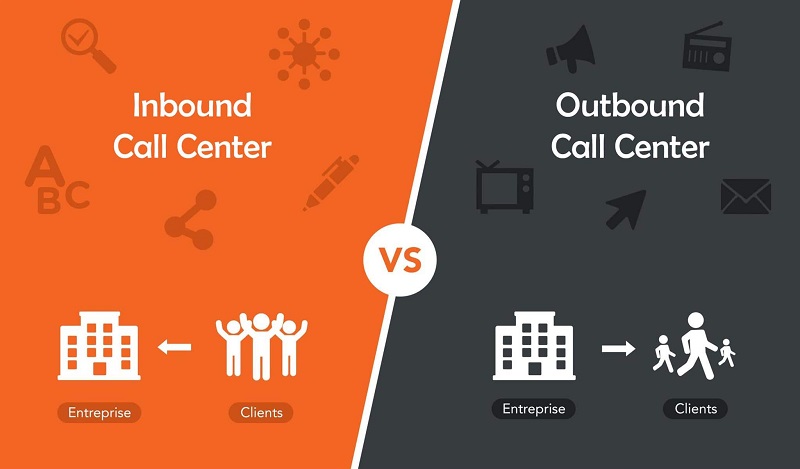
Receiving calls from clients that were started by them, often in response to advertising campaigns, is known as inbound telemarketing. This might include replying to emails with promotions, social media advertisements, or TV commercials. The main advantage of inbound telemarketing is that it generates leads with pre-existing interest in the company, which raises conversion rates. Calling prospects are usually more interested, often seeking more details or prepared to buy. The direct marketing inbound telemarketing merchants work perfect there.

Examining Telemarketing Through Outbound

Conversely, outbound telemarketing entails companies making first contact with prospective clients, often using lists that they have acquired or aggregated from many sources. One useful strategy for reaching potential new clients who may not have shown interest at first is outbound telemarketing. This method enables retailers to reach a wider audience by introducing their goods and services via proactive interaction.

Analyzing Benefits and Drawbacks

Businesses should take into account a number of criteria when determining whether inbound or outbound telemarketing is more viable. Because inbound telemarketing is responsive and creates a more individualized relationship with clients, it usually results in increased customer satisfaction and loyalty. Also, when interested prospects are phoning in, it often costs less because there are less customer acquisition expenses.

When It Comes to Inbound Telemarketing

For direct marketing retailers, inbound telemarketing consistently seems to be the best option. For instance, incoming calls will probably result in greater purchase rates if a company has built a strong brand presence and is doing focused promotions that successfully draw in customers. Additionally, companies that prioritize relationship- and customer-building will profit from the organic connection made on incoming calls. Furthermore, inbound telemarketing fits in better with consumer preferences during uncertain economic times or when consumers are more conscious of their privacy. Instead of receiving unwanted sales pitches, customers are increasingly looking more individualized encounters.

Choosing Wisely

The decision between inbound and outbound telemarketing ultimately comes down to the particular objectives, available resources, and clientele of a merchant. Inbound telemarketing continuously shows greater engagement levels and customer happiness, however outbound telemarketing may be helpful for reaching a wider audience and providing new offers. Merchants may better plan their direct marketing campaigns to build closer relationships with their clients and increase sales by being aware of these subtleties.

Starting a dropshipping business can be a game-changer for aspiring entrepreneurs looking to dive into the world of eCommerce without the hassle of managing inventory. With the dropshipping model, you can sell products directly to customers without ever handling the stock yourself. This business model has gained immense popularity due to its low startup costs and scalability. However, navigating the dropshipping landscape can be daunting, especially with the plethora of courses available. That’s why I’ve put together this guide on the 9 Best Dropshipping Courses. Whether you’re a complete beginner or looking to refine your skills, these courses offer valuable insights and practical strategies to help you succeed.

1. eCom Babes by Cortney Fletcher

eCom Babes is an online course created by Cortney Fletcher aimed at helping women start and grow their own eCommerce businesses. The program focuses on dropshipping and uses a method called “Connective eCommerce” which combines elements of dropshipping and affiliate marketing. The course is structured as a 6-week program covering topics like mindset, eCommerce foundations, store setup, social media marketing, and scaling strategies.

Pros

  • Comprehensive curriculum covering multiple aspects of eCommerce
  • Focuses on low-cost startup methods
  • Includes weekly support calls and an active Facebook community
  • Tailored specifically for female entrepreneurs
  • Teaches both free and paid traffic generation methods

Cons

  • Relatively expensive compared to some other courses
  • Limited information available about the founder online
  • Primarily targets women, which may not appeal to all potential students
  • No clear refund policy stated

Price

The eCom Babes course costs $2,000 USD.

2. The Dropshipping Course by James Johnson

The Dropshipping Course by James Johnson is a comprehensive, free online program designed to guide aspiring entrepreneurs through the process of launching and scaling a successful dropshipping business. Created by James Johnson, a successful e-commerce entrepreneur, the course covers eight essential modules:
  1. Niche Selection
  2. Market Research
  3. Creating Your Store
  4. Getting Suppliers
  5. Optimization for Conversions
  6. Driving Traffic
  7. Automation and Outsourcing
  8. Scaling Your Store
Each module is packed with actionable insights and practical tips, making it suitable for both beginners and experienced e-commerce store owners looking to optimize their operations.

Pros

  1. Comprehensive curriculum: The course covers all aspects of dropshipping, from niche selection to scaling strategies.
  2. Free access: The entire course is available at no cost, making it accessible to anyone interested in dropshipping.
  3. Experienced instructor: James Johnson has a proven track record in e-commerce, having built a million-dollar dropshipping business.
  4. Practical, actionable content: The course focuses on providing implementable strategies and techniques.
  5. Community support: Students can engage with a community of fellow learners for additional support and networking opportunities.
  6. Bonus content: The course includes case studies, expert interviews, and updates on the latest e-commerce trends.

Cons

  1. Limited personalization: As a free course, it may not address individual business needs as thoroughly as personalized coaching would.
  2. Potential upsell: While the course is free, there’s a paid coaching program offered, which some users might find pressuring.
  3. Self-paced learning: Some learners might struggle with the lack of structured deadlines or live instruction.
  4. No certification: The course doesn’t appear to offer any formal certification upon completion.

Price

The Dropshipping Course by James Johnson is completely free. However, for those seeking more personalized guidance, James offers a separate 1-on-1 dropshipping coaching program with the following pricing options:
  • One-Off Consult: $500
  • Recurring Monthly Consults: $1000 per month
  • 3-Month Intensive Pack: $2500

3. Dropship Lifestyle by Anton Kraly

Dropship Lifestyle is a comprehensive dropshipping course created by Anton Kraly. It teaches students how to build a profitable dropshipping business using high-ticket products. The course covers everything from niche selection and store setup to marketing and scaling strategies. It also includes access to a supplier directory and a supportive community.

Pros

  • Comprehensive curriculum covering all aspects of dropshipping
  • Focus on high-ticket items for potentially higher profit margins
  • Includes access to a curated supplier directory
  • Regular updates to keep content current
  • Active community and coaching calls for support

Cons

  • Higher price point compared to some other dropshipping courses
  • May be overwhelming for complete beginners
  • Success not guaranteed and requires significant effort

Price

The Dropship Lifestyle course typically costs around $2,997 for the standard version, with occasional discounts or premium versions available at different price points.

4. The eCom Elites by Franklin Hatchett

The eCom Elites course, created by Franklin Hatchett, is a comprehensive training program designed to help individuals start and grow a successful dropshipping business using Shopify. The course covers a wide range of topics, including product research, store setup, Facebook ads, email marketing, and more. Franklin Hatchett, a seasoned eCommerce entrepreneur, provides in-depth training through over 200 videos, ensuring that beginners can follow along and implement the strategies effectively.

Pros

  • Comprehensive Content: The course includes over 200 videos covering all aspects of dropshipping and Shopify, making it suitable for beginners.
  • Affordable Pricing: Compared to other dropshipping courses, eCom Elites is reasonably priced, with options ranging from $197 to $297.
  • Experienced Instructor: Franklin Hatchett has a proven track record in eCommerce, adding credibility to the course content.
  • Active Community Support: The course includes access to a private Facebook group where Franklin and other members provide ongoing support and mentorship.
  • Extensive Facebook Ads Training: The course offers around 30 videos dedicated to Facebook ads, a crucial component for driving traffic and sales.

Cons

  • Focus on Overseas Products: The course primarily teaches dropshipping with overseas suppliers, which can lead to longer shipping times and potential customer dissatisfaction.
  • Requires Additional Tools: To fully implement the strategies taught in the course, learners may need to invest in additional tools and software, such as Shopify and advertising platforms4.

Price

The eCom Elites course is available in two versions:
  • Standard Version: $197
  • Ultimate Version: $297 (includes additional modules on sales funnels, Google Shopping, etc.)

5. Create a Profitable Online Store by Steve Chou

Create a Profitable Online Store by Steve Chou is a comprehensive course designed to help individuals build and grow a successful eCommerce business. Steve Chou, an experienced eCommerce entrepreneur, shares his knowledge and strategies through detailed video lessons, covering topics such as niche selection, website setup, traffic generation, and conversion optimization. The course is suitable for both beginners and experienced entrepreneurs looking to improve their eCommerce skills.

Pros

  • Proven Track Record: Steve Chou has successfully built multiple eCommerce businesses, lending credibility to his teachings.
  • In-Depth Content: The course covers all essential aspects of building and running an online store, from niche selection to advanced marketing strategies.
  • Lifetime Access: Enrollees get lifetime access to the course materials, including updates and new content.
  • Community Support: The course includes access to a private Facebook group where members can ask questions and share insights.
  • Practical Assignments: The course includes practical assignments and action steps to help learners implement the strategies effectively.

Cons

  • Higher Price Point: The course is more expensive compared to some other eCommerce courses, which might be a barrier for some individuals.
  • Time-Intensive: The comprehensive nature of the course means that it requires a significant time commitment to go through all the materials and implement the strategies.

Price

The Create a Profitable Online Store course by Steve Chou is priced at $1,497. This includes lifetime access to all course materials, updates, and access to the private Facebook group.

6. Ecommerce Empire Builders by Peter Pru

Ecommerce Empire Builders is a comprehensive dropshipping course created by Peter Pru, a successful ecommerce entrepreneur. The program focuses on teaching students how to build and scale their dropshipping businesses using sales funnels. Peter Pru emphasizes the use of ClickFunnels software and provides step-by-step guidance on creating effective sales funnels for dropshipping products1.

Pros

  • Comprehensive training on sales funnel strategies for dropshipping
  • Access to an exclusive Facebook community for support
  • Regular live streams and Q&A sessions with Peter Pru
  • Includes done-for-you funnel templates
  • Money-back guarantee offered (with conditions)

Cons

  • Relatively expensive compared to some other dropshipping courses
  • Heavy focus on ClickFunnels, which may not suit all business models
  • Some students report issues with customer support
  • Refund policy requires completing assignments before consideration

Price

The Ecommerce Empire Academy, which is the main course offering, is priced at $997.

7. 0-100K System by Alison Prince

The 0-100K System is a dropshipping course created by Alison Prince, an experienced ecommerce entrepreneur. The program is designed to help beginners start and grow their dropshipping businesses, with a focus on reaching $100,000 in sales.

Pros

  • Suitable for complete beginners in dropshipping
  • Step-by-step guidance on setting up and scaling a dropshipping business
  • Includes strategies for product selection and marketing
  • Access to a supportive community of fellow entrepreneurs

Cons

  • Less emphasis on advanced techniques compared to some other courses
  • May not be as comprehensive for those seeking very advanced strategies

Price

The 0-100K System is priced at $997. There are also payment plans available, such as six monthly installments of $299 or financing via PayPal with zero interest for six equal monthly payments.

8. Ecom Warrior Academy by Matthew Lepre

Ecom Warrior Academy is an online dropshipping course created by Matthew Lepre, a successful entrepreneur known for his expertise in eCommerce. The course is designed to help individuals build and scale profitable online stores using the dropshipping model. It includes comprehensive training on various aspects of eCommerce, such as product research, store setup, marketing strategies, and leveraging AI tools to optimize operations. The program also offers one-on-one and group coaching sessions, along with access to a private network of eCommerce professionals.

Pros

  • Comprehensive Curriculum: The course covers everything from the basics of dropshipping to advanced marketing techniques, making it suitable for both beginners and those with some experience.
  • Personalized Support: Students receive one-on-one mentoring and coaching calls, which can be incredibly valuable for personalized guidance and support.
  • Community Access: Enrollees gain access to a private network of eCommerce professionals, fostering a sense of community and enabling knowledge sharing.
  • Use of AI Tools: The course includes training on how to use AI tools to reduce costs and increase profits, which is a unique feature compared to other dropshipping courses.

Cons

  • High Cost: The course is relatively expensive, with the Diamond Level package costing $5,000 AUD and the Gold Level package at $1,497 AUD.
  • Mixed Reviews on Support: While some students praise the support, others have reported issues with the responsiveness and helpfulness of the team after the initial setup.
  • Sales Tactics: There have been complaints about pushy sales representatives and issues with the refund policy not being honored.

Price

  • Diamond Level Package: $5,000 AUD
  • Gold Level Package: $1,497 AUD

9. Ecom Revolution by Sebastian Esqueda

Ecom Revolution is a dropshipping course created by Sebastian Esqueda, aimed at helping individuals start and grow their own eCommerce businesses. The course provides step-by-step guidance on setting up an online store, selecting profitable products, and implementing effective marketing strategies. It also includes modules on scaling the business and automating various processes to achieve sustainable growth.

Pros

  • Step-by-Step Guidance: The course offers detailed instructions on each step of the dropshipping process, making it accessible for beginners.
  • Focus on Automation: Emphasis on automating business processes to save time and effort, which can be beneficial for long-term sustainability.
  • Scalability: The course includes strategies for scaling the business, which is crucial for achieving significant growth and profitability.

Cons

  • Limited Advanced Content: While the course is great for beginners, it may lack depth in more advanced topics, which could be a drawback for experienced dropshippers.
  • Less Personalized Support: Compared to some other courses, Ecom Revolution may offer less personalized mentoring and support, which could be a disadvantage for those needing more hands-on guidance.
  • Market Saturation: The strategies taught in the course may be widely used, leading to increased competition and market saturation.

Price

The entire program costs $1,997.

In today’s fast-paced world of commerce, distribution centers play a crucial role in the supply chain. These facilities serve as the backbone of efficient product movement, from manufacturers to retailers and ultimately to consumers. Designing an effective distribution center requires careful planning, expertise, and a deep understanding of logistics processes.

Key Elements of Distribution Center Design

Layout and Flow

The layout of a distribution center is paramount to its efficiency. A well-designed floor plan optimizes the flow of goods, minimizing travel time and reducing the risk of bottlenecks. Distribution center architect Stendel + Reich and other experts in the field focus on creating layouts that facilitate smooth operations from receiving to shipping.

Storage Systems

Choosing the right storage systems is critical for maximizing space utilization and improving order fulfillment speed. Options include:

  1. Pallet racking
  2. Mezzanines
  3. Automated storage and retrieval systems (AS/RS)
  4. Carousels and vertical lift modules

The selection depends on factors such as product types, inventory turnover, and required picking speeds.

Material Handling Equipment

Efficient movement of goods within the facility relies on appropriate material handling equipment. This may include:

  • Forklifts
  • Conveyors
  • Automated guided vehicles (AGVs)
  • Robotic systems

The choice of equipment should align with the storage systems and overall layout design.

Importance of Efficient Distribution Center Design

Cost Reduction

A well-designed distribution center can significantly reduce operational costs. By optimizing space utilization and improving process efficiency, companies can lower labor costs, minimize inventory holding costs, and reduce energy consumption.

Improved Order Fulfillment

Efficient design leads to faster and more accurate order processing. This results in improved customer satisfaction and can give businesses a competitive edge in the market.

Scalability

A thoughtfully designed distribution center should accommodate future growth. Flexible layouts and modular systems allow for easy expansion or reconfiguration as business needs evolve.

Design Considerations for Modern Distribution Centers

Automation Integration

As technology advances, integrating automation into distribution center design becomes increasingly important. This may include automated sorting systems, robotic picking, and AI-driven inventory management.

Sustainability

Modern distribution centers often incorporate sustainable design elements, such as energy-efficient lighting, solar panels, and water conservation systems. These features not only reduce environmental impact but can also lead to long-term cost savings.

Employee Comfort and Safety

Designing with employee well-being in mind is crucial. This includes ergonomic workstations, adequate lighting, climate control, and clear traffic lanes for both pedestrians and equipment.

Technology Infrastructure

A robust IT infrastructure is essential for modern distribution centers. This includes wireless networks, real-time inventory tracking systems, and integration with warehouse management software (WMS).

The Role of Specialized Architects

Designing an efficient distribution center requires specialized knowledge and experience. Firms like Stendel + Reich bring expertise in logistics processes, building codes, and industry best practices to the table. These architects work closely with clients to understand their specific needs and create custom solutions that optimize operations.

Conclusion

Mastering the distribution center blueprint is a complex but crucial task in today’s competitive business landscape. By focusing on efficient layout, appropriate storage and handling systems, and forward-thinking design considerations, companies can create distribution centers that not only meet current needs but are also prepared for future challenges. Working with experienced architects and planners is key to achieving a design that maximizes efficiency, reduces costs, and supports long-term business growth.

In Texas, as a non-subscriber, exploring workers’ compensation options demands a strategic approach. Occupational accident plans and private benefit plans offer customized coverage, but beware of exclusions like pre-existing conditions or self-inflicted injuries. Employer liability coverage lets you tailor protection for your specific needs, managing financial obligations effectively. Third-party administrator services streamline claims and compliance, reducing the financial impact. Legal considerations are essential; non-compliance can lead to hefty consequences. Implementing safety protocols and seeking legal guidance are vital steps. Make sure you understand these options fully to safeguard employees and your business.

Texas Non-Subscriber Occupational Accident Plans

If you choose not to subscribe to workers’ compensation in Texas, you can consider Texas Non-Subscriber Occupational Accident Plans to provide coverage for workplace injuries. These plans offer customizable options tailored to your specific needs.

However, it’s important to understand the coverage exclusions that may apply. Common exclusions in these plans may include pre-existing conditions, self-inflicted injuries, and injuries resulting from drug or alcohol use.

Private Occupational Injury Benefit Plans

Consider exploring Private Occupational Injury Benefit Plans as a robust alternative to traditional workers’ compensation coverage in Texas. These plans offer flexibility in benefit exclusions and coverage limitations, allowing employers to tailor coverage to their specific needs.

Plan customization is a key feature, enabling employers to design a benefits package that aligns with their budget and risk tolerance. Moreover, involving employees in the process can lead to increased engagement and satisfaction with the benefits provided.

Employer Liability Coverage Options

When exploring employer liability coverage options in Texas, it’s essential to understand the nuances of each plan to make an informed decision that aligns with your company’s risk management strategy.

Customized coverage options allow you to tailor the protection to fit your specific needs, ensuring that you have the right level of coverage for your employees.

By choosing cost-effective solutions, you can manage your financial obligations while still providing adequate protection for your workers. These options can help mitigate potential legal risks and financial burdens associated with workplace injuries.

Carefully evaluating the available plans and selecting the most suitable one for your business can lead to a more secure and efficient work environment.

Third-Party Administrator Services for Non-Subscribers

To enhance your understanding of workers’ compensation options as a non-subscriber in Texas, it’s vital to evaluate the benefits of utilizing Third-Party Administrator services for efficient claims management and compliance.

Third-Party Administrators (TPAs) play an essential role in handling claims management processes effectively. TPAs can assist in streamlining the claims process, guaranteeing timely communication with all parties involved, and maintaining compliance with regulatory requirements.

By outsourcing claims management to a TPA, you can focus on your core business activities while experts handle the complexities of workers’ compensation claims. Moreover, TPAs specialize in risk mitigation strategies, which can help reduce the financial impact of workplace injuries and legal disputes.

Leveraging TPA services can improve efficiency, reduce costs, and ensure compliance with legal obligations.

Legal Considerations for Non-Subscribers

Legal compliance is vital for non-subscribers in Texas when maneuvering through the intricacies of workers’ compensation regulations. Failing to adhere to the legal implications can have severe financial implications for companies operating without workers’ compensation insurance. Non-subscribers must carefully consider risk management strategies to mitigate potential liabilities in the event of workplace injuries.

Understanding compliance requirements is essential to avoid legal repercussions and financial burdens. Implementing robust safety protocols, providing adequate training, and maintaining detailed records are essential components of effective risk management for non-subscribers.

Seeking legal guidance to navigate the complex legal landscape surrounding workers’ compensation in Texas can help non-subscribers proactively address potential issues and safeguard their businesses from costly legal disputes.

Conclusion

To sum up, when considering workers’ compensation options as a non-subscriber in Texas, it’s important to explore all available resources and choose the best fit for your company.

Just like a skilled craftsman selects the perfect tool for the job, selecting the right coverage and services can safeguard your business and employees in case of occupational accidents.

Make informed decisions and prioritize the well-being of your workforce to guarantee a successful and secure future.

As an expatriate in Singapore, you’re likely familiar with the allure of foreign loan Singapore, promising financial support when traditional banking services fall short. However, before diving into these seemingly convenient solutions, it’s essential to peel back the layers and understand the nuances that often go unexamined.

Questioning the Status Quo: Foreigner Loans Unpacked

Foreigner loans are tailored for non-residents, offering financial assistance that traditional banks may not readily provide. But are they truly the beacon of hope they’re marketed to be?

– Accessibility:

While marketed as accessible, foreign loans can sometimes come with hidden fees and stringent terms that may not be immediately apparent.

– Flexible Repayment:

While flexibility is advertised, the reality can be quite different, with some lenders imposing rigid repayment structures that may not align with your financial circumstances.

– Quick Approval:

Speedy approval processes are touted, but the fine print often reveals high interest rates and unfavorable terms that can lead to long-term financial strain.

Scrutinizing the Sources: Where Do You Turn?

When it comes to sourcing a foreign loan, it’s crucial to weigh your options carefully:

1. Licensed Moneylenders

Licensed moneylenders like CashMax Credit may offer speed and convenience, but their high interest rates and strict repayment terms can quickly turn a financial lifeline into a burden.

2. Banks

While banks provide a sense of security, their stringent eligibility criteria and complex application processes can often deter expatriates seeking financial assistance.

Navigating the Path to Financial Assistance

If you’re considering a foreign loan in Singapore, here are some key steps to keep in mind:

1. Assess Your Financial Needs

– Carefully evaluate the exact amount you need to borrow and your ability to repay it comfortably.

2. Research and Compare Lenders

– Look beyond the surface and compare interest rates, repayment terms, and customer reviews to make an informed decision.

3. Prepare Thoroughly

– Ensure you have all necessary documentation, including proof of identity and income, to streamline the application process.

4. Proceed with Caution

– Read the terms and conditions carefully before signing any agreement, and seek clarity on any points that seem unclear.

Real-Life Scenarios: The Unspoken Realities of Foreigner Loans

Consider these scenarios that shed light on the less-discussed aspects of foreign loans:

David’s Dilemma:

Despite needing immediate funds for a medical emergency, David found himself trapped in a cycle of debt due to exorbitant interest rates and inflexible repayment terms from a licensed moneylender.

Sophie’s Struggle:

Sophie, seeking financial assistance for her child’s education, was initially drawn to the quick approval process of a foreign loan. However, she soon discovered hidden fees and escalating interest rates that left her in a precarious financial situation.

Critical Considerations for Borrowers

– Interest Rates:

Look beyond the initial offer and consider the long-term implications of high interest rates.

– Repayment Terms:

Ensure the repayment structure aligns with your financial capabilities to avoid falling into a debt trap.

– Lender Credibility: Borrow from reputable lenders with transparent terms to avoid unexpected surprises down the line.

In Conclusion: A Call for Informed Decision-Making

While foreign loan Singapore may seem like a convenient solution, it’s crucial to approach them with a critical eye. By understanding the complexities and potential pitfalls, you can make informed decisions that protect your financial well-being during your stay in Singapore. Challenge the norm, question the status quo, and navigate the path to financial assistance with clarity and caution.

The location of your warehouse has an impact on everything from your capacity to transport items on time to your ability to hire skilled labor. This is true regardless of whether you plan to build, lease, or manage your warehouse in-house or uses a third party. Because of this, you need to choose the site of your warehouse with consideration for all aspects.

Clientele

The location of your customer is the first thing you should consider when choosing the location of your warehouse for rent Bang Na (โกดังให้เช่า บางนา ตราด, this is the term in Thai). You will probably only need one strategically placed warehouse if that is where the majority of your clients are located. However, having several facilities spread out around the nation in close proximity to important transportation hubs makes sense if your service is available throughout the country. 

The rising expectations of consumers for delivery have made it easier to meet this need and offer faster, more economical shipping if your warehouse, or warehouses, are located close to your customer base. 

Network of suppliers

The location of suppliers should be the following question to ask after identifying the location of your consumer base. When choosing a warehouse, proximity to suppliers should be taken into consideration. This is because being near your suppliers lowers the risk of potential disruptions for items in transit and lowers the cost of carrying inventory and transportation. This is applicable to both local and foreign vendors.

Close to transportation 

Customer expectations for delivery are at an all-time high. Selecting a warehouse site that is close to transportation carrier services is one of the finest methods to maximize client satisfaction. If your principal means of import and export is the ocean, selecting a warehouse location close to a port will help you move more containers in a shorter amount of time and save drayage costs. How close your warehouses must be to parcel hubs should be largely determined by your eCommerce fulfilment requirements. 

Alternatively, you might want to think about which carriers have terminals close to your warehouse if you are on major last-mile delivery services since this can enhance the quality of service you receive. 

If you cannot find a warehouse near an intermodal hub or your main means of transportation, you should search for a location with easy access to major roads for a more direct link. Choose a warehouse location that is as close to suppliers, carriers, and customers as possible. 

Availability and expandability of the building

This one may seem simple, but it is still important to note that if there are no warehouses available, you cannot reach a certain area. Beyond only helping you choose a location right away, building availability might impact your ability to grow your company over time.

If your activities double in a few years and you need more warehouse space to handle your expanding company, the only issue will be the lack of available spaces in a competitive neighborhood. All of this is not intended to discourage you from selecting a warehouse in a market that is competitive; ultimately, you must act in the best interests of your company. On the contrary, it ought to promote considering the wider picture while choosing a warehouse location.