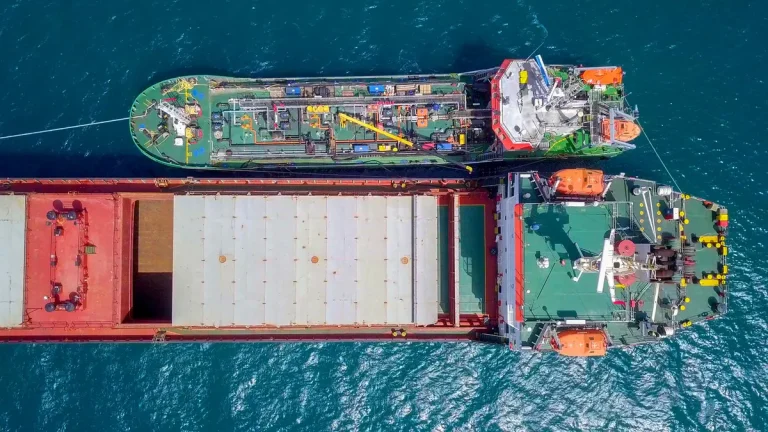
Fuel management is one of the most significant operational factors in the maritime industry. Ships rely on large quantities of fuel to operate efficiently, and even small discrepancies in fuel quality or quantity can result in financial losses, operational delays, or engine damage. This is why bunker surveys play a vital role in shipping operations, helping ensure transparency, accuracy, and compliance during fuel transactions.
A bunker survey is a specialized inspection process that verifies the quantity and quality of fuel delivered to a vessel. It serves as a safeguard for shipowners, charterers, and operators by reducing the risk of disputes and ensuring proper documentation.
Understanding the Purpose of a Bunker Survey
When fuel is transferred from a supplier to a vessel, there are several variables that can affect the final amount received. Measurement errors, contamination, temperature variations, or procedural inconsistencies may create discrepancies between the delivered and recorded quantities.
A bunker survey involves independent verification before, during, and after the fuel transfer process. Surveyors measure fuel tanks, monitor transfer procedures, and collect samples to confirm compliance with specifications. This process ensures that the receiving party obtains exactly what was agreed upon.
Accurate verification protects both financial interests and operational reliability.
The Importance of Fuel Quality Assurance
Fuel quality is just as important as quantity. Poor-quality fuel can cause engine inefficiency, increased maintenance costs, or even mechanical failures. Contaminants such as water, sediments, or incompatible fuel blends may lead to serious operational issues.
Bunker surveys include sampling procedures that allow laboratory testing of fuel characteristics. These tests confirm whether the fuel meets industry standards and contractual specifications.
Ensuring fuel quality reduces the risk of downtime and helps maintain vessel performance.
Preventing Disputes in Maritime Transactions
Fuel transactions often involve multiple parties, including suppliers, ship operators, and charterers. Without independent verification, disagreements may arise regarding quantity shortages or quality concerns.
Bunker surveys provide documented evidence that supports transparency. Measurements, observations, and test results are recorded professionally, creating a reliable reference in case disputes occur.
This independent documentation helps maintain trust between parties and supports smooth business relationships.
Regulatory Compliance and Industry Standards
The maritime industry operates under strict environmental and safety regulations. Fuel quality and handling procedures must meet international standards to ensure compliance with emission requirements and operational safety.
Bunker surveys help confirm that fuel transactions align with regulatory guidelines. Surveyors are trained to recognize procedural deviations and ensure that industry best practices are followed throughout the transfer process.
Compliance not only protects the environment but also prevents penalties and operational interruptions.
The Role of Professional Surveyors
Conducting a bunker survey requires specialized knowledge and technical expertise. Surveyors must understand fuel measurement techniques, tank calibration, sampling methods, and safety protocols. They also need to interpret data accurately and provide clear reports.
Professional survey companies use standardized procedures and calibrated equipment to ensure precise results. Their independence from suppliers and ship operators strengthens the credibility of the findings.
For maritime stakeholders seeking reliable verification services, Sea Sob bunker survey provides expertise focused on accurate fuel measurement and quality assurance during bunkering operations.
Working with experienced surveyors helps reduce risks and improve operational confidence.
Financial and Operational Benefits
Accurate bunker surveys contribute directly to cost control. Even minor discrepancies in fuel quantity can translate into significant financial losses when dealing with large volumes. Verification ensures that payments reflect the actual fuel received.
Operationally, quality assurance reduces the likelihood of engine problems and unexpected maintenance. Reliable fuel performance supports schedule adherence and improves efficiency across voyages.
These benefits make bunker surveys an essential part of responsible maritime management.
The Future of Fuel Monitoring in Shipping
As the shipping industry evolves toward cleaner fuels and stricter environmental regulations, the importance of accurate fuel monitoring will continue to grow. New fuel types require even greater attention to compatibility and handling procedures.
Bunker surveys will remain a critical tool for ensuring safe transitions and maintaining operational standards. Technology may enhance measurement accuracy, but independent verification will always play a central role.
Final Thoughts
Bunker surveys are essential for maintaining transparency, safety, and efficiency in maritime fuel transactions. By verifying both quantity and quality, they protect financial interests and support reliable vessel operations.
Partnering with experienced survey professionals ensures that fuel management processes remain accurate and compliant. In an industry where precision matters, bunker surveys provide the confidence needed for successful maritime operations.