
Sifting through racks of shiny drills and the promise of “professional-grade” performance can get overwhelming fast, especially when your budget is top of mind. Yet, sacrificing quality for price often leads to disappointment, costly replacements, and unfinished projects. Striking the right balance between cost and quality is the real secret to building a power tool collection that lasts without breaking the bank.
What Should I Consider Before Buying Power Tools for Home Use?
Before diving into brands and deals, take a pause and assess your true needs. Are you looking to hang a few shelves, renovate a bathroom, or tackle major home renovations? Occasional DIYers might only need a handful of basic tools, while passionate hobbyists should invest in more robust equipment.
Understanding the tool categories helps narrow your choices. Drills, saws, sanders, and grinders each serve specific roles, but not every homeowner needs them all at once. Evaluating which projects are on your horizon will prevent you from overspending on tools that gather dust in the garage.
Budget comes next. Set a realistic upper limit for your power tool purchases and stick to it. Remember that the cheapest option on the shelf may not always be the best long-term value.
How Do I Balance Cost and Quality in Power Tools?
Durability and price often go hand in hand. Cheaper tools may save you money up front but can fail when you need them most. On the flip side, professional-grade models carry a higher price tag, but their robust construction can handle tougher jobs and frequent use.
Brand reputation is worth noting. Companies with strong track records, like Dewalt and Milwaukee, usually back their products with solid warranties and responsive customer support. For many, that peace of mind justifies a small premium.
When choosing between professional and consumer-grade tools, weigh the frequency of use. If you only need a drill for an occasional repair, mid-range consumer models suffice. For intensive projects or repeat tasks, professional-grade tools often repay their higher cost in longevity and reliability.
Which Power Tools Are Essential for Most Home Projects?
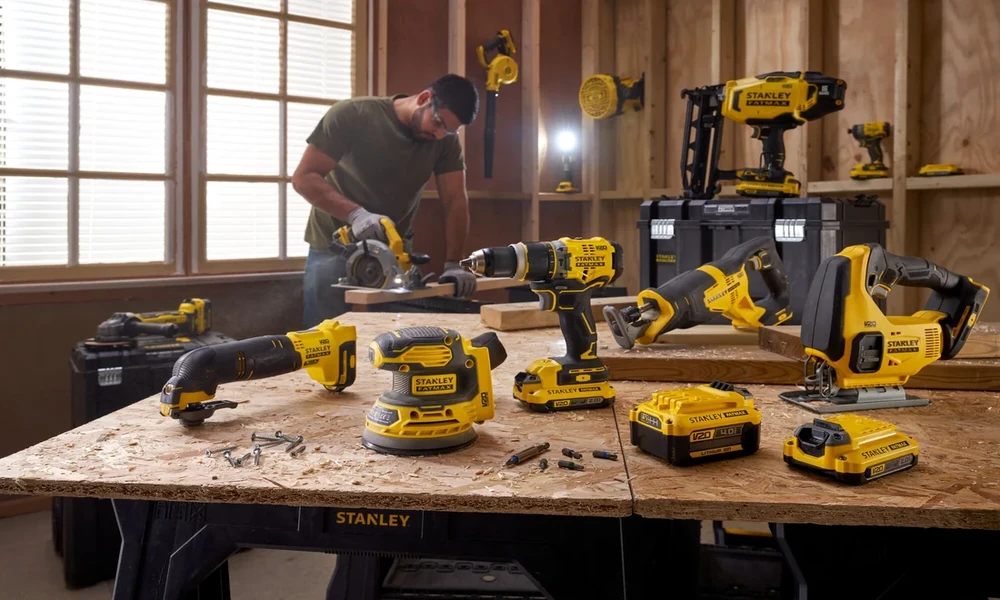
Most homeowners get by with a shortlist of essentials: a cordless drill, a circular saw, an orbital sander, and a jigsaw. These cover everything from basic repairs to light construction. Specialty tools, like rotary hammers or drywall screw guns, are best considered when you regularly tackle specific jobs.
Combo sets can be a smart way to save. Bundling a drill, impact driver, and batteries frequently costs less than buying each separately and ensures tool compatibility.
How Do Corded and Cordless Power Tools Compare?
Cordless tools dominate for convenience, offering portability and freedom from tangled cords. However, they depend on battery life, which can range from 20 minutes to several hours depending on usage and model. Replacement batteries add to long-term costs.
Corded tools remain relevant for projects requiring continuous power, such as sanding floors or cutting large quantities of wood. They sacrifice portability but deliver consistent performance without recharge breaks.
Where Can I Find the Best Deals on Power Tools in Canada?
Online retailers are increasingly a go-to source, offering a broader selection and frequent promotions compared to brick-and-mortar stores. Seasonal sales, like Black Friday or spring tool events, are prime opportunities to snag discounts.
For example, many savvy buyers monitor sites for GSM Depot power tool deals, where a wide range of brands and models are available, often at reduced prices. Free shipping on orders over a set threshold and hassle-free returns further tip the scales in favor of online shopping.
What Features Should I Prioritize for Home-Use Power Tools?
Power and performance matter, but ergonomic design is just as important. Tools that fit well in your hand reduce fatigue and boost accuracy. Variable speed controls, LED work lights, and quick-change chucks also enhance usability.
Safety features, like blade guards, lock-off switches, and overload protection, should never be overlooked. Accessories and compatibility with future purchases are worth a glance, too.
How Can I Maintain My Power Tools to Maximize Longevity?
Routine cleaning, dust removal, and lubrication extend tool life. Inspect power cords, battery contacts, and moving parts regularly for signs of wear. Proper storage, whether in cases or on tool racks, helps prevent damage and corrosion.
If a tool stalls or overheats, consult the manual before attempting repairs. Most minor issues can be resolved with basic troubleshooting or affordable replacement parts.
When Is It Worth Spending More on Power Tools?
Some tools justify a higher upfront investment, think cordless drills, impact drivers, or saws you’ll use often. These see the most wear and directly affect work quality and safety. While the initial expense may sting, better tools often last years longer and perform more reliably, saving you money and frustration in the long run.
Ultimately, every smart purchase is a blend of research, self-knowledge, and a clear-eyed look at which features actually matter for your home projects. The right balance between cost and quality means more successful projects, and fewer regrets along the way.

Comments are closed.