
Tag

Your budget

Browsing

Sifting through racks of shiny drills and the promise of “professional-grade” performance can get overwhelming fast, especially when your budget is top of mind. Yet, sacrificing quality for price often leads to disappointment, costly replacements, and unfinished projects. Striking the right balance between cost and quality is the real secret to building a power tool collection that lasts without breaking the bank.

What Should I Consider Before Buying Power Tools for Home Use?

Before diving into brands and deals, take a pause and assess your true needs. Are you looking to hang a few shelves, renovate a bathroom, or tackle major home renovations? Occasional DIYers might only need a handful of basic tools, while passionate hobbyists should invest in more robust equipment.

Understanding the tool categories helps narrow your choices. Drills, saws, sanders, and grinders each serve specific roles, but not every homeowner needs them all at once. Evaluating which projects are on your horizon will prevent you from overspending on tools that gather dust in the garage.

Budget comes next. Set a realistic upper limit for your power tool purchases and stick to it. Remember that the cheapest option on the shelf may not always be the best long-term value.

How Do I Balance Cost and Quality in Power Tools?

Durability and price often go hand in hand. Cheaper tools may save you money up front but can fail when you need them most. On the flip side, professional-grade models carry a higher price tag, but their robust construction can handle tougher jobs and frequent use.

Brand reputation is worth noting. Companies with strong track records, like Dewalt and Milwaukee, usually back their products with solid warranties and responsive customer support. For many, that peace of mind justifies a small premium.

When choosing between professional and consumer-grade tools, weigh the frequency of use. If you only need a drill for an occasional repair, mid-range consumer models suffice. For intensive projects or repeat tasks, professional-grade tools often repay their higher cost in longevity and reliability.

Which Power Tools Are Essential for Most Home Projects?

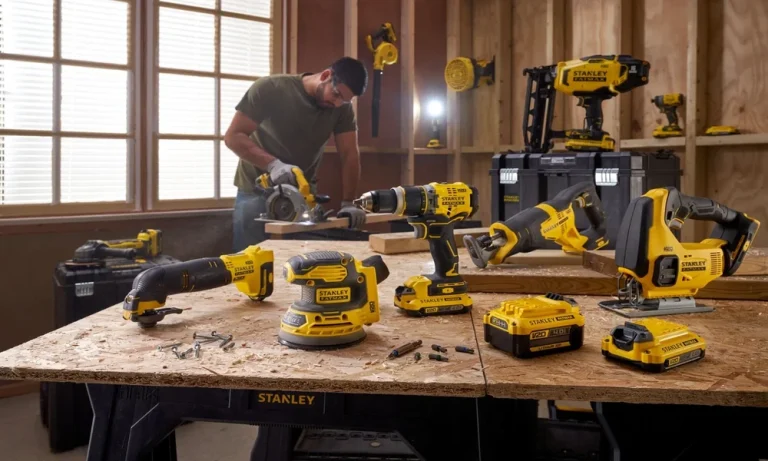
Most homeowners get by with a shortlist of essentials: a cordless drill, a circular saw, an orbital sander, and a jigsaw. These cover everything from basic repairs to light construction. Specialty tools, like rotary hammers or drywall screw guns, are best considered when you regularly tackle specific jobs.

Combo sets can be a smart way to save. Bundling a drill, impact driver, and batteries frequently costs less than buying each separately and ensures tool compatibility.

How Do Corded and Cordless Power Tools Compare?

Cordless tools dominate for convenience, offering portability and freedom from tangled cords. However, they depend on battery life, which can range from 20 minutes to several hours depending on usage and model. Replacement batteries add to long-term costs.

Corded tools remain relevant for projects requiring continuous power, such as sanding floors or cutting large quantities of wood. They sacrifice portability but deliver consistent performance without recharge breaks.

Where Can I Find the Best Deals on Power Tools in Canada?

Online retailers are increasingly a go-to source, offering a broader selection and frequent promotions compared to brick-and-mortar stores. Seasonal sales, like Black Friday or spring tool events, are prime opportunities to snag discounts.

For example, many savvy buyers monitor sites for GSM Depot power tool deals, where a wide range of brands and models are available, often at reduced prices. Free shipping on orders over a set threshold and hassle-free returns further tip the scales in favor of online shopping.

What Features Should I Prioritize for Home-Use Power Tools?

Power and performance matter, but ergonomic design is just as important. Tools that fit well in your hand reduce fatigue and boost accuracy. Variable speed controls, LED work lights, and quick-change chucks also enhance usability.

Safety features, like blade guards, lock-off switches, and overload protection, should never be overlooked. Accessories and compatibility with future purchases are worth a glance, too.

How Can I Maintain My Power Tools to Maximize Longevity?

Routine cleaning, dust removal, and lubrication extend tool life. Inspect power cords, battery contacts, and moving parts regularly for signs of wear. Proper storage, whether in cases or on tool racks, helps prevent damage and corrosion.

If a tool stalls or overheats, consult the manual before attempting repairs. Most minor issues can be resolved with basic troubleshooting or affordable replacement parts.

When Is It Worth Spending More on Power Tools?

Some tools justify a higher upfront investment, think cordless drills, impact drivers, or saws you’ll use often. These see the most wear and directly affect work quality and safety. While the initial expense may sting, better tools often last years longer and perform more reliably, saving you money and frustration in the long run.

Ultimately, every smart purchase is a blend of research, self-knowledge, and a clear-eyed look at which features actually matter for your home projects. The right balance between cost and quality means more successful projects, and fewer regrets along the way.
If you are searching for storage or workspace solutions in Bozeman, you already know the basics. What matters now is choosing the right container, the right size, and the right supplier. I have spent years studying how people make smart buying and rental decisions, and I focus on what actually works in real situations, not theory.

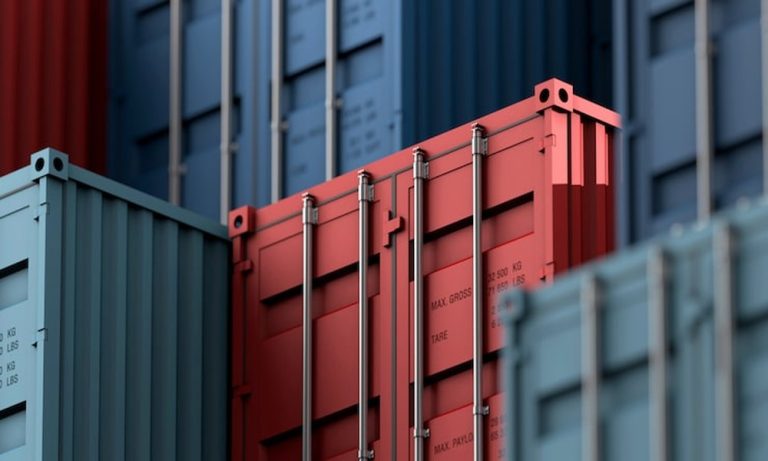
If you want to explore options like a 40 foot conex for sale, it helps to understand how size, condition, and use case all connect. I will walk you through how to think about renting, buying, and choosing a supplier in Bozeman so you can make a clear decision that fits your needs.

Why Shipping Containers Make Sense in Bozeman

Bozeman has a mix of residential growth, construction, and agricultural activity. That creates steady demand for secure and simple storage.

Here is why containers work well in this area:

  • Strong steel construction handles Montana weather
  • Fully lockable for security on job sites or private land
  • Easy to deliver and place on most properties
  • Flexible for both short-term and long-term use

I always tell people to think of containers as a practical tool, not a complex investment. You are solving a storage or space problem in the most direct way possible.

Renting vs Buying a Shipping Container

One of the first decisions you need to make is whether to rent or buy.

When Renting Makes More Sense

I recommend renting if your need is temporary or uncertain.

Common rental situations include:

  • Construction projects
  • Seasonal storage
  • Moving or home renovations
  • Short-term business overflow

A shipping container for rent gives you flexibility. You can keep it as long as needed and return it once the job is done.

When Buying Is the Better Option

Buying works best when you need long-term storage or want to reuse the container for other purposes.

You should consider buying if:

  • You need permanent on-site storage
  • You plan to modify the container into a workspace
  • You want to avoid ongoing rental costs
  • You may resell the unit later

I often suggest buying if your timeline goes beyond a year. At that point, ownership usually makes more financial sense.

Choosing Between 20 Foot and 40 Foot Containers

Size matters more than most people expect. Picking the wrong size can create space issues or wasted money.

20 Foot Conex for Sale

A 20 foot container is the most versatile option.

It works well if:

  • You have limited space for delivery
  • You need storage for tools, furniture, or equipment
  • You want easier placement on residential property

These containers are easier to handle and still provide solid capacity.

40 Foot Conex for Sale

A 40 foot container gives you double the storage.

It is a better fit if:

  • You have large equipment or inventory
  • You run a business or farm operation
  • You want to store everything in one unit

You will need more delivery space, but the added capacity often makes it worth it.

New vs Used Shipping Containers

Another key decision is whether to buy new or used.

New Containers

New or one-trip containers are in near-perfect condition.

You can expect:

  • Clean interior and exterior
  • Minimal wear
  • Strong seals and low rust

I recommend new units if appearance matters or if you plan to modify the container.

Used Containers

Used containers cost less and still perform well.

They may have:

  • Surface rust
  • Dents or faded paint
  • Cosmetic wear

What matters is structural integrity. A good used container should still be wind and watertight. For most storage needs, this is enough.

Where to Buy Used Shipping Containers in Bozeman

Not all suppliers offer the same level of quality or service. This is where many people make mistakes.

I suggest focusing on suppliers who:

  • Inspect their inventory
  • Offer both rental and purchase options
  • Provide delivery with proper equipment
  • Let you choose your exact unit

MoCan Containers stands out in Bozeman for these reasons. They maintain a large inventory and inspect each unit for durability and performance. That matters because you want a container that works on day one without issues.

They also allow you to select your specific container before delivery. That level of transparency helps you avoid surprises.

Renting a Conex Box in Bozeman

If you are planning to rent a conex box, keep the process simple.

Here is how I approach it:

  • Decide on size first
  • Confirm how long you need it
  • Check delivery space at your site
  • Choose a supplier with flexible terms

MoCan Containers offers both short-term and long-term rentals. Their pricing starts at reasonable monthly rates, and they handle delivery with tilt-bed trailers for accurate placement.

That kind of setup reduces stress during delivery.

Common Uses for Shipping Containers

You can use containers for more than basic storage. I have seen people apply them in many practical ways.

Some of the most common uses include:

  • Construction site storage
  • Agricultural storage for feed and tools
  • Residential storage during moves
  • Business inventory overflow
  • Workshops or small offices

If you plan to modify a container, starting with the right size and condition is critical.

Final Thoughts on Choosing the Right Container

The right decision comes down to three things:

I always advise people to keep it simple. Match the container to your actual use, not what you think you might need later.

If you need flexibility, rent a shipping container.
If you need long-term value, buy one.
If space is tight, choose a 20 foot unit.
If capacity matters most, go with a 40 foot container.

Suppliers like MoCan Containers make the process easier by offering solid inventory, clear options, and reliable delivery across Bozeman and surrounding areas.