
Tag

cleaning

Browsing

Sifting through racks of shiny drills and the promise of “professional-grade” performance can get overwhelming fast, especially when your budget is top of mind. Yet, sacrificing quality for price often leads to disappointment, costly replacements, and unfinished projects. Striking the right balance between cost and quality is the real secret to building a power tool collection that lasts without breaking the bank.

What Should I Consider Before Buying Power Tools for Home Use?

Before diving into brands and deals, take a pause and assess your true needs. Are you looking to hang a few shelves, renovate a bathroom, or tackle major home renovations? Occasional DIYers might only need a handful of basic tools, while passionate hobbyists should invest in more robust equipment.

Understanding the tool categories helps narrow your choices. Drills, saws, sanders, and grinders each serve specific roles, but not every homeowner needs them all at once. Evaluating which projects are on your horizon will prevent you from overspending on tools that gather dust in the garage.

Budget comes next. Set a realistic upper limit for your power tool purchases and stick to it. Remember that the cheapest option on the shelf may not always be the best long-term value.

How Do I Balance Cost and Quality in Power Tools?

Durability and price often go hand in hand. Cheaper tools may save you money up front but can fail when you need them most. On the flip side, professional-grade models carry a higher price tag, but their robust construction can handle tougher jobs and frequent use.

Brand reputation is worth noting. Companies with strong track records, like Dewalt and Milwaukee, usually back their products with solid warranties and responsive customer support. For many, that peace of mind justifies a small premium.

When choosing between professional and consumer-grade tools, weigh the frequency of use. If you only need a drill for an occasional repair, mid-range consumer models suffice. For intensive projects or repeat tasks, professional-grade tools often repay their higher cost in longevity and reliability.

Which Power Tools Are Essential for Most Home Projects?

Most homeowners get by with a shortlist of essentials: a cordless drill, a circular saw, an orbital sander, and a jigsaw. These cover everything from basic repairs to light construction. Specialty tools, like rotary hammers or drywall screw guns, are best considered when you regularly tackle specific jobs.

Combo sets can be a smart way to save. Bundling a drill, impact driver, and batteries frequently costs less than buying each separately and ensures tool compatibility.

How Do Corded and Cordless Power Tools Compare?

Cordless tools dominate for convenience, offering portability and freedom from tangled cords. However, they depend on battery life, which can range from 20 minutes to several hours depending on usage and model. Replacement batteries add to long-term costs.

Corded tools remain relevant for projects requiring continuous power, such as sanding floors or cutting large quantities of wood. They sacrifice portability but deliver consistent performance without recharge breaks.

Where Can I Find the Best Deals on Power Tools in Canada?

Online retailers are increasingly a go-to source, offering a broader selection and frequent promotions compared to brick-and-mortar stores. Seasonal sales, like Black Friday or spring tool events, are prime opportunities to snag discounts.

For example, many savvy buyers monitor sites for GSM Depot power tool deals, where a wide range of brands and models are available, often at reduced prices. Free shipping on orders over a set threshold and hassle-free returns further tip the scales in favor of online shopping.

What Features Should I Prioritize for Home-Use Power Tools?

Power and performance matter, but ergonomic design is just as important. Tools that fit well in your hand reduce fatigue and boost accuracy. Variable speed controls, LED work lights, and quick-change chucks also enhance usability.

Safety features, like blade guards, lock-off switches, and overload protection, should never be overlooked. Accessories and compatibility with future purchases are worth a glance, too.

How Can I Maintain My Power Tools to Maximize Longevity?

Routine cleaning, dust removal, and lubrication extend tool life. Inspect power cords, battery contacts, and moving parts regularly for signs of wear. Proper storage, whether in cases or on tool racks, helps prevent damage and corrosion.

If a tool stalls or overheats, consult the manual before attempting repairs. Most minor issues can be resolved with basic troubleshooting or affordable replacement parts.

When Is It Worth Spending More on Power Tools?

Some tools justify a higher upfront investment, think cordless drills, impact drivers, or saws you’ll use often. These see the most wear and directly affect work quality and safety. While the initial expense may sting, better tools often last years longer and perform more reliably, saving you money and frustration in the long run.

Ultimately, every smart purchase is a blend of research, self-knowledge, and a clear-eyed look at which features actually matter for your home projects. The right balance between cost and quality means more successful projects, and fewer regrets along the way.
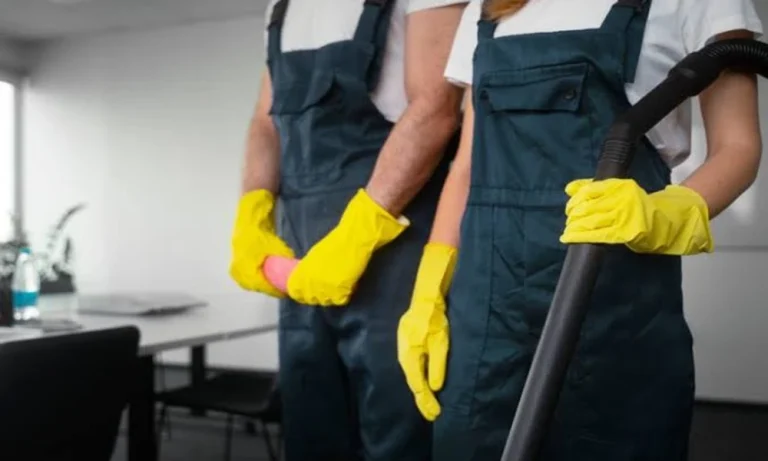
Commercial cleaning is a relationship business. Contracts last months or years, and the people who sign them are usually office managers, facility directors and business owners who have been disappointed before. They are not impulse buyers. They research, compare and ask for proposals. That is why your website matters so much. For many prospects, it is the first and sometimes only impression before they decide whether to invite you for a walkthrough. If you want more janitorial company website leads, the best approach is to walk through your site page by page and ask what each one does for a nervous, busy decision-maker.

Understand Who Is Visiting

Your visitors are typically one of three people.

  • The frustrated switcher. They have a current provider who is unreliable and want a replacement.
  • The new-space buyer. They have a new office, clinic or store that needs a cleaning contractor.
  • The cost-driven reviewer. They are reviewing expenses and comparing quotes.

All three want reassurance on reliability, quality, safety and price clarity. Your site should address each quickly.

The Homepage: Answer Three Questions in Five Seconds

A visitor should immediately know:

  1. What you do (commercial cleaning, floor care, post-construction cleaning and so on).
  2. Where you do it (your service area).
  3. What to do next (request a quote or book a walkthrough).

Put a clear headline, a short supporting line and a prominent button near the top. Add a few trust signals, such as insurance, years in business, client logos with permission and a short testimonial.

The Services Pages: One Page per Offering

Rather than a single list, create individual pages for the main services. Typical examples include:

  • Office cleaning.
  • Medical and dental facility cleaning.
  • School and childcare centre cleaning.
  • Retail and showroom cleaning.
  • Industrial and warehouse cleaning.
  • Floor stripping, waxing and carpet care.
  • Window cleaning and specialty services.

Each page should explain what is included, how often the service can be scheduled, any special standards that apply and who it suits. Specific pages also help you appear in more specific searches.

The Industries Page: Show You Understand Their World

A dental clinic and a gym have very different cleaning needs. Describe the specific standards, schedules and sensitivities for each sector you serve. For example, medical settings need strict infection control, while offices may need after-hours access and security procedures. Speaking each industry’s language builds confidence.

The About Page: Make People Behind the Service Real

Cleaning involves trust, because staff enter premises when no one is around. Use your About page to humanise the business.

  • Introduce the owner and key managers.
  • Explain how you recruit, vet and train staff.
  • Share your values and how you handle accountability.
  • Include photos of your real team, not stock images.

The Process Page: Remove the Fear of Switching

Switching providers feels risky. Show how smooth you make it.

  1. Free walkthrough of the premises.
  2. Written proposal with clear scope and pricing.
  3. Onboarding plan, including keys, alarms and communication.
  4. Quality checks and inspection routines.
  5. Regular reviews to ensure the service stays on track.

The Quality and Safety Page: Prove You Are Professional

Decision-makers want evidence.

  • Insurance and licensing information.
  • Staff screening and training practices.
  • Cleaning products and safety procedures.
  • Quality inspection checklists.
  • Eco-friendly options if you provide them.
  • How you handle complaints and missed tasks.

The Quote Page: Make the Next Step Effortless

Many websites lose leads at the final step.

  • Keep the form short: name, company, contact details, site size or type, and cleaning frequency.
  • Offer a phone number and an email as alternatives.
  • State when they will hear back.
  • Explain what happens next, so they know what to expect.

A confirmation message and a prompt follow-up make a strong first impression.

Blog and Resource Content: Attract Prospects Before They Are Ready

Useful articles bring in visitors who are still researching.

  • How often should an office be professionally cleaned?
  • What should a commercial cleaning contract include?
  • How to evaluate a cleaning company.
  • Cleaning checklists for medical, retail and office settings.
  • Ways to keep shared spaces healthier.

Helpful content also supports your search visibility and positions you as an expert.

Local Search and Reviews

Make sure your map listing is complete, and encourage satisfied clients to leave reviews. Case studies are especially valuable in B2B cleaning, describing the client’s challenge, your solution and the result.

Technical Basics That Quietly Cost Leads

  • Slow loading, especially on phones.
  • Hard-to-read text or cluttered design.
  • Broken forms that never send enquiries.
  • Missing contact details in the header or footer.
  • No tracking, so you cannot tell which pages produce leads.

Test your own form regularly, from a phone, to be sure it works.

Follow Up Fast

A lead that waits days for a reply has probably already contacted someone else. Respond the same day, ideally within hours, and arrange a walkthrough quickly. Follow up on proposals politely, because busy managers often need a reminder.

Final Thoughts

A website that generates janitorial leads is not flashy. It is clear, credible and focused on the worries of a busy decision-maker. Show what you do, prove you are reliable, make switching feel safe and make the next step easy. When every page does its job, your site becomes a quiet salesperson that works all day and night.

Steel is used nearly everywhere; from the buildings we work in and the cars we drive to the infrastructure that holds cities together. But behind every ton of steel produced lies a complex web of machinery and processes that must work in perfect sync. One piece of equipment that rarely gets the spotlight, yet quietly keeps the whole operation moving, is the air compressor.

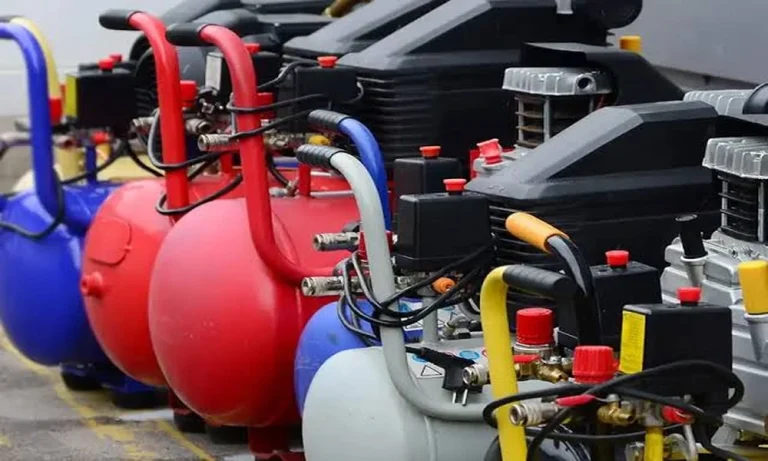
Compressed air shows up almost everywhere on a steel plant floor. It powers hand tools, drives automated systems, and moves materials from one stage of production to another. Without a proper supply of compressed air in the steel industry, even the most advanced steel facility would struggle to stay productive.

Why is Compressed Air So Important in Steel Manufacturing?

Steel plants are exposed to harsh operating conditions where equipment needs to perform consistently. Pneumatic equipment can be particularly useful in such environments because it does not rely on electrical motors at the point of use and can be used for a range of heavy-duty applications. With a reliable supply of compressed air, steel manufacturers can support essential operations while maintaining better control over production processes and equipment performance.

Key applications of Air Compressors in the Steel Manufacturing Industry

  1. Powering pneumatic tools

Tools like grinders, impact wrenches, drills, and cutting tools all depend on a steady supply of high-pressure air to keep working through demanding tasks without giving out.

  1. Automation and Process Controls

Automation is central to modern steel manufacturing, and it can’t function without pneumatics. Compressed air drives the actuators, valves, and instrumentation that control everything from feeding raw materials into the system to managing furnace operations, all of which keeps output consistent and prevents costly errors.

  1. Moving materials around the plant

Getting raw materials, scrap, and finished steel products from one place to another efficiently is no small task. Pneumatic conveying systems rely on compressed air to transport these items safely, which helps both productivity and worker safety.

  1. Cleaning and prepping surfaces

Steel production generates lots of dust and scale. Compressed air is used to clear this debris from machinery and production lines, and to prepare steel surfaces before coating or finishing.

  1. Supporting utility systems


Compressed air also plays a role in cooling systems and other auxiliary equipment. Given the harsh plant environment, that air needs to stay dry and free of contaminants to protect internal components from corrosion and keep everything running long-term.

Choosing the Right Air Compressor for Applications in the Steel Industry

Choosing an air compressor isn’t a one-size-fits-all decision. Plant operators need to weigh air demands, required pressure, environmental conditions, energy efficiency, and future growth plans. Getting the right air compressor means smoother operations and real savings on energy costs over time. Pairing the compressor with proper air treatment equipment is just as important, since clean, dry air protects machinery and keeps performance consistent.

Final Thoughts

From powering tools to enabling automation and material handling, compressed air is widely used in every stage of steel production. As manufacturers push for greater efficiency and lower costs, investing in a well-designed compressed air system paired with the right air solution is one of the smartest moves a plant can make to reduce downtime and keep things running smoothly.

A fresh coat of paint can completely transform a space, but only when it’s done right. Uneven layers, visible streaks, and poor surface preparation can quickly turn a simple upgrade into a disappointing result. That’s why choosing the right professionals is not just important, it’s essential.

Instead of focusing only on cost or availability, it’s worth looking deeper into what truly defines quality workmanship.

The First Impression Starts with Detail

Painting is often seen as a finishing touch, but it’s one of the most visible elements of any space. Whether it’s a home or a commercial property, the final look depends heavily on attention to detail.

Experienced painters understand that preparation is just as important as the final coat. From smoothing surfaces to applying the right primers, every step contributes to a flawless finish.

Beyond the Brush: Preparation Matters

A common misconception is that painting begins with color selection. In truth, it starts long before that.

Professional painters focus on:

  • Cleaning and prepping surfaces
  • Repairing cracks or imperfections
  • Ensuring proper adhesion

Skipping these steps can lead to peeling, uneven textures, and reduced durability. Proper preparation ensures that the results not only look good but also last longer.

Precision in Every Stroke

Quality painting is about consistency. Clean edges, even coverage, and smooth finishes require skill and experience.

Professionals use techniques that ensure:

  • Uniform application
  • No visible brush marks or roller lines
  • Sharp, clean boundaries between colors

This level of precision is what separates average work from truly professional results.

Choosing the Right Materials

Not all paints and tools are the same. The quality of materials like NC Paint and PowerWash can significantly impact the outcome.

Professionals select products based on:

  • Surface type
  • Environmental conditions
  • Desired finish

Using the right materials ensures better coverage, durability, and overall appearance.

Time Efficiency Without Compromise

While speed is important, it should never come at the expense of quality. Skilled professionals know how to balance efficiency with attention to detail.

They follow structured processes that allow them to complete projects on time while maintaining high standards. This ensures that you get the best results without unnecessary delays.

Long-Term Value Over Short-Term Savings

Choosing the lowest-cost option may seem appealing, but it often leads to additional expenses later. Poor-quality work may require frequent touch-ups or complete rework.

Investing in experienced professionals ensures that the job is done right the first time, saving both time and money in the long run.

The Difference You Can See

A well-executed paint job is immediately noticeable. It enhances the look of a space, adds value, and creates a lasting impression.

By choosing the right professionals, you’re not just improving a surface, you’re elevating the entire environment. And when every detail is handled with care, the results speak for themselves.

Ensuring the sterility and overall safety of pharmaceutical cleanrooms has never been more critical. With the rapid evolution of technology and increasing regulatory demands, the pharmaceutical industry is continually seeking innovative methods to refine cleanroom environments. This blog explores advanced strategies designed to enhance cleanroom safety, integrating smart technologies and sustainable solutions.

The Critical Importance of Cleanroom Safety

In pharmaceutical manufacturing, the cleanroom is the cornerstone of product quality. These environments must be maintained at the highest standards to prevent contamination that can compromise drug efficacy and patient safety. With even the slightest lapse in preventive measures, sterilization and process integrity can be jeopardized. Innovative approaches today aim to minimize risk and protect every stage of the manufacturing process, reinforcing the critical relationship between cleanroom safety and public health.

Evolving Challenges and the Need for Adaptation

As technology advances, pharmaceutical companies face an ever-changing landscape. Novel contaminants, increasingly stringent regulations, and emerging manufacturing techniques all pose challenges to traditional cleanroom designs. To address these issues, companies are integrating state-of-the-art solutions that complement human expertise with digital precision and sustainable practices. These innovations elevate the safety of cleanroom environments and optimize operational efficiency across the board.

Cutting-Edge Technologies in Cleanroom Safety

Modern cleanrooms now incorporate sensor networks that monitor air quality in real time. These systems track key parameters—temperature, humidity, and particulate levels—to immediately detect any anomalies. With continuous surveillance, facility managers can quickly respond to deviations before they evolve into serious contaminant issues. Such integration of sensor technology ensures that environmental conditions remain within narrow safety margins, preserving the sterile nature of the space.

Next-Generation Building Materials and Design

Today’s cleanrooms are built using innovative materials that are easier to clean and inherently resistant to microbial growth. Surfaces coated with antibacterial agents or designed with smooth, non-porous finishes count as preventive measures against contamination. In addition, modular design concepts allow for flexibility and rapid reconfiguration, meaning that facilities can adapt quickly to new production requirements or regulatory updates. These design improvements are paving the way for safer, more responsive cleanroom environments.

Automation and Robotics

Human intervention is one of the most significant contributors to cleanroom contamination. To address this challenge, many facilities now employ robotic cleaning systems and touchless interfaces. These automated processes reduce the need for physical contact, thereby maintaining the sterile conditions crucial to pharmaceutical production. Additionally, robotic systems are often equipped with advanced cleaning technologies that deliver consistent and repeatable results, further enhancing the overall safety of the environment.

Microbial Testing

Microbial testing remains a fundamental practice to ensure that a cleanroom remains free from harmful contaminants. Traditional methods of culturing and manual sampling are increasingly being supplanted by rapid, real-time testing technologies. Techniques powered by advanced molecular diagnostics offer the capability to detect even trace amounts of microbial life. These technologies provide near-instant feedback, enabling facility managers to address emerging contamination issues before they can impact production quality. For more information, contact a service provider like ICCAT (Cleanroom Certification and Test).

Real-Time Monitoring and Data-Driven Decision Making

The integration of continuous real-time microbial monitoring systems has revolutionized cleanroom management. By combining data analytics with cutting-edge testing methods, operators can now track contamination trends over time. This proactive approach not only improves immediate response times but also helps in the prediction and prevention of potential issues. For example, when a subtle increase in microbial presence is detected, automated alerts prompt targeted cleaning or procedural adjustments, ensuring that the environment remains meticulously sterile. This synergy between technology and data empowers teams to make informed decisions that protect both the integrity of the product and the health of the end users.

Enhancing Regulatory Compliance with Innovative Testing

Many regulatory bodies now expect cleanrooms to incorporate robust microbiological monitoring as part of their quality assurance protocols. By investing in advanced microbial testing technologies, pharmaceutical companies can demonstrate a commitment to not only meeting but exceeding these high standards. This investment in innovation helps to maintain a culture of vigilance and continuous improvement, ultimately enhancing both internal processes and external trust.

Commercial Wastewater Treatment

Pharmaceutical manufacturing generates a significant amount of wastewater as a byproduct of various processes including cleaning, sterilization, and chemical synthesis. This wastewater, if not treated adequately, can pose environmental risks and even affect the integrity of the production process itself. Commercial wastewater treatment has emerged as a critical component in ensuring that this water is managed responsibly, safeguarding both local ecosystems and the overall manufacturing environment.

Integrating Sustainable Practices into Pharmaceutical Production

Modern wastewater treatment systems are designed to handle complex mixtures of chemicals, organic compounds, and residual contaminants. By employing a range of techniques—physical filtration, chemical treatment, and biological processes—these systems transform contaminated water into a reusable resource. This treated water can be reintroduced into the manufacturing process for purposes such as equipment cleaning and cooling.

Intelligent Monitoring for Enhanced Treatment Efficiency

Similar to how real-time monitoring has revolutionized microbial testing, advanced sensors and data analytics are now being integrated into wastewater treatment systems. Continuous monitoring of water quality parameters ensures that treatment processes are operating at peak efficiency, with any deviations quickly flagged for attention. This intelligent oversight streamlines maintenance routines and supports robust risk management frameworks. As the pharmaceutical industry pushes further into sustainable practices, the coupling of wastewater treatment with digital monitoring stands as a testament to the synergy between technology and environmental responsibility. For more information contact a manufacturer like Blue Earth Products.

Integrating Technology with Human Expertise

No matter how advanced the technology deployed in pharmaceutical cleanrooms, the human element remains indispensable. Regular training sessions and skill development ensure that operators are well versed in both traditional procedures and emerging technologies. This combination of expertise enables facilities not only to detect issues with precision but also to take swift corrective action. By fostering a culture of continuous improvement and emphasizing the critical role of human judgment, companies can build more resilient and adaptive cleanroom environments.

Collaborative Innovation

Partnerships between technology developers and pharmaceutical engineers have led to the creation of integrated systems that automatically consolidate data from multiple sources. These comprehensive control platforms allow teams to oversee everything from air quality and microbial presence to wastewater treatment metrics in one central dashboard. This all-in-one approach reduces reaction times and promotes a more cohesive operational strategy, ensuring that every facet of cleanroom safety is managed in real time. The result is a streamlined, data-driven environment where innovative solutions work hand-in-hand with human oversight.

Pioneering a New Standard for Safety

Innovative approaches to pharmaceutical cleanroom safety are driving a significant evolution in how these critical environments are managed. The emergence of real-time microbial testing and advanced commercial wastewater treatment systems is reshaping industry standards, offering robust solutions that meet and exceed modern regulatory demands. By integrating these technologies with human expertise, companies create a dynamic and responsive safety net that safeguards every stage of production.

Routine general dentistry appointments are essential for maintaining oral health. During these visits, I often hear the question, “What should I expect?” Let me break it down. First, a dental hygienist will clean your teeth, removing plaque and tartar. This step helps prevent cavities and gum disease. Next, an exam is done by the dentist. They’ll check for any signs of decay, misalignment, or other issues. Routine care is more effective after treatment, as it helps maintain the health of your teeth and gums. You might also get X-rays. These images reveal problems not visible during the exam like impacted teeth or bone loss. It’s common to discuss any cosmetic concerns too. An Arlington cosmetic dentist might suggest options to enhance your smile. Remember, these appointments are about prevention and early detection. Regular check-ups ensure a healthy mouth and a confident smile for years to come.

The Importance of Cleanings

Cleanings are more than just about having a bright smile. They play a critical role in preventing diseases. When plaque hardens into tartar, it becomes a breeding ground for bacteria. These bacteria can lead to gum disease, which, if untreated, can cause tooth loss. Cleanings help keep bacteria at bay, protecting your gums and teeth.

  • Plaque Removal: Regular cleanings remove stubborn plaque.
  • Tartar Control: Prevent tartar buildup which can cause gum disease.
  • Fresh Breath: Cleanings also help reduce bad breath.

Comprehensive Exams

The dental exam is a thorough check of your oral health. The dentist looks for any signs of decay, gum issues, and other anomalies. They also check your bite, which is essential for proper alignment. Spotting these issues early can save you from more complicated treatments later on.

Exam Component Description
Decay Detection The dentist inspects each tooth for signs of cavities.
Gum Health Evaluation of gum health to prevent periodontal disease.
Bite Assessment Ensures your teeth are aligned properly for optimal function.

The Role of X-Rays

X-rays offer a glimpse beneath the surface. They reveal issues that are not visible to the naked eye. According to the Centers for Disease Control and Prevention, X-rays can help identify problems like impacted teeth and bone infections.

  • Hidden Decay: Detects cavities between teeth.
  • Growth Monitoring: Helps track the development of children’s teeth.
  • Bone Health: Assesses the health of the bones supporting the teeth.

Discussing Cosmetic Concerns

Many people use these appointments to discuss cosmetic concerns. The dentist might suggest treatments such as whitening or veneers. An Arlington cosmetic dentist might provide more targeted solutions to enhance your smile. It’s an opportunity to explore options that can boost your confidence.

Maintaining Oral Health Between Visits

Routine visits are crucial, but what about between appointments? The American Dental Association recommends brushing twice a day and flossing daily. These habits are the foundation of good oral hygiene. They help manage plaque and prevent decay.

  • Brushing: Use fluoride toothpaste to strengthen enamel.
  • Flossing: Removes food particles between teeth.
  • Healthy Diet: Avoid sugary snacks that contribute to decay.

The Bottom Line

Routine general dentistry appointments are about more than just cleaning and exams. They are a comprehensive approach to maintaining oral health. From preventing plaque buildup to discussing cosmetic improvements, these visits cover all bases. They also provide a chance to catch problems early, making treatment simpler and more effective. So, make sure to schedule your next appointment. Your mouth will thank you.

For individuals who’ve made the decision to just accept assistance of an expert housekeeping services service in Atlanta,thennot only are you currently presently presently presently spoilt for choices there’s nevertheless the important element of placing your belief over the right agency. The following information will help you when buying a home cleaning service in Atlantathat you can depend on in addition to wind down comfortable understanding that your house are available in tip-good condition due to their efforts. Ensure you’ve determined the following before you sign anything along with your agency:

An essential tool in today's business model | ICI Sonneries - Design for internet of things

Will be the cleaners well compensated making to feel valued- The very best factor you will need inside your cleaner maid might be a disgruntled cleaner who cannot wait to vent out his frustration with lousy dealing with cover, low satisfaction job. A place to in the couple of days is agencies that do not value their own employees are less inclined to value their clients when compared with other services of repute.

Insurance- Insurance makes certain that you don’t need to repay for broken fixtures and appliances that have been damaged while using cleaning personnel. Good agencies try and exchange or repair things broken by their workers.

Determine the organization has insurance for workers compensation- It’s not unusual to discover agencies techniques by delivering cleaning contractors who concentrate on a neutral basis and thus don’t have any coverage by compensation insurance. Meaning a danger you will probably have to feet part of the bill endured by treating injuries maintained by employees member although within the home> Furthermore to complement that could complete as an pricey affair.

Proper worker screening- Good agencies make sure that employed cleaners have a very clean record both with regards to criminal antecedents and work history employing a dependable social security trace disbursing across counties.

5 Skills You'll Gain with a Business Admin Degree - Table Salt | NCU Blog

Are they going to guarantee that you will be totally satisfied by the grade of service provided through the business employees- It’s of little found in obtaining a cleaning service if you are not necessarily pleased house they render. Before selecting a particular housekeeping services service ensure they provide an assurance within the satisfaction. This shows they’ve belief the inside the job they are doing quality. Good agencies send different crews for that housekeeping services just in situation you are not happy with the task company’s specific one. Remember you are hiring the company because you want reassurance by yourself rather of to acquire bogged lower by persistent problems that the cleaners misses or even worse ignores.

Tosign off we are in a position to condition which will you carefully follow the points pointed out within the following sentences it’s more most likely nowadays enough to produce yourself a way to pick a housekeeping services service that satisfies your needs perfectly.