
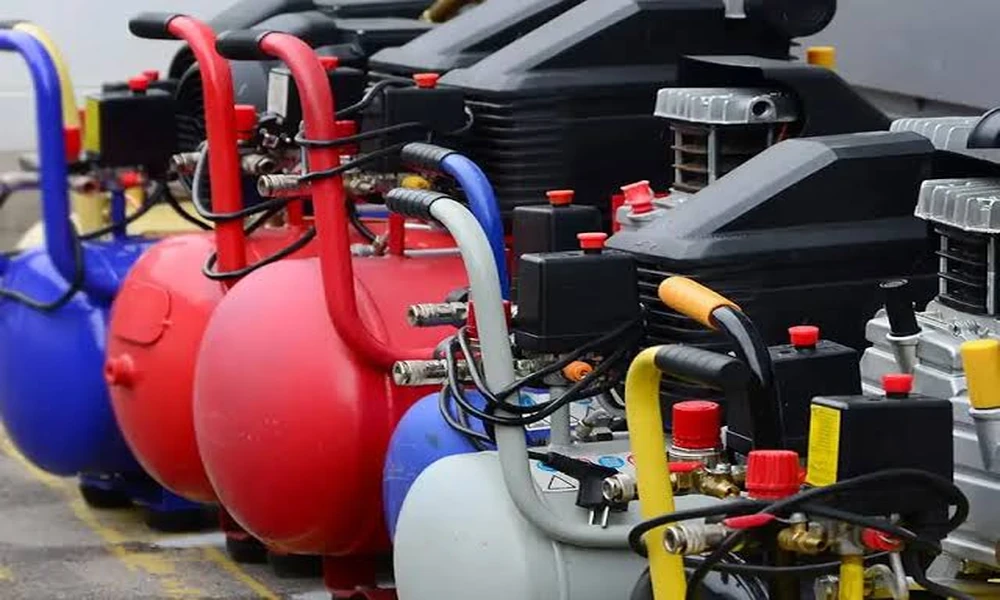
Steel is used nearly everywhere; from the buildings we work in and the cars we drive to the infrastructure that holds cities together. But behind every ton of steel produced lies a complex web of machinery and processes that must work in perfect sync. One piece of equipment that rarely gets the spotlight, yet quietly keeps the whole operation moving, is the air compressor.
Compressed air shows up almost everywhere on a steel plant floor. It powers hand tools, drives automated systems, and moves materials from one stage of production to another. Without a proper supply of compressed air in the steel industry, even the most advanced steel facility would struggle to stay productive.
Why is Compressed Air So Important in Steel Manufacturing?
Steel plants are exposed to harsh operating conditions where equipment needs to perform consistently. Pneumatic equipment can be particularly useful in such environments because it does not rely on electrical motors at the point of use and can be used for a range of heavy-duty applications. With a reliable supply of compressed air, steel manufacturers can support essential operations while maintaining better control over production processes and equipment performance.
Key applications of Air Compressors in the Steel Manufacturing Industry
- Powering pneumatic tools
Tools like grinders, impact wrenches, drills, and cutting tools all depend on a steady supply of high-pressure air to keep working through demanding tasks without giving out.
- Automation and Process Controls
Automation is central to modern steel manufacturing, and it can’t function without pneumatics. Compressed air drives the actuators, valves, and instrumentation that control everything from feeding raw materials into the system to managing furnace operations, all of which keeps output consistent and prevents costly errors.
- Moving materials around the plant
Getting raw materials, scrap, and finished steel products from one place to another efficiently is no small task. Pneumatic conveying systems rely on compressed air to transport these items safely, which helps both productivity and worker safety.
- Cleaning and prepping surfaces
Steel production generates lots of dust and scale. Compressed air is used to clear this debris from machinery and production lines, and to prepare steel surfaces before coating or finishing.
- Supporting utility systems
Compressed air also plays a role in cooling systems and other auxiliary equipment. Given the harsh plant environment, that air needs to stay dry and free of contaminants to protect internal components from corrosion and keep everything running long-term.
Choosing the Right Air Compressor for Applications in the Steel Industry
Choosing an air compressor isn’t a one-size-fits-all decision. Plant operators need to weigh air demands, required pressure, environmental conditions, energy efficiency, and future growth plans. Getting the right air compressor means smoother operations and real savings on energy costs over time. Pairing the compressor with proper air treatment equipment is just as important, since clean, dry air protects machinery and keeps performance consistent.
Final Thoughts
From powering tools to enabling automation and material handling, compressed air is widely used in every stage of steel production. As manufacturers push for greater efficiency and lower costs, investing in a well-designed compressed air system paired with the right air solution is one of the smartest moves a plant can make to reduce downtime and keep things running smoothly.

Comments are closed.