
Category

Industry

Category

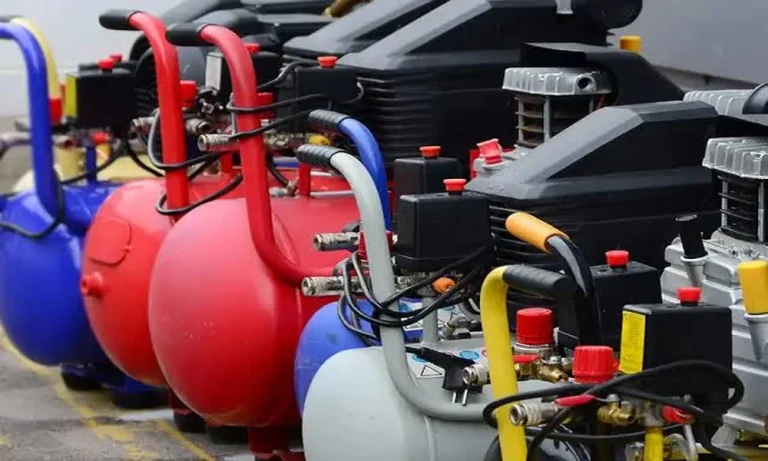
Steel is used nearly everywhere; from the buildings we work in and the cars we drive to the infrastructure that holds cities together. But behind every ton of steel produced lies a complex web of machinery and processes that must work in perfect sync. One piece of equipment that rarely gets the spotlight, yet quietly keeps the whole operation moving, is the air compressor.

Compressed air shows up almost everywhere on a steel plant floor. It powers hand tools, drives automated systems, and moves materials from one stage of production to another. Without a proper supply of compressed air in the steel industry, even the most advanced steel facility would struggle to stay productive.

Why is Compressed Air So Important in Steel Manufacturing?

Steel plants are exposed to harsh operating conditions where equipment needs to perform consistently. Pneumatic equipment can be particularly useful in such environments because it does not rely on electrical motors at the point of use and can be used for a range of heavy-duty applications. With a reliable supply of compressed air, steel manufacturers can support essential operations while maintaining better control over production processes and equipment performance.

Key applications of Air Compressors in the Steel Manufacturing Industry

  1. Powering pneumatic tools

Tools like grinders, impact wrenches, drills, and cutting tools all depend on a steady supply of high-pressure air to keep working through demanding tasks without giving out.

  1. Automation and Process Controls

Automation is central to modern steel manufacturing, and it can’t function without pneumatics. Compressed air drives the actuators, valves, and instrumentation that control everything from feeding raw materials into the system to managing furnace operations, all of which keeps output consistent and prevents costly errors.

  1. Moving materials around the plant

Getting raw materials, scrap, and finished steel products from one place to another efficiently is no small task. Pneumatic conveying systems rely on compressed air to transport these items safely, which helps both productivity and worker safety.

  1. Cleaning and prepping surfaces

Steel production generates lots of dust and scale. Compressed air is used to clear this debris from machinery and production lines, and to prepare steel surfaces before coating or finishing.

  1. Supporting utility systems


Compressed air also plays a role in cooling systems and other auxiliary equipment. Given the harsh plant environment, that air needs to stay dry and free of contaminants to protect internal components from corrosion and keep everything running long-term.

Choosing the Right Air Compressor for Applications in the Steel Industry

Choosing an air compressor isn’t a one-size-fits-all decision. Plant operators need to weigh air demands, required pressure, environmental conditions, energy efficiency, and future growth plans. Getting the right air compressor means smoother operations and real savings on energy costs over time. Pairing the compressor with proper air treatment equipment is just as important, since clean, dry air protects machinery and keeps performance consistent.

Final Thoughts

From powering tools to enabling automation and material handling, compressed air is widely used in every stage of steel production. As manufacturers push for greater efficiency and lower costs, investing in a well-designed compressed air system paired with the right air solution is one of the smartest moves a plant can make to reduce downtime and keep things running smoothly.
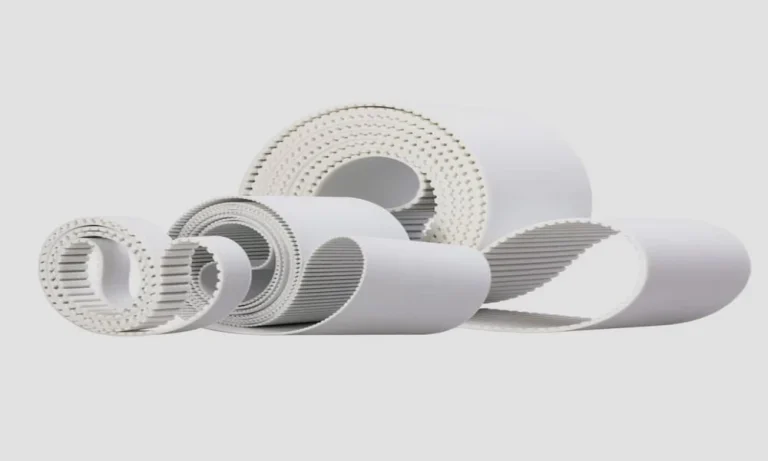

Industries across India depend on efficient power transmission systems to maintain productivity and reduce downtime. From packaging units to textile machinery and automation systems, timing belts play an important role in ensuring smooth movement and synchronised operations. This is why businesses prefer trusted pu timing belt manufacturers timing belt solutions that offer durability, flexibility, and long service life. Modern manufacturing methods and strict quality standards help these belts perform efficiently even under demanding industrial conditions.

Use of Advanced Raw Materials

The quality of a timing belt largely depends on the raw materials used during production. Manufacturers focus on selecting premium-grade polyurethane compounds because they provide excellent resistance to wear, oil, chemicals, and temperature changes.

Some important benefits of high-quality PU material include:

  • Better resistance to abrasion and cracking
  • Improved flexibility during continuous operation
  • Reduced maintenance requirements
  • Longer operational life in industrial applications

A well-designed pu timing belt can operate efficiently in industries where machines run continuously for long hours. The use of reinforced tensile cords further improves strength and minimises stretching during operation. This combination of flexibility and strength makes PU timing belts suitable for both light-duty and heavy-duty industrial machinery.

Precision Manufacturing Processes

Manufacturers use advanced machinery and automated production systems to ensure every belt is produced with accurate dimensions and uniform tooth profiles. Precision is extremely important because even a small variation can affect machine synchronisation.

Key manufacturing practices include:

  • Computer-controlled moulding techniques
  • Accurate tooth profile cutting
  • Heat treatment for enhanced durability
  • Strict dimensional inspections during production

Reliable timing belt dealers in Mumbai often recommend belts manufactured with advanced technology because they deliver smoother performance and lower vibration levels. Precision production also helps reduce noise during machine operations. In modern industries, reduced vibration contributes to better machine stability and improved operational safety.

Focus on Load-Bearing Capacity

Industrial applications require timing belts that can handle different load conditions without failure. Manufacturers conduct extensive testing to ensure the belts can operate under varying pressure and speed requirements.

To improve load-bearing performance, manufacturers focus on:

  • Strong tensile cord integration
  • Uniform distribution of stress across the belt
  • Enhanced grip between pulley and belt
  • High resistance to sudden shock loads

A premium-quality pu timing belt manufacturers timing belt product is designed to maintain consistent motion transmission even in high-speed industrial machinery. This helps businesses avoid frequent breakdowns and production delays. Efficient load management also improves the overall lifespan of connected machine components.

Quality Testing for Long-Term Reliability

Before reaching the market, timing belts undergo multiple quality checks to ensure they meet industrial standards. Testing procedures help manufacturers identify defects and maintain consistent product performance.

Common testing methods include:

  • Tensile strength testing
  • Flexibility and fatigue analysis
  • Heat and chemical resistance testing
  • Tooth wear and alignment inspection

These quality measures ensure that each pu timing belt performs efficiently across different industrial environments. Proper testing also increases user confidence and supports long-term machinery performance. Manufacturers also maintain strict inspection records to ensure consistent product quality across every production batch.

Customisation for Different Industries

Different industries require timing belts with specific dimensions, tooth profiles, and performance characteristics. Manufacturers provide customised solutions to meet the operational needs of sectors such as food processing, pharmaceuticals, packaging, printing, and automotive manufacturing.

Customisation options may include:

  • Special belt widths and lengths
  • High-temperature resistant materials
  • Food-grade polyurethane coatings
  • Anti-static belt properties

Experienced timing belt dealers in Mumbai often help industries select the right belt configuration according to machine specifications and workload conditions. Choosing the correct timing belt improves machine efficiency and minimises unnecessary wear.

Importance of Proper Maintenance and Installation

Even the best timing belts require proper installation and maintenance to deliver maximum durability. Manufacturers usually provide technical guidance to help users maintain optimal performance.

Important maintenance practices include:

  • Checking belt tension regularly
  • Ensuring pulley alignment
  • Cleaning belts to avoid dust accumulation
  • Replacing worn-out components on time

Proper handling significantly increases the service life of industrial belts and prevents unexpected machine stoppages. Businesses that follow preventive maintenance schedules often achieve better productivity and reduced repair costs.

The growing demand for reliable industrial automation has increased the importance of durable and high-performance timing belts. Manufacturers focus on advanced materials, precision engineering, quality testing, and industry-specific customisation to deliver dependable products for modern machinery. By choosing trusted suppliers and maintaining belts correctly, industries can improve operational efficiency and reduce downtime. Many businesses today rely on high-quality pu timing belt solutions along with support from experienced dealers to ensure smooth and uninterrupted industrial performance.

Strong production methods support stable output for detailed metal sections across many industrial units today. Modern casting methods help producers shape accurate forms through controlled material preparation stages. Careful mold preparation reduces waste while supporting a cleaner surface structure during repeated production cycles with thailand investment casting supporting reliable and consistent manufacturing quality.

Accurate Mold Shape Control

Precise mold structure supports balanced metal flow through narrow section areas during active production tasks. Skilled workers manage heat balance for smoother surface quality across detailed component edges. Careful planning also lowers material strain during large-volume manufacturing periods.

Reliable Material Strength Growth

Material stability improves through balanced heating stages during controlled shaping operations across manufacturing units. Strong inner structure supports longer usage periods under demanding pressure conditions every day. Producers also reduce repair needs through accurate formation methods during preparation phases. The thailand investment casting supports cleaner output with dependable industrial production quality.

Faster Production Flow

Quick preparation stages support steady workflow movement without unnecessary delay during repeated factory operations.

  • Smooth metal transfer improves stable industrial output daily
  • Balanced heat control lowers unwanted surface marks efficiently
  • Refined material structure supports dependable operational strength consistently
  • Skilled handling methods reduce unnecessary finishing tasks greatly

Reduced Material Waste

Balanced resource usage helps manufacturers control expenses while maintaining suitable structural quality standards daily. Proper mold usage lowers rejected section levels during continuous manufacturing activities across production units. Workers also manage cleaner finishing results through accurate preparation steps before shaping begins.

Better Surface Finishing

Smooth outer structure supports easier assembly procedures during industrial equipment preparation across production areas.

  • Refined shaping methods support cleaner edges during production
  • Balanced pressure handling improves stable form retention consistently
  • Accurate preparation stages reduce uneven texture formation effectively
  • Controlled heating supports stronger durability during machinery usage

Flexible Industrial Production

Manufacturers handle varied component structures through adaptable shaping procedures in response to changing industrial demands today. Careful planning supports detailed formation for compact sections with balanced structural performance levels. Production teams also improve operational timing through organized preparation methods during continuous activity.

Careful industrial shaping procedures support dependable component quality through organized preparation activities during ongoing manufacturing operations. Balanced heat handling improves stronger material performance while reducing unnecessary production difficulties throughout demanding assembly tasks. Skilled workers maintain accurate structural formation through refined process control across varied industrial requirements every season.

FAQ

How do precise molds support industrial component structure formation?

Precise molds maintain balanced shapes during metal preparation procedures.

Why do manufacturers prefer accurate preparation during production activities?

Accurate preparation lowers waste while supporting stronger material durability.

How does smooth surface quality support assembly procedures effectively?

Smooth outer structure improves fitting accuracy during assembly preparation stages.