Tag

business

Browsing

Maintaining a steady cash flow is one of the most critical challenges businesses face. Even profitable companies can experience cash flow gaps when clients delay payments, making it difficult to cover operational expenses, pay employees, or invest in growth opportunities. Professional invoice factoring services offer a practical solution by converting outstanding invoices into immediate cash, enabling businesses to operate smoothly without waiting for payments. Understanding how these services work and the benefits they provide can help businesses enhance their operations and maintain financial stability.

How Invoice Factoring Services Work

Invoice factoring services function by allowing businesses to sell their unpaid invoices to a factoring company at a discount. Once the factoring company purchases the invoice, it provides the business with immediate funds, typically a percentage of the invoice’s total value. The factoring company then takes responsibility for collecting payment from the client. Upon receipt of the full payment, the business receives the remaining balance minus the factoring fee.

This process eliminates the uncertainty associated with late payments and reduces the administrative burden of chasing invoices. By outsourcing the accounts receivable collection process, businesses can focus on core activities such as production, sales, and customer service. Invoice factoring services can also be structured in various ways, including recourse and non-recourse factoring. Recourse factoring requires the business to buy back unpaid invoices after a certain period, while non-recourse factoring transfers the credit risk to the factoring company, providing an additional layer of security.

Businesses of all sizes can benefit from invoice factoring services, particularly those experiencing rapid growth or seasonal fluctuations in revenue. By ensuring immediate access to cash, companies can cover payroll, purchase inventory, and meet other essential expenses without the stress of delayed client payments.

Benefits of Using Invoice Factoring Services

Professional invoice factoring services offer multiple advantages beyond immediate cash flow. One of the most significant benefits is improved financial flexibility. With access to funds when needed, businesses can respond quickly to market opportunities, take advantage of bulk purchase discounts, or expand operations without seeking traditional bank loans that may require collateral or extensive approval processes.

Invoice factoring services also help reduce administrative overhead. Instead of dedicating staff time and resources to manage collections and follow-ups, businesses can rely on the factoring company to handle the invoicing process. This delegation allows employees to concentrate on activities that drive growth and improve customer relationships, ultimately enhancing overall efficiency.

Additionally, these services contribute to financial stability and planning. By providing predictable access to working capital, businesses can better forecast expenses and allocate resources effectively. This stability is particularly valuable for small and medium-sized enterprises that may not have extensive reserves to cover unexpected costs.

Another key advantage is the potential improvement in client relationships. With invoice factoring services, businesses are less pressured to aggressively pursue payments, which can help maintain positive relationships with clients. This approach fosters trust and encourages long-term partnerships, ultimately supporting sustainable growth.

Selecting the Right Invoice Factoring Services Provider

Choosing the right invoice factoring services provider is critical to maximizing benefits and avoiding potential pitfalls. Businesses should evaluate several factors, starting with the provider’s reputation and experience in the industry. Established factoring companies often have efficient processes, transparent fee structures, and a proven track record of managing accounts receivable professionally.

It is also important to consider the terms of the factoring agreement. Different providers offer varying advances, fees, and contract lengths. Businesses should carefully review these terms to ensure they align with cash flow needs and operational goals. Flexibility in terms and responsiveness to business demands are key indicators of a reliable provider.

Customer service quality is another crucial factor. Since the factoring company will interact directly with clients regarding invoice payments, it is important to work with a provider that represents the business professionally. Clear communication, timely updates, and problem resolution capabilities contribute to a smooth experience and minimize potential disruptions in client relationships.

Integrating Invoice Factoring Services into Business Operations

Effectively integrating invoice factoring services into daily business operations requires planning and coordination. Businesses should establish clear internal processes for submitting invoices to the factoring company, tracking payments, and managing accounting records. Proper integration ensures that the benefits of immediate cash flow are realized without disrupting normal operations.

Staff training and communication are also essential. Employees should understand how the factoring process works, what responsibilities remain with the business, and how to handle client interactions in conjunction with the factoring company. This understanding helps maintain operational consistency and avoids confusion that could impact client satisfaction or financial reporting.

Businesses can further optimize the benefits of invoice factoring services by using them strategically during periods of high demand or financial pressure. For example, factoring invoices during seasonal peaks or when taking on a large project can provide the necessary liquidity to meet increased operational demands. Over time, businesses that integrate invoice factoring effectively into their financial strategy can achieve more predictable cash flow, reduce reliance on debt, and strengthen overall operational efficiency.

Invoice factoring services provide a practical and effective solution for businesses seeking to improve cash flow, streamline operations, and maintain financial stability. By converting outstanding invoices into immediate cash, companies can meet operational expenses, support growth initiatives, and foster positive client relationships without the delays and stress associated with late payments. Choosing a reputable provider and integrating the service thoughtfully into business processes ensures that businesses can reap the full benefits while minimizing potential risks.

For companies facing cash flow challenges or seeking a flexible financing solution, professional invoice factoring services offer a reliable way to maintain smooth operations and support long-term success. By understanding how these services work, evaluating the right provider, and applying them strategically, businesses can enhance efficiency, protect their financial health, and focus on growth opportunities without interruption.

Career paths in private equity rarely follow straight lines. Many investors work at investment banks, then join private equity firms, then perhaps start their own firms. Each step provides different skills and perspectives.

Reeve B. Waud’s career followed this pattern. He worked at Salomon Brothers, joined GTCR, and eventually founded Waud Capital Partners. Each role contributed to the investment approach he would later employ.

Early Years: Salomon Brothers Venture Capital Group

Salomon Brothers, one of Wall Street’s prominent investment banks, had a corporate finance group where Reeve B. Waud began his career. Corporate finance exposed him to how companies raise capital, structure transactions, and evaluate strategic alternatives.

While at Salomon Brothers, Reeve B. Waud became a founding member of the firm’s venture capital group. This early-stage investing experience differed from later-stage buyouts but taught lessons about company formation, management team evaluation, and growth capital deployment.

Venture capital typically involves minority investments in high-growth companies. Returns come from company appreciation rather than operational improvements or leverage. This model contrasts with the control buyouts Waud Capital would later pursue, but the experience in evaluating management teams and growth opportunities proved transferable.

GTCR Experience: Learning Through Acquisitions

After Salomon Brothers, Reeve B. Waud joined Golder, Thoma, Cressey, Rauner, Inc. (GTCR), a Chicago-based private equity firm. GTCR specialized in growth buyouts—control investments in established companies with expansion potential.

At GTCR, Reeve B. Waud gained hands-on experience building companies through acquisitions. Some portfolio companies were constructed through more than 30 separate transactions. This buy-and-build approach—acquiring a platform company, then adding complementary businesses—became central to his later investment strategy.

Portfolio companies during his GTCR tenure included businesses across multiple sectors. This exposure to different industries helped develop pattern recognition: identifying which business characteristics enable successful consolidation and which create integration challenges.

The GTCR experience also demonstrated the importance of operational expertise. Completing 30 acquisitions for a single portfolio company requires not just capital but also integration capabilities, systems standardization, and cultural alignment. These lessons would inform how Waud Capital later structured its “Ecosystem” of operating partners.

Striking Out Independently at 29

In 1993, at age 29, Reeve B. Waud founded Waud Capital Partners. The firm began as a self-funded, one-person operation in Lake Forest, Illinois. Initial investments came from his own capital rather than institutional investors.

Starting independently meant forgoing the infrastructure, deal flow, and brand recognition of established firms. However, it provided complete control over investment decisions, portfolio company involvement, and firm culture.

Reeve B. Waud holds a BA in Economics from Middlebury College and an MBA from the Kellogg School of Management at Northwestern University. These educational credentials complemented his work experience at Salomon Brothers and GTCR.

The firm raised its first institutional fund in 1998, five years after founding. By then, Reeve B. Waud had established a track record demonstrating his ability to identify opportunities, complete transactions, and generate returns.

Thirty-two years after founding, Waud Capital Partners manages approximately $4.6 billion in assets and employs roughly 70 professionals.. The firm has completed more than 460 investments across healthcare and software sectors.Reeve B. Waud has led or overseen more than 500 company acquisitions throughout his career. This acquisition experience, developed at GTCR and expanded at Waud Capital, distinguishes the firm’s approach. Rather than occasional add-on acquisitions, Waud Capital pursues systematic buy-and-build strategies averaging 10 or more add-ons per healthcare platform.

It is hard to remember the time when drones were just weekend toys. Today they feel like quiet co-workers. You see them above farms, rooftops, events, even construction zones. They collect details faster than any crew on the ground. The shift in drone services in charleston, sc shows how small machines started handling big work like mapping, filming, checking, measuring all in a single flight.

Why Precision and Planning Matter in Aerial Work
Flying a drone looks simple until you deal with timing, light, and safety zones. Professionals plan each flight like a small mission. Before takeoff, they:

  • Study the site’s wind direction and possible obstacles.
  • Mark the map with flight boundaries.
  • Charge backup batteries and memory cards.
  • Run a short test hover to check stability.
  • Confirm that nearby airspace is clear.

A smooth flight later comes from that quiet prep earlier.

Creative Content Made Possible Through Aerial Shots
Aerial footage changes how stories are told. Videos that start from the sky catch attention in seconds. Filmmakers, hotels, and event organizers use drones to show full scenery without fancy equipment. For marketers, those wide angles bring new energy to ordinary scenes. Simple creative habits keep footage engaging:

  • Use natural light whenever possible.
  • Keep slow pans and gentle movement; no dizzying spins.
  • Focus on storytelling, not just height.
  • Include human elements like rooftops, cars, or people for scale.

It turns plain views into experiences.

The Role of Training and Certification
Responsible flying goes beyond owning the drone. Local rules require certification, flight logging, and safety checks. Many companies now prefer hiring certified pilots even for small jobs. It shows reliability and builds trust. A licensed pilot also knows how to protect privacy while capturing needed footage a balance many overlook.

Trends That Will Shape Drone Technology Ahead
The future is moving faster than expected. We already see drones with obstacle detection, automated route learning, and AI that reads terrain live. Some can track subjects on their own, avoiding trees and wires with ease. Soon, drones might even deliver small packages more safely than bikes. What once sounded futuristic is turning into daily routine.

Drones are changing how people see their work, their land, and their stories. They make the impossible view suddenly normal. When handled with care, drone services in charleston, sc blend technology with creativity giving businesses speed, safety, and a fresh angle on everything beneath them.

The demand for professional family law in Byron Bay has grown considerably in recent years. As more residents and businesses recognize the value of quality service providers, knowing how to identify and select the right professional for your needs has become increasingly important.

In this detailed article, we’ll explore the key aspects of professional family law, helping you understand what differentiates quality providers from the competition and how to ensure you receive the best possible service in the Byron Bay region. We’ll discuss important factors to consider, common pitfalls to avoid, and strategies for finding the right professional partner.

Throughout this article, you’ll discover practical tips, industry insights, and expert recommendations that will empower you to make informed decisions about family law. We’ll examine the key qualities that define exceptional service providers, discuss pricing considerations, and highlight the advantages of working with local professionals who understand the unique characteristics and requirements of the Byron Bay market.

What Professional Family Law Involves

Family Law encompasses a diverse range of specialized tasks and expertise that require professional knowledge, training, and experience to execute properly. In Byron Bay, the local climate conditions, regulatory environment, and specific regional factors all play important roles in how these services are delivered and what approaches work best for achieving optimal results.

Professional family law providers bring invaluable expertise to every project they undertake. They possess deep understanding of the unique requirements specific to the Byron Bay area, including local council regulations, building codes, environmental considerations, and industry best practices that ensure quality outcomes. This specialized local knowledge is particularly valuable when it comes to completing work efficiently, meeting all compliance requirements, and delivering results that stand the test of time.

Working with experienced professionals also means gaining access to the right tools, equipment, and modern techniques that may not be available to general contractors or DIY approaches. Reputable family law providers invest in professional-grade equipment and stay current with the latest industry developments, technologies, and methodologies. They maintain the necessary licenses, insurance coverage, and certifications to protect both themselves and their clients, providing peace of mind throughout the entire project.

Moreover, professional providers understand the importance of proper planning, project management, and attention to detail. They can assess your specific situation, identify potential challenges before they become problems, and develop comprehensive solutions tailored to your unique requirements and budget constraints.

Advantages of Hiring Local Family Law Professionals

Choosing local family law providers in Byron Bay offers numerous distinct advantages that can significantly impact both your immediate experience and long-term results. Local professionals possess intimate knowledge of the area, deeply understand regional requirements and conditions, can respond quickly to your needs, and often provide more personalized service than larger, non-local companies.

One of the most compelling benefits of working with local professionals is their genuine commitment to building and maintaining their reputation within the community. When you choose Family Law Byron Bay providers who operate locally and serve the Byron Bay community, you’re working with businesses that depend heavily on word-of-mouth recommendations, positive reviews, and repeat customers. This creates strong motivation to deliver exceptional service consistently and to go above and beyond to ensure client satisfaction.

Local businesses also have comprehensive understanding of the specific challenges, opportunities, and characteristics unique to Byron Bay. They’re intimately familiar with local suppliers and can often secure materials more quickly and cost-effectively. They understand regional weather patterns and seasonal considerations that might affect project timing or methodology. They’re experienced with common issues that arise in the area and know the most effective solutions for addressing them.

Additionally, local providers are typically more accessible and responsive. They can visit your site quickly for assessments or consultations, respond promptly to questions or concerns, and provide ongoing support after project completion. This accessibility and responsiveness can be particularly valuable when time-sensitive situations arise or when you need expert advice on related matters.

How to Identify Quality Family Law Services

When searching for professional family law in Byron Bay, several critical factors should guide your evaluation and decision-making process. Taking the time to carefully assess potential providers against these criteria will help ensure you select a professional partner capable of delivering the quality results you expect and deserve.

First and foremost, always verify that any provider you’re considering holds all appropriate licenses, certifications, qualifications, and comprehensive insurance coverage. This isn’t just a formality—proper licensing demonstrates that the provider meets professional standards and regulatory requirements, while adequate insurance protects you from liability should anything unexpected occur during the project. Don’t hesitate to ask for proof of these credentials and verify them independently if necessary.

Experience and track record matter significantly in this industry. Look for providers with substantial, verifiable experience specifically in Byron Bay and ask for references or examples of previous projects similar to yours. Experienced professionals have encountered and successfully navigated various challenges, developed efficient problem-solving approaches, and refined their techniques to consistently deliver quality results. They’re better equipped to handle unexpected situations and provide realistic timelines and cost estimates.

Communication skills and transparency are also crucial indicators of a quality provider. The best family law professionals will clearly explain their processes and methodologies, provide detailed, itemized quotes with no hidden fees, keep you informed throughout every stage of the project, and make themselves readily available to answer questions or address concerns. They should demonstrate genuine interest in understanding your specific needs and goals, and be willing to discuss various options and their respective advantages or limitations.

Cost Considerations for Family Law in Byron Bay

Cost naturally represents an important consideration when hiring professional family law providers, but it’s essential to look beyond simple bottom-line pricing and consider the overall value proposition you’re receiving. While budget constraints are real and valid, choosing solely based on the lowest price often proves to be a false economy that can lead to disappointment, additional expenses, or even safety concerns.

In the Byron Bay market, pricing for family law can vary considerably based on numerous factors including project scope and complexity, materials and equipment required, timeline expectations, and the provider’s experience level and reputation. Reputable, established providers will offer transparent pricing structures and provide detailed, comprehensive quotes that clearly break down all costs and explain what’s included. Be wary of quotes that seem unusually low, as they may indicate corner-cutting, hidden fees, or inexperience.

Investing appropriately in quality family law typically saves money over the long term by avoiding costly mistakes, ensuring work is completed correctly the first time, providing durable results that won’t require frequent repairs or premature replacement, and preventing potential safety issues or regulatory violations. Quality work often comes with warranties or guarantees that provide additional protection and peace of mind.

Conclusion

Finding the right family law provider in Byron Bay requires thoughtful consideration and due diligence, but the effort invested in this process is undoubtedly worthwhile. By focusing on key factors like experience, reputation, proper credentials, and quality of service rather than price alone, you can ensure excellent results that meet your needs and exceed your expectations.

Take the time necessary to thoroughly research your options, ask detailed questions, verify credentials and references, and trust your instincts about which provider feels like the right fit for your project. The best family law professionals will welcome your questions, demonstrate their expertise through knowledge and past work examples, and make you feel confident in their ability to deliver outstanding results.

Remember that choosing quality family law represents an investment in your property, your safety, your satisfaction, and ultimately your peace of mind. Make your decision wisely based on comprehensive evaluation rather than hasty judgment, and you’ll enjoy the benefits of professional, reliable service for years to come.

<em>Location: Byron Bay</em>


In today’s global economy, sustainability is no longer an optional strategy—it is a business necessity. One of the most promising ways companies can align with climate goals and unlock financial opportunities is through carbon credit programs. However, before any organization commits resources, a Carbon Credit Feasibility Study is essential. This process evaluates whether a carbon credit project is technically, financially, and environmentally viable.

Below, we explore the key steps required to conduct an effective Carbon Credit Feasibility Study and why it should be a priority for businesses aiming to balance profitability with environmental responsibility.

Why a Carbon Credit Feasibility Study Matters

A Carbon Credit Feasibility Study provides clarity for decision-makers by answering critical questions:
• Is the project technically possible?
• Does it comply with international standards for carbon credit certification?
• What are the financial costs, risks, and expected returns?
• Will investors and stakeholders consider the project credible?

Without such a study, organizations risk committing to projects that may not generate the intended carbon credits or financial benefits.

Step 1: Define Project Scope and Objectives

The first step in a Carbon Credit Feasibility Study is to clearly outline the project’s goals. Are you planning to implement renewable energy, reforestation, or energy efficiency measures? Defining the scope ensures that the study can address specific technical and financial parameters.

• Establish the type of carbon credit project (renewable, forestry, waste management, industrial efficiency).
• Define the geographic location and affected stakeholders.
• Identify the main objectives: emissions reduction, financial gain, or corporate social responsibility.

Step 2: Conduct Market Analysis

Understanding the carbon credit market is critical. A Carbon Credit Feasibility Study must examine both voluntary and compliance markets to determine where the credits can be sold and at what price.

• Analyze global carbon credit demand and price trends.
• Identify potential buyers such as corporations, governments, or NGOs.
• Compare opportunities in voluntary carbon markets versus compliance-driven markets.
• Assess market risks, including fluctuating carbon credit prices and regulatory uncertainty.

Step 3: Evaluate Technical Feasibility

Not all projects are technically suited for generating carbon credits. This part of the Carbon Credit Feasibility Study ensures the project is realistic.

• Review available technologies and their scalability.
• Assess infrastructure requirements and resource availability.
• Examine potential environmental and operational barriers.
• Identify whether local expertise and labor are available.

Step 4: Analyze Legal and Regulatory Compliance

Carbon credit projects must meet international standards, such as the Verified Carbon Standard (VCS) or the Gold Standard. A Carbon Credit Feasibility Study must therefore include a legal review.

• Check local, national, and international environmental regulations.
• Ensure compliance with carbon credit certification bodies.
• Identify potential legal risks, permits, or licensing requirements.
• Consider land ownership rights and community agreements.

Step 5: Assess Financial Viability

One of the most important parts of a Carbon Credit Feasibility Study is financial modeling. Decision-makers need to know whether the project will deliver positive returns.

• Estimate total project costs (capital and operational).
• Forecast potential revenue from selling carbon credits.
• Calculate ROI, payback periods, and internal rate of return (IRR).
• Explore funding sources, including investors, grants, or green bonds.

Step 6: Identify and Mitigate Risks

Every project involves risks, and a Carbon Credit Feasibility Study must identify them early.

• Financial risks: fluctuating carbon prices or higher-than-expected costs.
• Technical risks: failure of technology or supply chain delays.
• Legal risks: changes in regulatory frameworks or disputes.
• Environmental risks: underperformance in carbon reduction goals.

Mitigation strategies should be included to improve project resilience.

Step 7: Prepare Implementation Roadmap

Finally, the Carbon Credit Feasibility Study should provide a clear roadmap that decision-makers can follow if they decide to proceed.

• Define timelines for each phase of the project.
• Identify responsibilities for stakeholders, investors, and partners.
• Set milestones to measure project success.
• Include monitoring, reporting, and verification systems to ensure credits are validated.

The Benefits of a Carbon Credit Feasibility Study

Conducting a Carbon Credit Feasibility Study offers several long-term advantages:
• Increases confidence among investors and partners.
• Helps secure funding by providing detailed financial projections.
• Ensures compliance with international standards.
• Minimizes risks by identifying potential obstacles before they occur.
• Strengthens corporate sustainability branding.

A Carbon Credit Feasibility Study is not just a technical evaluation; it is a strategic tool that enables companies to align financial growth with environmental responsibility. By carefully analyzing market conditions, legal frameworks, technical feasibility, and financial projections, businesses can determine whether their project will succeed.

In a world where sustainability is becoming a competitive advantage, investing in a professional Carbon Credit Feasibility Study is the smartest step before committing resources. It helps organizations avoid costly mistakes, attract investors, and contribute meaningfully to the fight against climate change.

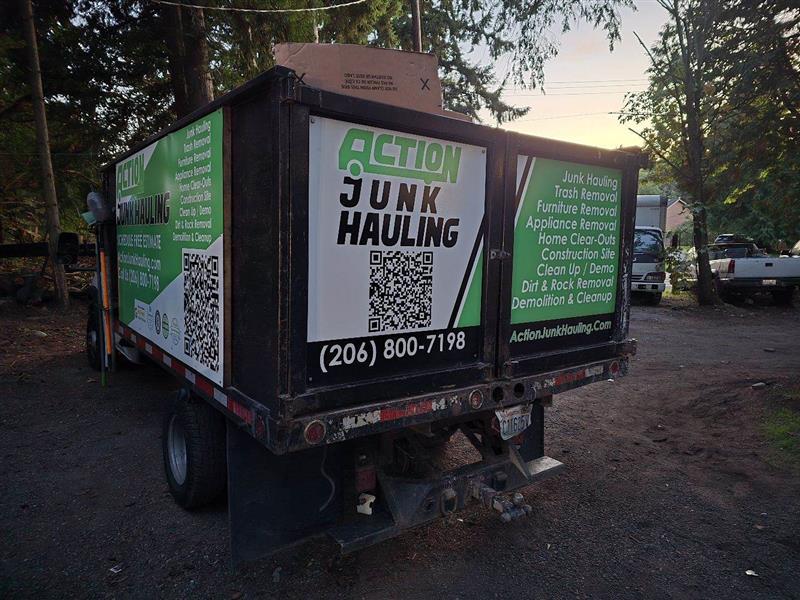
Concrete and brick components present specific difficulties when taken out of regular residential waste, often the result of building, demolition, or restoration efforts. These heavy and large materials need particular treatment to guarantee environmental compliance as well as safety. Therefore, not only is it a necessity but also a comfort to use expert garbage removal services especially suited for handling such a big volume of trash. These businesses promise that the heavy garbage is moved and handled in compliance with local and national rules since they have the necessary means, vehicles, and knowledge to correctly and successfully manage concrete and brick. Their specific approach guards the cleaned area as well as the surrounding environment. Particularly businesses in the building sector and homes looking for continual junk Removal in shoreline would gain from this information.

Implementing Specialized Tools

Dealing with concrete and brick waste calls for much more than a pickup truck. Professional waste removal firms employ specifically designed instruments designed for heavy lifting and movement of large materials. This covers roll-off containers and heavy-duty dump vehicles, usually skid-steer loaders or mini excavators for more volume. One can also employ instruments such as jackhammers, concrete saws, and specialized dollies for breaking down and moving difficult parts. Appropriate tools ensure that the material might be safely loaded and transported without violating property or generating worker damage. Appropriate tools ensure efficient and safe disposal of even the toughest demolition waste, so this cost is justified.

Following regulations

Dealing with brick and concrete first draws focus on trash disposal compliance. Professional garbage disposal companies know municipal, state, and sometimes federal rules. They promise perfect material sorting, ownership of all necessary licenses, and transportation to approved recycling centers or landfills. Following guidelines helps the property owner to prevent legal issues and significant fines so ensure that the process is compliant all through. Tight application of these regulations guarantees effective junk removal in shoreline.

Waste Environmentally Sensible

By landfilling concrete and brick trash, one lowers dumping capacity, thereby maybe having long-term environmental consequences. One significant concern about the impact of these items on the surroundings is there from landfills in anyplace practical, conscientious waste removal firms give different concrete and brick great value. These materials are highly recyclable; bricks can usually be kept for use or ground down for fill; concrete may be crushed and used as road base or aggregate for the next building projects. By reducing the demand for virgin materials and therefore the environmental impact, professional services working with recycling facilities help to encourage sustainable practices. This commitment to recycling by actionjunkhauling suits more general goals of environmental preservation.

Simplified Procedures: Benefits

Using a professional service for brick and concrete removal really helps to simplify things. Professionals run everything instead of people or establishing teams losing valuable time and effort on waste control. This involves careful editing, loading, disposal, and heavy lifting. This efficacy allows project managers and homeowners to focus on other aspects of their work or remodeling, therefore saving time, effort, and risk of damage. The simplicity of a dedicated service such as actionjunkhauling immediately yields a faster, less strenuous cleanup experience.

As businesses in North Dakota continue to modernize and scale, many are turning to Managed IT Services in Fargo, ND to gain a competitive edge. Whether you’re a small startup or an established enterprise, having the right IT infrastructure is essential for day-to-day operations, data security, and long-term growth.

Partnering with a local IT company in Fargo can help you reduce operational costs, improve productivity, and minimize downtime — all while staying protected against ever-evolving cyber threats.

Why Choose Local IT Services in Fargo, ND?

Fargo is home to a growing business community across industries like finance, healthcare, manufacturing, and logistics. These sectors rely heavily on IT systems to manage sensitive data, support communications, and streamline internal processes.

By choosing IT services in Fargo, ND, businesses gain access to:

  • On-site and remote IT support
  • Fast response times from local technicians
  • Customized solutions tailored to regional regulations and industries
  • Scalable service packages that grow with your company

Local providers understand the unique needs of North Dakota businesses and offer personalized support that large, out-of-state vendors often lack.

What Do Managed IT Services Include?

A reputable IT company in Fargo will offer a full suite of services designed to keep your systems running smoothly and securely. These typically include:

  • 24/7 Network Monitoring: Detect issues before they impact your business.
  • Cybersecurity Solutions: Firewall management, endpoint protection, and threat detection.
  • Cloud Services: Secure cloud hosting, backups, and migration support.
  • Data Backup & Disaster Recovery: Ensure business continuity in case of hardware failure or data loss.
  • Help Desk Support: Fast technical assistance for your staff, remote or on-site.
  • Hardware & Software Management: Lifecycle tracking, updates, and procurement.

With managed IT services, you can focus on growing your business while your IT provider handles the technology behind it.

The Importance of Reliable IT Support in Fargo, ND

Unexpected tech issues can bring business to a halt. With professional IT support in Fargo, ND, you get proactive and reactive help when it matters most.

Whether it’s a network outage, email issue, or cybersecurity alert, having a dedicated support team ensures:

  • Minimal downtime
  • Rapid issue resolution
  • Better end-user experience for your team
  • Improved data protection and compliance

Choosing the Right IT Company in Fargo

When evaluating a potential IT partner, look for the following:

  • Experience with businesses in your industry
  • Positive local reputation and client testimonials
  • Certified technicians and up-to-date tools
  • Flexible contracts and transparent pricing
  • Proven track record with IT services in Fargo, ND

The right IT company will not only fix problems but help you plan and optimize your entire tech strategy.

As digital demands grow, outsourcing your tech management to a trusted provider of Managed IT Services in Fargo, ND is a smart move. From daily support to long-term infrastructure planning, local IT experts ensure that your business stays productive, secure, and ready for future challenges.

Whether you need reliable IT support in Fargo, ND, full-service network management, or strategic consulting, partnering with a skilled IT company in Fargo is the key to IT confidence and business success.

In today’s fast-paced and interconnected world, elevating customer experience has become one of the most critical differentiators for businesses. No longer is it enough to offer a good product or service. Success now hinges on how well a company meets and exceeds customer expectations at every touchpoint. As industries evolve and competition intensifies, the companies that prioritize customer experience are the ones most likely to build loyalty, drive growth, and stand the test of time.

Understanding the Modern Customer

Today’s customers are more informed, empowered, and discerning than ever before. Easy access to information allows consumers to compare brands, read reviews, and switch allegiance if their expectations are not met. They seek not only quality but also seamless interactions, personalized attention, and emotional connection. Elevating customer experience means recognizing that buyers are no longer passive recipients—they are active participants in shaping brand narratives.

A critical first step in improving customer experience is understanding customer journeys. Mapping out these journeys helps businesses see things from the customer’s perspective, identifying pain points and opportunities for enhancement. By adopting a customer-centric mindset, companies can design services and interactions that feel intuitive, responsive, and meaningful.

The Emotional Dimension of Customer Experience

While efficiency and convenience are important, emotional engagement often makes the most lasting impact. Research consistently shows that customers who feel an emotional connection to a brand are far more likely to remain loyal and recommend the brand to others.

Elevating customer experience, therefore, involves creating emotional resonance. Brands achieve this by being authentic, transparent, and empathetic. Whether it’s resolving an issue with genuine concern or celebrating customer milestones, businesses that connect emotionally position themselves for enduring success.

Training employees to exhibit empathy, developing emotionally intelligent communication strategies, and offering personalized recognition are all ways businesses can create stronger emotional bonds with their clientele.

Personalization: Meeting Customers Where They Are

Generic approaches are quickly becoming obsolete. Personalization is no longer a luxury; it is an expectation. Customers want to feel seen, understood, and valued. This can range from addressing customers by name in communications to offering product recommendations based on past behavior.

However, personalization must be balanced carefully with privacy concerns. Transparent data practices and respectful use of information are crucial. Customers are willing to share their preferences when they trust that businesses will use the data responsibly to improve their experience.

Investing in advanced customer relationship management (CRM) systems, utilizing data analytics to glean insights, and empowering front-line employees with information to better serve individual needs are effective ways of elevating customer experience through personalization.

The Role of Technology in Customer Experience

Technology is both an enabler and a disruptor of customer experience. Tools such as artificial intelligence, chatbots, self-service portals, and mobile apps can dramatically enhance convenience and accessibility. They allow businesses to offer 24/7 support, instantaneous information, and frictionless transactions.

Yet technology must enhance, not replace, the human touch. Automated systems that fail to escalate complex issues to human representatives can lead to frustration. Smart companies deploy technology strategically—to streamline routine interactions while preserving opportunities for personalized, human engagement when it matters most.

Omnichannel integration is another critical technological strategy. Customers expect consistent experiences across all channels—whether in-store, online, via mobile apps, or on social media. Ensuring that each interaction is connected and coherent strengthens trust and satisfaction.

Proactive Service: Anticipating Needs Before They Arise

A hallmark of excellent customer experience is anticipating needs rather than merely reacting to them. Proactive service transforms good experiences into memorable ones. This could involve notifying customers of a potential issue before they encounter it, suggesting helpful add-ons based on their purchase history, or simply reaching out to gather feedback.

Predictive analytics and machine learning play a growing role in proactive service strategies. By analyzing patterns and behaviors, companies can forecast future needs and tailor their offerings accordingly.

Moreover, proactive communication—updating customers about their order status, explaining changes, or even apologizing before a problem escalates—goes a long way in building credibility and loyalty.

Employee Engagement: The Hidden Driver of Customer Experience

Employees are the face of the company. Their attitude, knowledge, and commitment directly impact how customers perceive the brand. Therefore, elevating customer experience must begin internally by cultivating a positive employee experience.

Engaged employees are more likely to go above and beyond for customers. They feel invested in the company’s mission and take pride in delivering outstanding service. Businesses that invest in employee development, recognize achievements, and foster inclusive, supportive cultures reap the rewards in customer satisfaction.

Leadership plays a pivotal role. Managers who model customer-centric values, support frontline staff, and provide clear communication set the tone for an organizational culture centered around service excellence.

Listening and Adapting: The Power of Customer Feedback

Continuous improvement is essential to maintaining a high level of customer experience. Feedback is a vital tool in this process. Customers offer invaluable insights into what is working and what needs adjustment.

Gathering feedback should be systematic and multi-channeled—through surveys, reviews, focus groups, and social media monitoring. However, the true power lies not just in collecting feedback, but in acting on it.

Companies that close the feedback loop—informing customers how their input led to specific improvements—demonstrate respect and responsiveness. This enhances loyalty and encourages continued engagement.

Moreover, feedback should not only be used to fix problems but to inspire innovation. New product features, service offerings, or entirely new approaches often originate from listening closely to customer suggestions and concerns.

Creating Memorable Moments

In a crowded marketplace, memorable moments set brands apart. These are the small but powerful gestures that delight customers and exceed their expectations.

Whether it’s a handwritten thank-you note, a surprise upgrade, or resolving an issue faster than anticipated, small acts of thoughtfulness can turn satisfied customers into brand advocates. Companies that empower their employees to create these moments organically often outperform those that rely solely on rigid scripts or policies.

Memorable moments also build emotional capital. They are shared widely—both through word-of-mouth and on social media—helping brands extend their reach and reputation organically.

The Future of Customer Experience

Looking ahead, the importance of elevating customer experience will only grow. Emerging technologies like augmented reality, blockchain, and hyper-personalization promise new opportunities to innovate customer interactions.

However, the fundamental principles will remain unchanged: empathy, attentiveness, responsiveness, and authenticity will continue to form the foundation of exceptional customer experiences.

Sustainability is also becoming a key consideration. Customers increasingly expect companies to demonstrate ethical practices, social responsibility, and environmental stewardship. Businesses that integrate these values into their customer experience strategies will be better positioned to win and retain trust.

Finally, adaptability will be crucial. In an unpredictable world, businesses must stay flexible, embracing change and continually reimagining how they serve their customers.

Conclusion

Elevating customer experience is not a one-time initiative but an ongoing commitment. It requires businesses to view every interaction as an opportunity to create value, build relationships, and differentiate themselves.

By understanding customers deeply, fostering emotional connections, embracing technology thoughtfully, empowering employees, and continually seeking feedback, companies can craft experiences that resonate and endure.

In the end, businesses that master the art and science of customer experience are not just building better brands—they are building legacies.

Finding the perfect storage rack Singapore businesses can rely on represents more than a mere logistical decision—it embodies a fundamental relationship between space, efficiency, and economic vitality. Like cells organising themselves within the confines of biological tissue, the architecture of storage systems reveals a sophisticated language of spatial economics that few pause to consider in their daily operations.

The Evolution of Industrial Storage: From Chaos to Order

The history of storage systems mirrors our own human evolution—a gradual progression from disorganised accumulation towards elegant structural solutions. In Singapore’s compact urban landscape, this evolution has accelerated with particular urgency. The island nation’s limited geographical footprint has necessitated innovation in vertical thinking.

“The modern racking system represents one of the most significant spatial innovations in industrial history, particularly in land-scarce environments like Singapore,” notes a prominent industrial architect who specialises in warehouse optimisation.

The transformation has been profound. Where once goods were stacked haphazardly, creating dangerous conditions and inefficient retrieval systems, modern racking Singapore solutions offer a sophisticated matrix of accessibility, safety, and space maximisation. These are not mere shelves but complex spatial algorithms made physical.

The Biological Imperative of Organised Storage

What fascinates me about industrial storage systems is how closely they mirror biological organisational principles. Consider the following parallels:

  • Cellular Compartmentalisation: Just as cells use membrane-bound organelles to separate functions, modern storage systems use specialised zones for different types of inventory
  • Structural Hierarchy: From selective pallet racking to drive-in systems, storage solutions create hierarchies of access—prioritising frequently needed items while efficiently storing long-term inventory
  • Adaptive Response: The best systems allow for reconfiguration as needs change, much like biological systems adapt to environmental pressures
  • Energy Efficiency: Well-designed storage systems minimise movement and effort, conserving the organisational equivalent of cellular energy

“In Singapore’s industrial ecosystem, efficient racking isn’t merely about storage—it’s about creating breathing room for a business to evolve and respond to market conditions with agility,” explains a warehouse management consultant with two decades of experience in the region.

The Science of Spatial Economics

The mathematics of storage efficiency reveals surprising complexity. A properly designed racking Singapore system can increase storage capacity by 40-60% compared to floor stacking, while simultaneously improving inventory tracking and reducing product damage. This represents not merely a quantitative improvement but a qualitative transformation of the business organism.

What factors determine the optimal configuration? Consider these critical variables:

  • Building dimensions and structural limitations
  • Weight and dimensions of stored items
  • Frequency of access requirements
  • Inventory turnover patterns
  • Safety regulations and compliance requirements
  • Equipment constraints (forklift reach, aisle width requirements)
  • Ambient conditions (temperature, humidity, dust levels)
  • Future growth projections and scalability needs

The selection process requires both analytical precision and intuitive understanding of operational patterns—a blend of science and art that defines truly excellent industrial design. Much like an oncologist must consider both cellular pathology and the patient’s overall constitution, the storage architect must balance structural mechanics with the organic flow of business operations.

The Psychology of Organised Space

There exists, beyond the purely functional aspects of storage systems, a psychological dimension that warrants consideration. Workers in well-organised environments report higher satisfaction, reduced stress, and improved productivity. The human mind, it seems, responds to spatial order with cognitive clarity.

“The transformation I’ve witnessed in warehouse staff after implementing proper racking solutions is remarkable—there’s a measurable reduction in errors and a noticeable improvement in morale,” observes a logistics manager who oversaw a complete storage redesign for a major distribution centre in Singapore.

This psychological effect extends beyond the warehouse floor. When clients and stakeholders visit facilities with elegant, efficient storage solutions, their perception of the organisation itself undergoes a subtle but significant shift. Order in physical space translates to perceived competence and reliability.

The concept mirrors what neurobiologists call “environmental embodiment”—the theory that our surroundings become extensions of our cognitive apparatus. A meticulously arranged storage system functions as an external memory device, reducing cognitive load and freeing mental resources for higher-order thinking. In this sense, the humble rack becomes not merely a physical scaffold for goods, but a cognitive scaffold for human thought and action.

The Future of Industrial Storage

As we look toward tomorrow, several trends emerge on the horizon:

  • Automation Integration: Smart racking systems that communicate with automated retrieval systems
  • Vertical Innovation: Ever-higher storage configurations that maximise Singapore’s limited industrial real estate
  • Sustainable Materials: Eco-friendly racking options that reduce environmental impact
  • Data-Driven Optimisation: Using analytics to continuously refine storage configuration based on actual usage patterns

“The next generation of storage systems will be responsive, almost sentient in their ability to adapt to changing inventory needs,” predicts a technology consultant specialising in warehouse automation.

Conclusion: The Hidden Infrastructure of Commerce

We rarely contemplate the sophisticated systems that underpin our commercial existence. Like the silent, efficient organelles within our cells, the humble rack fades into the background of our awareness. Yet upon closer examination, we discover within these structures a profound expression of human ingenuity—our ability to impose order upon chaos, to maximise limited resources, and to create systems that amplify our productive capacity.

For businesses navigating Singapore’s competitive landscape, the strategic implementation of storage solutions represents not merely a logistical decision but a fundamental expression of organisational philosophy. The thoughtful selection of an appropriate industrial rack Singapore solution may well be among the most consequential decisions a growing enterprise can make.


Workplace safety has always been a core concern for businesses, but in 2025, it’s taking on a new shape. As industries accelerate their digital transformation and navigate economic pressure, the safety function is no longer just about compliance—it’s about leveraging intelligence to protect people, sustain productivity, and prepare for what’s ahead.

Organisations are increasingly moving away from reactive safety approaches, where issues are addressed only after an incident occurs. Instead, they are turning to real-time insights and predictive tools that help them stay ahead of potential risks. Artificial intelligence (AI), particularly when paired with computer vision and analytics, is driving this shift—and setting the pace for modern safety programmes.

Top Workplace Safety Trends in 2025

The following AI-driven trends are reshaping how companies think about and manage workplace risk:

  • Real-Time Hazard Detection: Advanced computer vision systems connected to CCTV cameras and sensors can now identify violations the moment they happen. From spotting missing PPE to detecting a person entering a restricted area, AI helps companies take immediate corrective action before incidents escalate.
  • Predictive Risk Profiling: AI platforms are leveraging historical safety data to anticipate where and when risks are likely to arise. By analysing trends across departments, shifts, and facilities, organisations can deploy interventions before incidents occur—transforming near misses into coaching opportunities.
  • Behaviour-Based Interventions: Instead of focusing solely on rules and penalties, forward-thinking organisations are using AI to identify patterns in unsafe behaviour. This enables supervisors to provide timely coaching, support safer habits, and foster a culture of accountability rather than fear.
  • Ergonomic and Posture Monitoring: With musculoskeletal disorders still among the leading causes of lost workdays, AI is being used to monitor body mechanics. Systems can detect repetitive movements, awkward postures, and overexertion, enabling companies to redesign tasks or rotate staff before injuries occur.
  • Transparent Compliance and Audit Readiness: Automated record-keeping and incident tracking through AI ensures that every event is documented with visual evidence and timestamps. This simplifies audit preparation, supports insurance claims, and reinforces credibility with regulators and stakeholders.

The Role of AI in Safety Culture

One of the most transformative effects of AI in workplace safety isn’t just about detection—it’s about culture. By surfacing patterns and highlighting risks objectively, AI helps build a workplace where safety conversations are rooted in data, not blame.

Instead of waiting for formal inspections or monthly reviews, teams have access to live dashboards that show how safety is trending in their environment. Managers can recognise positive behaviour, identify areas that need support, and create a more collaborative, continuous safety process.

Employees, too, gain confidence from knowing that oversight is fair, consistent, and designed to protect—not punish. This transparency fosters trust and increases participation in safety initiatives.

Industry Sectors Leading the Way

While AI safety tools are gaining traction across all industries, certain sectors are leading adoption due to their scale, complexity, and exposure to risk. These include:

  • Manufacturing: AI is used to detect PPE violations, monitor machinery interaction zones, and track ergonomic hazards on the assembly line.
  • Logistics and Warehousing: Computer vision helps reduce vehicle-pedestrian collisions, ensure safe forklift operation, and monitor traffic flow in busy distribution centres.
  • Construction: With ever-changing environments and high personnel turnover, AI provides dynamic monitoring of safety zones, fall protection compliance, and worker behaviour.
  • Food and Beverage: AI tools are helping ensure hygiene protocols, PPE adherence, and ergonomic risk mitigation in temperature-controlled and high-volume environments.

These industries are demonstrating that proactive safety not only prevents incidents—it also reduces downtime, improves morale, and contributes to long-term profitability.

Results That Matter

According to Protex AI’s workplace safety trends report, companies using AI-powered safety solutions are already seeing measurable improvements:

  • 41% reported fewer safety incidents after implementing real-time monitoring and coaching tools.
  • 36% improved PPE compliance rates, especially in zones where lapses were previously hard to monitor.
  • 29% saw higher employee engagement with safety programmes, from reporting hazards to participating in training.

These outcomes highlight the value of AI as more than a monitoring tool. It becomes a system for continuous improvement—one that turns every risk into a learning opportunity and every interaction into a chance to reinforce a culture of care.

Building for the Future

Looking ahead, AI safety systems will continue to evolve. We can expect to see tighter integration with wearables, digital twins, and smart facility systems that coordinate safety data with production, maintenance, and HR functions.

Predictive analytics will get smarter. AI models will use broader contextual data—weather conditions, shift fatigue profiles, and seasonal trends—to build even more accurate risk forecasts. This will allow organisations to pre-emptively schedule interventions, adapt policies, or redistribute resources based on real-time conditions.

Importantly, these tools won’t replace human judgement—they will enhance it. AI will free up safety professionals to focus on leadership, culture, and strategic planning, while automating the repetitive and reactive tasks that previously consumed their time.

As safety becomes more digital, it also becomes more connected—to people, performance, and purpose. Platforms like Protex AI’s workplace safety trends report illustrate just how powerful this transformation can be—for organisations ready to lead with insight rather than reaction.