Category

Business

Category

If there’s one thing businesses have learned from top marketing agencies like Spynr, it’s that e-mail marketing can be a powerful tool for laundromats to keep customers informed, engaged, and coming back regularly. Here are effective email marketing strategies to implement:

Build and Segment Your Email List

Start by building an email list of your customers. Collect email addresses through sign-up forms on your website, at the laundromat, or through promotions and events. Segment your list based on customer preferences, frequency of visits, or demographics to send targeted and personalized emails.

Welcome Emails

Send a warm welcome email to new subscribers or customers who sign up for your email list. Introduce your laundromat, highlight key services and amenities, and provide a special offer or discount as a thank-you for subscribing.

Promote Special Offers and Discounts

Use email campaigns to announce and promote special offers, discounts, or seasonal promotions at your laundromat. Include compelling subject lines and clear calls-to-action to encourage recipients to visit and redeem the offer.

Highlight New Services and Upgrades

Inform customers about any new services, equipment upgrades, or facility improvements at your laundromat. Showcase how these updates benefit customers, such as faster machines, eco-friendly detergents, or improved amenities.

Educational Content

Share valuable tips and tricks related to laundry care, stain removal, machine maintenance, or ways to optimize their laundromat experience. Providing useful information positions your laundromat as an expert and keeps customers engaged with your emails.

Customer Stories and Testimonials

Feature customer stories, testimonials, or case studies in your emails to build social proof and credibility. Highlight positive experiences or feedback from satisfied customers to encourage trust and loyalty among your email subscribers.

Community Engagement

Share updates about community events, sponsorships, or partnerships involving your laundromat. Engage customers by inviting them to participate in local initiatives or charity drives hosted at your facility.

Seasonal Tips and Reminders

Send seasonal emails with relevant tips, reminders, or promotions tailored to seasonal trends. For example, offer tips on winter garment care, spring cleaning specials, or summer vacation laundry tips to meet changing customer needs.

Exclusive Offers and Rewards

Reward loyal customers with exclusive offers, rewards, or sneak peeks of upcoming promotions. Show appreciation for their continued patronage and encourage repeat visits with personalized incentives.

Regular Updates and Announcements

Keep customers informed about operational changes, holiday hours, or any important updates affecting your laundromat. Clear communication helps maintain customer satisfaction and reduces potential confusion.

Mobile Optimization

Ensure your emails are mobile-friendly, as many customers may check their emails on smartphones or tablets. Optimize email layouts, fonts, and images for easy readability and navigation on mobile devices.

Measure and Optimize Performance

Track key metrics such as open rates, click-through rates, conversion rates, and unsubscribe rates to gauge the effectiveness of your email campaigns. Use A/B testing to experiment with different subject lines, content formats, or send times to optimize performance.

Wrapping It Up

Make sure you regularly evaluate and refine your email campaigns based on customer feedback and analytics to drive continued success and growth.

Urban construction projects are integral to city development, yet they come with many challenges, especially regarding dust control. The proximity to residential and commercial areas and strict regulatory requirements make dust control a critical aspect of urban construction. Addressing these challenges requires a multifaceted approach incorporating effective dust containment, regulatory compliance, and adaptive dust control strategies.

Here are several dust control challenges faced in urban construction projects and the effective solutions to address them.

High population density and proximity to sensitive areas

The leading challenges in urban construction are the high population density and proximity to sensitive areas such as schools, hospitals, and residential places. Dust generated from construction activities can adversely affect workers health, causing respiratory issues and other health problems. Moreover, dust can infiltrate homes and businesses, leading to complaints and potential legal action. To address this, construction projects must implement robust dust containment measures. Erecting physical barriers like fences, tarps, or temporary walls around the construction site can significantly reduce the spread of dust. Utilizing dust suppression techniques on bosstek.com, or even regularly spraying water on exposed surfaces can also help keep dust levels under control. These measures ensure that dust is contained within the site, minimizing its impact on the surrounding community.

Regulatory compliance

Urban construction projects are subject to stringent regulatory standards aimed at protecting public health and the environment. Compliance with these regulations can be challenging, especially when dealing with fluctuating weather conditions and varying stages of construction. To navigate these challenges, construction managers should develop a comprehensive dust control plan that aligns with local regulations. This plan should include regular monitoring of dust levels using real-time air quality sensors and maintaining detailed records of dust control activities. By staying proactive and transparent, construction projects can demonstrate their commitment to regulatory compliance and community well-being.

Limited space for dust control equipment

Urban construction sites often face space constraints, making it difficult to deploy large-scale dust control equipment. The limited space also restricts the movement of vehicles and machinery, increasing the likelihood of dust generation. These constraints necessitate innovative solutions to manage dust effectively without compromising the site’s operational efficiency. One solution is to use compact, mobile dust control units that can be easily moved around the site as needed. These units, equipped with misting systems or fog cannons, can effectively suppress dust without occupying much space. Additionally, implementing dust control measures at the source, such as using dust-collection systems on cutting and grinding tools, can significantly reduce dust emissions. This targeted approach ensures that dust control is effective even in space-constrained environments.

Environmental conditions

Weather conditions, such as wind and rain, can significantly impact dust control efforts. Wind can carry dust particles over long distances, exacerbating the spread of dust in urban areas. Conversely, rain can create muddy conditions that hinder construction activities and lead to secondary dust issues when the soil dries. To mitigate the effects of environmental conditions, construction sites should employ adaptive dust control strategies. For instance, during windy conditions, increasing the frequency of water spraying and using windbreaks or barriers can help reduce dust dispersion. By continuously adapting to changing weather conditions, construction projects can maintain effective dust control throughout the project’s duration.

Dust control in urban construction projects presents a unique set of challenges. Therefore, by implementing the right solutions, construction projects can minimize dust-related issues and protect public health. Additionally, the use of effective dust control not only ensures regulatory compliance but also enhances the overall success of urban construction projects.

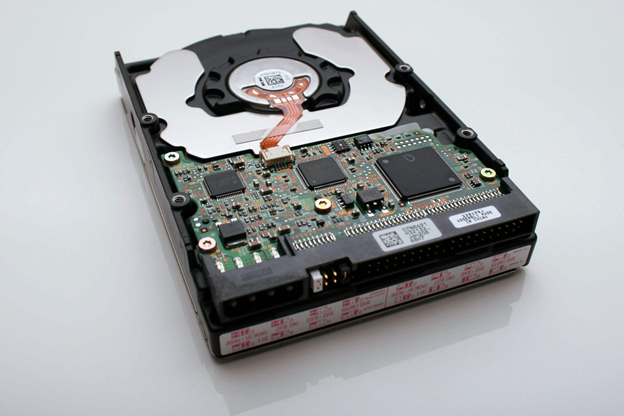
In today’s digital age, data is king. Every click, purchase, and interaction generates valuable information that fuels businesses. However, with this ever-growing mountain of information comes a critical question: how do you manage and dispose of it responsibly? This is where two crucial services come to the forefront – managed IT support services and secure hard drive destruction.

The Organized Advantage: Managed IT Support Services

Imagine a business overflowing with unlabeled boxes filled with outdated documents. This chaos can easily translate to the digital realm. Unorganized data storage creates inefficiencies, hinders productivity, and increases the risk of security breaches. Managed IT support services act as your digital janitorial crew, streamlining your data landscape.

These services offer a comprehensive approach to data management. From data organization and backup solutions to user training and security protocols, managed IT support services ensure your data is secure, accessible, and utilized effectively. This includes:

  • Data Backup and Recovery: A robust backup plan safeguards your data from accidental deletion, hardware failure, or cyberattacks. The managed it support services ensure regular backups are performed and readily available for swift recovery when needed.
  • Data Security Measures: Cybersecurity threats are ever-evolving. Managed IT professionals implement firewalls, malware detection software, and access controls to create a secure digital environment for your business.
  • Network Optimization: A well-organized and optimized network ensures smooth and efficient data flow.

By outsourcing your IT needs to a managed service provider, you gain access to expertise and resources without the burden of maintaining an in-house IT team. This allows you to focus on your core business activities while ensuring your data is managed effectively.

The Clean Break: Secure Hard Drive Destruction

Data security doesn’t end with simply backing up your information. When electronic devices reach their end-of-life, traditional disposal methods like throwing them away or wiping the hard drive are not enough. Residual data can still be retrieved by unauthorized individuals posing a serious security risk. This is where secure hard drive destruction comes into play.

Secure hard drive destruction utilizes specialized techniques to permanently erase data from storage devices. These services offer peace of mind by:

  • Compliance with Regulations: Many industries, such as healthcare and finance, have strict data disposal regulations. Secure hard drive destruction ensures your business adheres to these regulations and avoids hefty fines for non-compliance.
  • Environmental Responsibility: Traditional disposal methods can contribute to environmental hazards. Secure hard drive destruction companies often recycle the physical components of the devices responsibly.
  • Protection Against Data Theft: With sophisticated data recovery techniques readily available, a simple wipe of the hard drive is not enough. Secure hard drive destruction ensures your confidential data is rendered permanently inaccessible.

By partnering with a secure hard drive destruction service, you can confidently dispose of outdated or obsolete equipment while safeguarding your sensitive information.

The Synergy: A Winning Combination

Managed IT support services and secure hard drive destruction work hand-in-hand to create a comprehensive data security strategy. Managed IT support helps you organize and manage your data effectively, while secure hard drive destruction ensures its safe and responsible disposal when the time comes.

This combined approach offers numerous benefits:

  • Enhanced Security: By implementing robust data management practices and secure disposal methods, you significantly reduce the risk of data breaches and unauthorized access to sensitive information.
  • Improved Business Continuity: With your data properly backed up and secure, your business can recover quickly from unexpected events such as hardware failures or natural disasters.
  • Peace of Mind: Knowing your data is well-managed and securely disposed of allows you to focus on running your business with confidence.

In conclusion, neglecting data management and disposal can have serious consequences. By embracing the combined power of managed IT support services and secure hard drive destruction, you can keep your data organized, secure, and compliant, allowing your business to thrive in the digital age.

In the dynamic world of business, the physical workplace plays a crucial role in shaping employee morale and productivity. An effective facilities management company can revolutionize work environments, transforming them into spaces that foster innovation, collaboration, and well-being. This article delves into the ways in which facilities management can enhance workplace design and functionality, thereby boosting both morale and productivity.

Understanding the Impact of Physical Workspaces

Influence on Employee Well-being

The layout, design, and overall condition of a workplace significantly impact employee well-being. Facilities management plays a vital role in ensuring that work environments are not only aesthetically pleasing but also physically and psychologically comfortable. This includes managing air quality, lighting, noise levels, and even the color schemes used, all of which influence mood and cognitive function.

Enhancing Productivity

A well-managed facility can greatly enhance productivity. This involves ergonomic office designs that reduce physical strain, efficient spatial layouts that facilitate smooth workflows, and the integration of technology that complements human activities. A thoughtfully designed office can minimize distractions and streamline processes, enabling employees to work more efficiently.

Best Practices in Workplace Design

Flexible Workspaces

One of the key trends in modern office design is the move towards flexible workspaces. Facilities management companies can implement flexible, modular layouts that can be easily reconfigured to suit different tasks and team sizes. This adaptability not only utilizes space more efficiently but also supports a more dynamic and collaborative working style.

Break and Relaxation Zones

Creating designated areas for relaxation and informal interaction can significantly improve morale and mental health. Facilities managers can design these spaces to be inviting and relaxing, with comfortable seating, natural lighting, and elements of nature such as plants or water features. These zones provide employees with a space to rejuvenate, leading to increased creativity and reduced burnout.

Implementing Smart Building Technologies

Building Automation Systems

Modern facilities management increasingly relies on building automation systems that control heating, ventilation, air conditioning, and lighting. These systems optimize the indoor environment for comfort and energy efficiency, automatically adjusting settings based on occupancy and weather conditions. Such automation not only enhances comfort but also reduces the building’s environmental footprint.

IoT and Real-time Data

The Internet of Things (IoT) offers exciting opportunities for facilities management. IoT devices can collect real-time data on various aspects of the building’s use and environmental conditions, allowing facilities managers to make immediate adjustments. For example, IoT sensors can monitor room usage to optimize heating and cooling distribution or track foot traffic to help design more efficient office layouts.

Focusing on Environmental Sustainability

Green Initiatives

Facilities management can lead the way in implementing green initiatives within the workplace. This can range from simple measures like increasing recycling bins and using eco-friendly cleaning products to more significant steps like installing solar panels or green roofs. Such initiatives not only contribute to corporate social responsibility goals but also create a healthier workplace environment that can boost employee morale.

Sustainable Materials and Resources

Choosing sustainable materials and resources for office furnishings, building materials, and consumables is another way facilities management can impact workplace morale and productivity. Using non-toxic, environmentally friendly materials improves indoor air quality and demonstrates a company’s commitment to sustainability, enhancing its image among employees and visitors alike.

Cultivating a Maintenance Culture

Regular Upkeep and Responsive Repairs

Regular maintenance is crucial to ensure that workplace facilities remain functional and aesthetically pleasing. Facilities management should establish a routine for regular inspections and swift repairs to address any issues before they can affect workplace comfort or safety.

Communication and Feedback

Effective facilities management also involves open communication channels between the management team and the employees. Regularly soliciting feedback about the physical workspace and responding to it not only helps in making necessary adjustments but also makes employees feel valued and listened to.

Conclusion

Revamping a workspace through effective facilities management can lead to significant improvements in employee morale and productivity. By focusing on flexible designs, smart technologies, environmental sustainability, and a culture of maintenance and feedback, facilities management companies can transform workplaces into environments that inspire and energize. As work dynamics continue to evolve, the role of facilities management in creating adaptive and supportive workspaces becomes more crucial, directly impacting the success and well-being of organizations.

In the bustling world of food service and hospitality, efficient refrigeration is not just a convenience but a necessity. Three-door reach-in commercial fridges have become indispensable tools in kitchens, supermarkets, and other food-related businesses due to their capacity, functionality, and reliability. This article explores the key features and benefits that make these refrigeration units essential in commercial environments.

Capacity and Storage Efficiency

One of the standout features of three door reach in commercial fridge is their ample storage capacity. Designed to accommodate a large volume of perishable items, these units typically offer spacious interiors divided into multiple sections. This allows for organized storage of different types of food products, from fresh produce and dairy to beverages and prepared meals. The layout often includes adjustable shelves or racks, providing flexibility in storage arrangements to optimize space utilization according to specific needs.

Temperature Control and Uniformity

Maintaining consistent and appropriate temperatures is critical in preserving food freshness and quality. Three-door reach-in fridges are equipped with advanced temperature control systems that ensure uniform cooling throughout the interior. This helps in preventing hot spots and maintaining an ideal environment for perishable goods. Some models may also feature digital temperature displays and controls, allowing precise adjustment and monitoring of internal conditions.

Energy Efficiency

In the realm of commercial refrigeration, energy efficiency is paramount both for cost savings and environmental sustainability. Many modern three-door reach-in fridges are designed with energy-efficient components such as LED lighting, improved insulation, and high-performance compressors. These features not only reduce energy consumption but also contribute to lower operational costs over the lifespan of the appliance.

Durability and Build Quality

Commercial kitchens demand equipment that can withstand rigorous daily use. Three-door reach-in fridges are typically constructed from robust materials such as stainless steel for the exterior and interior surfaces. This not only enhances durability but also facilitates easy cleaning and maintenance, crucial for maintaining hygiene standards in food handling environments. Additionally, sturdy hinges, handles, and door seals ensure reliable operation even under heavy usage.

Accessibility and Ergonomics

The design of three-door reach-in fridges emphasizes accessibility and ease of use in busy kitchen settings. Ergonomically positioned doors, often equipped with self-closing mechanisms, facilitate quick access to stored items without compromising temperature stability. Some models may feature ergonomic handles and smooth-gliding drawers or shelves, enhancing convenience for kitchen staff during food preparation and service.

Versatility and Adaptability

From restaurants and hotels to grocery stores and healthcare facilities, the versatility of three-door reach-in fridges makes them suitable for various commercial applications. They can be used to store a wide range of perishable items, including fresh produce, beverages, meats, and prepared meals. Adjustable shelving and compartments further enhance their adaptability, allowing businesses to customize storage configurations based on specific inventory requirements.

Compliance with Food Safety Standards

Meeting stringent food safety regulations is non-negotiable in the food service industry. Three-door reach-in fridges are designed to comply with health and safety standards, including maintaining proper temperature ranges for food storage and minimizing the risk of cross-contamination. Many models are NSF-certified (National Sanitation Foundation), indicating adherence to industry benchmarks for sanitation and food handling practices.

Noise Reduction and Operational Quietness

In environments where noise levels can affect customer experience or workplace comfort, the operational quietness of three-door reach-in fridges is advantageous. Manufacturers often incorporate noise-reduction technologies and insulated compressor compartments to minimize operational noise without compromising cooling efficiency. This feature is particularly beneficial in open kitchen layouts or customer-facing areas where noise pollution is a concern.

Integration with Smart Technologies

As technology evolves, so does the functionality of commercial refrigeration equipment. Some advanced models of three-door reach-in fridges may offer integration with smart technologies. This includes features such as remote monitoring capabilities, alert systems for temperature deviations, and energy usage analytics. These smart functionalities empower businesses with real-time insights and proactive maintenance options, ensuring optimal performance and reliability.

Conclusion

Three-door reach-in commercial fridges represent a pinnacle of refrigeration technology tailored for demanding commercial environments. Their robust construction, ample storage capacity, precise temperature control, and energy efficiency make them indispensable assets in kitchens, supermarkets, and various food service establishments. By investing in these refrigeration units, businesses can enhance food safety, operational efficiency, and overall customer satisfaction, reinforcing their role as essential tools in the modern food industry.

In today’s fast-paced world of commerce, distribution centers play a crucial role in the supply chain. These facilities serve as the backbone of efficient product movement, from manufacturers to retailers and ultimately to consumers. Designing an effective distribution center requires careful planning, expertise, and a deep understanding of logistics processes.

Key Elements of Distribution Center Design

Layout and Flow

The layout of a distribution center is paramount to its efficiency. A well-designed floor plan optimizes the flow of goods, minimizing travel time and reducing the risk of bottlenecks. Distribution center architect Stendel + Reich and other experts in the field focus on creating layouts that facilitate smooth operations from receiving to shipping.

Storage Systems

Choosing the right storage systems is critical for maximizing space utilization and improving order fulfillment speed. Options include:

  1. Pallet racking
  2. Mezzanines
  3. Automated storage and retrieval systems (AS/RS)
  4. Carousels and vertical lift modules

The selection depends on factors such as product types, inventory turnover, and required picking speeds.

Material Handling Equipment

Efficient movement of goods within the facility relies on appropriate material handling equipment. This may include:

  • Forklifts
  • Conveyors
  • Automated guided vehicles (AGVs)
  • Robotic systems

The choice of equipment should align with the storage systems and overall layout design.

Importance of Efficient Distribution Center Design

Cost Reduction

A well-designed distribution center can significantly reduce operational costs. By optimizing space utilization and improving process efficiency, companies can lower labor costs, minimize inventory holding costs, and reduce energy consumption.

Improved Order Fulfillment

Efficient design leads to faster and more accurate order processing. This results in improved customer satisfaction and can give businesses a competitive edge in the market.

Scalability

A thoughtfully designed distribution center should accommodate future growth. Flexible layouts and modular systems allow for easy expansion or reconfiguration as business needs evolve.

Design Considerations for Modern Distribution Centers

Automation Integration

As technology advances, integrating automation into distribution center design becomes increasingly important. This may include automated sorting systems, robotic picking, and AI-driven inventory management.

Sustainability

Modern distribution centers often incorporate sustainable design elements, such as energy-efficient lighting, solar panels, and water conservation systems. These features not only reduce environmental impact but can also lead to long-term cost savings.

Employee Comfort and Safety

Designing with employee well-being in mind is crucial. This includes ergonomic workstations, adequate lighting, climate control, and clear traffic lanes for both pedestrians and equipment.

Technology Infrastructure

A robust IT infrastructure is essential for modern distribution centers. This includes wireless networks, real-time inventory tracking systems, and integration with warehouse management software (WMS).

The Role of Specialized Architects

Designing an efficient distribution center requires specialized knowledge and experience. Firms like Stendel + Reich bring expertise in logistics processes, building codes, and industry best practices to the table. These architects work closely with clients to understand their specific needs and create custom solutions that optimize operations.

Conclusion

Mastering the distribution center blueprint is a complex but crucial task in today’s competitive business landscape. By focusing on efficient layout, appropriate storage and handling systems, and forward-thinking design considerations, companies can create distribution centers that not only meet current needs but are also prepared for future challenges. Working with experienced architects and planners is key to achieving a design that maximizes efficiency, reduces costs, and supports long-term business growth.

In Texas, as a non-subscriber, exploring workers’ compensation options demands a strategic approach. Occupational accident plans and private benefit plans offer customized coverage, but beware of exclusions like pre-existing conditions or self-inflicted injuries. Employer liability coverage lets you tailor protection for your specific needs, managing financial obligations effectively. Third-party administrator services streamline claims and compliance, reducing the financial impact. Legal considerations are essential; non-compliance can lead to hefty consequences. Implementing safety protocols and seeking legal guidance are vital steps. Make sure you understand these options fully to safeguard employees and your business.

Texas Non-Subscriber Occupational Accident Plans

If you choose not to subscribe to workers’ compensation in Texas, you can consider Texas Non-Subscriber Occupational Accident Plans to provide coverage for workplace injuries. These plans offer customizable options tailored to your specific needs.

However, it’s important to understand the coverage exclusions that may apply. Common exclusions in these plans may include pre-existing conditions, self-inflicted injuries, and injuries resulting from drug or alcohol use.

Private Occupational Injury Benefit Plans

Consider exploring Private Occupational Injury Benefit Plans as a robust alternative to traditional workers’ compensation coverage in Texas. These plans offer flexibility in benefit exclusions and coverage limitations, allowing employers to tailor coverage to their specific needs.

Plan customization is a key feature, enabling employers to design a benefits package that aligns with their budget and risk tolerance. Moreover, involving employees in the process can lead to increased engagement and satisfaction with the benefits provided.

Employer Liability Coverage Options

When exploring employer liability coverage options in Texas, it’s essential to understand the nuances of each plan to make an informed decision that aligns with your company’s risk management strategy.

Customized coverage options allow you to tailor the protection to fit your specific needs, ensuring that you have the right level of coverage for your employees.

By choosing cost-effective solutions, you can manage your financial obligations while still providing adequate protection for your workers. These options can help mitigate potential legal risks and financial burdens associated with workplace injuries.

Carefully evaluating the available plans and selecting the most suitable one for your business can lead to a more secure and efficient work environment.

Third-Party Administrator Services for Non-Subscribers

To enhance your understanding of workers’ compensation options as a non-subscriber in Texas, it’s vital to evaluate the benefits of utilizing Third-Party Administrator services for efficient claims management and compliance.

Third-Party Administrators (TPAs) play an essential role in handling claims management processes effectively. TPAs can assist in streamlining the claims process, guaranteeing timely communication with all parties involved, and maintaining compliance with regulatory requirements.

By outsourcing claims management to a TPA, you can focus on your core business activities while experts handle the complexities of workers’ compensation claims. Moreover, TPAs specialize in risk mitigation strategies, which can help reduce the financial impact of workplace injuries and legal disputes.

Leveraging TPA services can improve efficiency, reduce costs, and ensure compliance with legal obligations.

Legal Considerations for Non-Subscribers

Legal compliance is vital for non-subscribers in Texas when maneuvering through the intricacies of workers’ compensation regulations. Failing to adhere to the legal implications can have severe financial implications for companies operating without workers’ compensation insurance. Non-subscribers must carefully consider risk management strategies to mitigate potential liabilities in the event of workplace injuries.

Understanding compliance requirements is essential to avoid legal repercussions and financial burdens. Implementing robust safety protocols, providing adequate training, and maintaining detailed records are essential components of effective risk management for non-subscribers.

Seeking legal guidance to navigate the complex legal landscape surrounding workers’ compensation in Texas can help non-subscribers proactively address potential issues and safeguard their businesses from costly legal disputes.

Conclusion

To sum up, when considering workers’ compensation options as a non-subscriber in Texas, it’s important to explore all available resources and choose the best fit for your company.

Just like a skilled craftsman selects the perfect tool for the job, selecting the right coverage and services can safeguard your business and employees in case of occupational accidents.

Make informed decisions and prioritize the well-being of your workforce to guarantee a successful and secure future.

Navigate Texas workers’ compensation by meeting eligibility criteria and securing medical evidence promptly. Covered injuries entitle you to medical care, lost wage compensation, and disability benefits based on severity and income. Initiate claims with the Texas Department of Insurance, ensuring accuracy for swift processing. Benefit from vocational rehabilitation and alternative employment options upon approval. In case of disputes, follow mediation and administrative hearings for resolution. Understanding these aspects is essential; further insights await for a thorough understanding of Texas workers’ compensation.

Eligibility Requirements

To qualify for workers’ compensation in Texas, individuals must meet specific eligibility criteria outlined by state laws and regulations. This includes providing thorough medical documentation of the injury or illness sustained while on the job.

Income verification is important to determine the level of compensation you may be entitled to receive. In certain cases, legal representation may be necessary to navigate the complex process of filing a workers’ compensation claim.

Moreover, if the injury or illness affects your ability to return to your previous job, vocational rehabilitation services may be available to assist you in adapting to a new role.

Understanding and fulfilling these requirements is essential to guarantee a smooth and successful workers’ compensation claim process in Texas.

Covered Injuries and Illnesses

In addition, covered injuries and illnesses under Texas workers’ compensation laws encompass a range of work-related medical conditions that may entitle you to benefits and compensation.

If you sustain an injury or illness while performing your job duties, you may be eligible to receive medical treatment and rehabilitation services paid for by your employer’s workers’ compensation insurance.

Moreover, in Texas, income benefits are available to compensate you for a portion of your lost wages if your injury or illness causes you to miss work. The compensation rates for income benefits are determined based on factors such as the severity of your injury, your average weekly wage, and whether the injury results in a temporary or permanent disability.

Filing a Claim

When initiating the process to seek benefits and compensation for a work-related injury or illness in Texas, the first step is filing a claim with the Texas Department of Insurance, Division of Workers’ Compensation.

The claim process involves submitting a Form DWC-041, the Employee’s Claim for Compensation for a Work-Related Injury or Occupational Disease, to the Division. Along with the form, you’ll need to provide required documentation such as medical records, witness statements, and any other relevant evidence supporting your claim.

It’s essential to make sure that all necessary information is accurately completed and submitted promptly to avoid delays in the processing of your claim. Adhering to the guidelines for submitting the required documentation is vital for a successful claim process.

Benefits Available

Upon approval of your claim, you may be eligible for various benefits under the workers’ compensation system in Texas. Payment amounts are determined based on the severity of your injury and your average weekly wage. Eligibility criteria include being an employee covered by workers’ compensation insurance and sustaining an injury or illness related to work.

In addition to monetary benefits, you may also have access to rehabilitation services to aid in your recovery. These services can include physical therapy, occupational therapy, and other medical treatments necessary for your rehabilitation.

If your injury prevents you from returning to your previous job, vocational training may be provided to help you acquire new skills for alternative employment opportunities.

Dispute Resolution and Appeals

If you disagree with a decision made regarding your workers’ compensation claim in Texas, the dispute resolution and appeals process is available to address your concerns.

The first step in resolving a dispute is typically the mediation process, where a neutral third party assists in facilitating a resolution between you and the insurance company.

If mediation doesn’t lead to a satisfactory outcome, the next step is an administrative hearing. During the administrative hearing, an administrative law judge listens to both parties’ arguments and evidence before issuing a decision.

It’s important to follow the procedures outlined by the Texas Department of Insurance Division of Workers’ Compensation to safeguard your rights throughout the dispute resolution and appeals process.

Conclusion

Now that you have a clear understanding of workers’ compensation in Texas, you can navigate the process with confidence. Remember, if you find yourself injured on the job, you have the right to seek support and compensation.

Think of workers’ compensation as a safety net, ready to catch you if you fall. Stay informed, stay protected, and stay safe in the workplace.

To effectively manage your reputation, monitor online mentions diligently. Engage with your audience on social media platforms and address feedback promptly. Utilize influencer partnerships to amplify your brand’s visibility authentically. Secure positive media coverage by building strong relationships with journalists. Stay tuned to learn more about safeguarding your brand’s image successfully.

Monitoring Online Mentions

To effectively manage your reputation online, you must actively monitor all mentions of your brand across various digital platforms. Social listening and brand monitoring are essential components of maintaining a positive online reputation and effective crisis management strategy.

By staying vigilant and promptly addressing any mentions, whether positive or negative, you can guarantee that your brand image remains strong and trustworthy. Monitoring online mentions allows you to identify potential issues before they escalate into full-blown crises, giving you the opportunity to respond proactively and mitigate any damage.

Engaging With Your Audience

Strengthening your online reputation involves actively engaging with your audience to foster meaningful connections and build brand loyalty. Utilizing social media platforms is a powerful way to interact with your customers, share valuable content, and address their needs promptly.

Responding to inquiries, feedback, and reviews on social media showcases your commitment to exceptional customer service. Engage in conversations, create polls, and share user-generated content to enhance customer engagement and loyalty. By consistently monitoring social media channels and promptly addressing customer inquiries or concerns, you demonstrate transparency and dedication to customer satisfaction.

This proactive approach not only strengthens your online reputation but also builds trust and credibility with your audience. Remember, engaging with your audience is key to maintaining a positive online presence.

Responding to Feedback Promptly

Engage proactively with feedback by promptly addressing customer inquiries and reviews to demonstrate your dedication to exceptional customer service. Responding swiftly shows customers that their satisfaction is a top priority.

Timely responses not only enhance customer experience but also contribute to reputation repair. Acknowledge both positive and negative feedback promptly to showcase your commitment to addressing concerns and improving services.

When addressing negative feedback, approach the situation with empathy and a solution-oriented mindset. By responding promptly and professionally, you have the opportunity to turn a negative experience into a positive one.

Consistent and timely communication with customers can greatly impact customer satisfaction levels and contribute to rebuilding a positive reputation. Remember, every interaction is a chance to strengthen your brand image.

Leveraging Influencer Partnerships

Consider collaborating with influencers to amplify your brand’s reach and credibility in the market. Building relationships with influencers allows you to tap into their dedicated followings, enhancing your brand’s visibility.

When selecting influencers to partner with, prioritize authenticity. Authentic collaborations resonate with audiences and establish trust in your brand. Engage influencers whose values align with your brand’s ethos to guarantee a natural fit.

By fostering genuine connections with influencers, you can leverage their influence to create impactful campaigns that resonate with your target audience. Remember, successful influencer partnerships are built on trust and mutual respect.

Approach collaborations with a strategic mindset, focusing on building long-term relationships that benefit both parties.

Securing Positive Media Coverage

To enhance your brand’s reputation and visibility, proactively secure positive media coverage through strategic outreach and relationship-building with key journalists and media outlets.

Effective media relations are vital in shaping your brand image and increasing positive exposure. Develop a targeted media list including journalists who cover topics relevant to your industry and build relationships with them by offering valuable insights, exclusive stories, or access to company events.

By consistently providing newsworthy content and maintaining open communication channels, you can position your brand as a go-to source for information, enhancing credibility and visibility.

In times of crisis, having established positive media relationships can also be instrumental in facilitating effective crisis communication and managing potentially damaging situations.

Conclusion

To sum up, by actively monitoring online mentions, engaging with your audience, responding promptly to feedback, leveraging influencer partnerships, and securing positive media coverage, you can effectively manage your reputation online.

Remember, reputation is like a delicate flower – nurture it carefully and watch it bloom into success.

Stay proactive, stay engaged, and watch your online reputation flourish.

Perth is well known for its fast-paced lifestyle and the scorching summer heat it brings! Temperature control and air quality standards vary drastically across industries, from healthcare, mining, tourism, education, and hospitality to construction. Commercial air conditioning systems, the unsung heroes of the boxy high-rises and no-nonsense office complexes, steadfastly keep the air temperate enough to keep those employees and customers comfortable and working. So today, we will explore the wide world of commercial air conditioning in Perth installation, repairs, and, to top it all off, the benefits these systems bring to the commercial environment of Perth.

The Significance of Commercial Air Conditioning

Summers in Perth can be scorching hot, and an excellent cooling unit is not a luxury but a necessity for living here. Cooling of corporate offices, retail stores, and the like is primarily used to create an ambient air environment suitable to attract customers and cause them to remain in a comfort zone where commercial air conditioning systems work best. Temperature regulation is essential for the proper functioning of healthcare data centers.

Commercial Air Conditioning Installation

Installation of commercial air conditioning in Perth requires precision and professional expertise. Getting one installed is an even more fragile experience through building codes and safety protocols. Veterans in HVAC work with businesses to determine their cooling requirements, choose the best equipment for them, install it, and get it up and running, causing as minor inconvenience as possible.

Commercial Air Conditioning Repairs

Even with periodic servicing and upkeep, commercial air conditioning systems may eventually fall prey to wear and tear or technical failures. Fast repairs are essential to avoid downtime and keep your property comfortable, especially in the hot summers of Perth. With trained HVAC professionals and the proper knowledge, this problem can be detected very fast using diagnostic tools before your AC suffers any severe issues, including a refrigerant leak, a compressor failure, an airflow restriction, or even a faulty electrical connection that can cause a lot of damage to your system if not handled correctly in time.

The Role of Preventive Maintenance

Any large commercial air conditioning unit will have a significant lifespan, but you need to focus on preventative maintenance to keep it running well through those decades. 

Preventative maintenance, such as regular filter and coil replacements, coil cleaning, unit inspections, performance tuning, etc., can prevent emergency system breakdowns and ensure that the system is as energy-efficient as possible, resulting in cost savings for the business. Many reputable HVAC service providers in Perth provide personalized maintenance plans designed to meet your needs, giving you hourly and tranquil season after season.

Energy Efficiency and Sustainability

Energy efficiency saves on mechanical energy costs and reduces carbon footprints considerably. Businesses can reduce their energy consumption (and save money) while maintaining a reasonable level of comfort within the workplace. Given the city’s stance as the capital of all things green and clean, this virtue is cherished by any Perth business.

Emerging Trends in Commercial Air Conditioning Perth

Technological development remains the stimulus inside commercial air conditioning technology. A key feature is the ability to monitor and control HVAC systems through mobile apps or cloud-based platforms, which aligns with the Internet of Things (IoT) trend. 

Furthermore, modular and scalable systems are more in demand and offer businesses the ability to scale up or change their cooling infrastructure accordingly. In addition, a new generation of compressor technology, including inverter-driven compressors, helps boost energy efficiency and reduce noise production.

Adapting to Changing Work Environments

The COVID-19 pandemic has created a global-to-local imperative for building owners and operators to reassess their indoor air quality strategies. Increasingly complex air filtration and purification technologies are installed in the HVAC systems used in the public and private sectors to limit the spread of airborne infectious agents in public indoor spaces and, on the whole, to maintain the quality of indoor air. Even more so, the changing ways and places of work are prompting the need for easily adaptable zoning properties of HVAC to maintain the premise temperature depending on the actual occupation, bringing in the demand for more features with minimized cost into products.


Regulatory Compliance and Certification

Ensuring the wellbeing, safety, and optimal performance of commercial air con systems in Perth means strict adherence to regulatory and industry standards. Local and national codes continue to change, and an HVAC professional must keep up with how the changes impact them with energy efficiency requirements and refrigerant usage restrictions. Furthermore, holding qualifications from recognized associations such as the Building Services Contractors Association of Australia (BSCAA) and the Australian Refrigeration Council (ARC) provides legitimacy, credibility, and a sign to any prospective client that the contractor is committed to industry standards.


Air Quality Enhancement

Commercial Air Conditioning systems give you a Regulated temperature and maintain indoor Air Quality (IAQ). Using high-efficiency filters, UV germicidal irradiation, and air purging technology, it gathers harmful elements such as dust, pollen, bacteria, and more, ensuring a cleaner environment for you. Enhanced IAQ increases the comfort of building occupants and is a critical factor for the operational productivity and wellbeing of people in commercial facilities.


The Future of Commercial Air Conditioning

In the coming years, Perth has an exciting future for how it will go about commercial air conditioning Perth work. With innovations in renewables integration, such as solar-powered cooling systems, and the potential to deliver significant reductions in carbon emissions, associated operating costs, and fuel burn fighting for incorporation, it remains unclear just how long it is going to take the industry to move from a position of skepticism to widespread adoption. In addition, ongoing studies of advanced refrigerants and cooling technologies are improving energy efficiency and environmental benefits. This means that Perth’s commercial air conditioning industry will only respond with more innovation and green-friendly solutions to ensure that the future is relaxed and comfortable
.

Choosing the Right Partner

Businesses here in Perth must choose the right partner for commercial air conditioning installation and repairs. In other words, reputation, experience, technical expertise, and responsiveness should be the minimum criteria when choosing an HVAC service provider. Having a dependable HVAC company gives businesses peace of mind, lets them get back to doing what they do best, and helps keep their HVAC systems up and running!


Conclusion

With the fierce business landscape in Perth, keeping indoor environments comfortable is not a luxury but a strategic necessity. Commercial air conditioning systems are necessary to develop comfort zones to increase the shelf life of many products and enhance the employees’ working environment. Businesses depend on experienced HVAC professionals to keep their systems running year-round, from installation to repairs and preventive maintenance. By embracing a future of indoor comfort and energy efficiency, companies in Perth can ensure they remain calm, competitive, and ready to succeed in this exciting Perth market.