Author

Graciela

Browsing

The heart of any community lies in its shared experiences, and what better way to foster connection than through food? Locally sourced menus, brimming with the flavors of the region, offer a unique opportunity to celebrate the hard work of local farmers, artisans, and producers while creating memorable dining experiences. This approach supports the local economy and strengthens the bond between community members.

The Power of Local Produce

From Farm to Fork

Utilizing produce from a community market like Windmill Farms allows chefs to create menus that reflect the changing seasons. Imagine a vibrant summer salad bursting with sun-ripened tomatoes, crisp cucumbers, and fragrant basil, all sourced from a nearby farm. This direct connection to the land ensures that ingredients are at their peak of freshness and flavor.

Supporting Local Farmers

By purchasing their crops, restaurants and caterers provide a sustainable income stream, allowing them to continue their work and contribute to the local agricultural landscape. This support fosters a symbiotic relationship, where the community thrives alongside its farmers, creating a sustainable cycle of growth. 

A Tapestry of Flavors

Community markets are treasure troves of unique and heirloom varieties of fruits and vegetables that may not be available in larger grocery stores. These diverse ingredients add depth and complexity to dishes, creating a culinary experience that is both authentic and memorable. Utilizing seasonal produce allows chefs to create dynamic and ever-changing menus, reflecting the natural rhythms of the land.

The Richness of Local Meats

Butchered with Care

Sourcing meat from local butchers and ranchers ensures animals are raised with care and respect. These producers often prioritize sustainable and humane practices, such as raising animals in open pastures, feeding them natural diets, and avoiding harmful additives. These efforts result in higher-quality meat with exceptional flavor, offering a product that is better for the environment and consumers.

Supporting Local Ranchers

Like local farmers, ranchers play a vital role in the community’s agricultural heritage. By purchasing their meat, restaurants and caterers contribute to the preservation of traditional farming practices and support local families’ livelihoods.

A Culinary Heritage

Local butchers often specialize in specific cuts of meat or traditional preparations that reflect the region’s culinary heritage. These unique offerings add a sense of place to menus, showcasing the distinct flavors of the community.

Beverage Delivery

Craft Beer and Regional Wines

No celebration is complete without a selection of beverages that complement the meal. Partnering with local breweries and wineries allows restaurants and caterers to offer a curated selection of craft beers and regional wines that showcase the unique flavors of the area.

Supporting Local Artisans

Local breweries and wineries are often small, family-owned businesses that contribute to the vibrant cultural scene of the community. By offering their products, restaurants and caterers showcase unique, high-quality goods, but also provide crucial support to local artisans, helping them grow their businesses, reach new customers, and thrive in a competitive market.

A Refreshing Local Touch

Offering local beverages adds a refreshing and distinctive touch to any meal. The unique flavors and stories behind these drinks create a talking point for guests, enhancing the dining experience. Delivery of these beverages ensures that local products can be enjoyed anywhere within the community. Local beverage companies can collaborate with delivery services like Banko Beverage Co. to streamline distribution and reach their customers more efficiently.

Community Market Connections

Direct Relationships

Establishing direct relationships with local farmers, butchers, and beverage producers fosters a sense of community and collaboration. This connection allows chefs to learn about the origins of their ingredients, including where they were grown, how they were harvested, and the people behind their production. It enables them to share these stories with their guests, creating a deeper appreciation for the food and its journey from farm to table.

Seasonal Celebrations

Community markets often host seasonal events and festivals that celebrate the bounty of the region. These events provide an excellent opportunity for restaurants and caterers to connect with the community, build relationships, and showcase their dedication to local sourcing. By participating, they can highlight their use of fresh, locally grown ingredients, while also supporting local farmers and producers, fostering a sense of collaboration and sustainability.

Shared Values

By prioritizing local sourcing, restaurants and caterers demonstrate their commitment to sustainability, ethical practices, and community support. This shared value resonates deeply with guests, particularly those who are increasingly seeking dining experiences that not only satisfy their taste buds, but also align with their personal beliefs and values, such as sustainability, ethical sourcing, or community support.

Sourcing ingredients locally reduces the environmental impact associated with long-distance transportation. This sustainable approach helps preserve the natural resources of the community and create a healthier future for generations to come. By celebrating the bounty of the region, restaurants and caterers can create memorable dining experiences that nourish both the body and the soul, strengthening the bonds that connect us all.

Every ounce of weight matters when preparing for a camping trip. Likewise, choosing the right tools can make the difference between an efficient, enjoyable experience and a frustrating one. Many campers face the key decision of whether to bring multi-tool or individual single-use tools.

Multi-Tools: Versatility in One Compact Package

Multi-tools are popular among campers because they combine multiple functions into a single, portable device. Instead of packing multiple tools, you have everything in one compact device. They are also incredibly convenient–allowing you to quickly access essential tools when needed, which can be a game-changer in emergencies. 

Additionally, multi-tools are often cost-effective, as investing in a high-quality one is generally cheaper than buying multiple specialized tools separately. Finally, they are great for handling basic tasks such as cutting rope, opening food packages, and making minor repairs.

Despite their versatility, multi-tools are not as durable as single-use tools. The components of a multi-tool may not be as sturdy as dedicated tools, especially when dealing with heavy-duty tasks. 

Their limited functionality can also be a drawback, as they might not be as efficient as a full-sized tool designed for a specific purpose. For example, if you need repairs on your trailer covers, a multi-tool might not fulfil your expectations.  

Single-Use Tools: Specialized Performance 

Single-use tools are designed for specific purposes, such as fixed-blade knives, full-sized hatchets, pliers, or portable screwdrivers. Many experienced campers and survivalists prefer dedicated tools for their efficiency and durability. These tools are also stronger and more reliable, with fixed-blade knives, full-sized saws, and hatchets capable of handling tough jobs better than smaller multi-tool alternatives.

The primary downside of single-use tools is that they take up more space and add extra weight to your aluminium tool boxes. Carrying multiple tools instead of a single multi-tool can be complicated, especially for those who prefer a lightweight camping setup. Additionally, purchasing high-quality single-use tools can be expensive, and the cost of multiple tools can add up quickly.

Which One Should You Choose?

If you are a casual camper, a multi-tool is a great all-in-one solution that saves space and weight. However, if you need tools for more specific and demanding tasks, single-use tools will serve you better in the long run. The best setup is often a combination of both: a high-quality multi-tool for quick fixes and a specialized single-use tool for more intensive jobs.


As warehouses face increasing pressure to move faster, scale smarter, and operate with greater precision, system integration has become essential. It’s not just about adding technology—it’s about making sure everything works together seamlessly, from your warehouse management system to your automated equipment.

But choosing the right system integration partner can be just as important as the technology itself. A well-matched partner doesn’t just install software or machines—they become a strategic collaborator in building an efficient, future-ready warehouse.

Here’s what to look for when selecting a system integration partner that can support—and accelerate—your warehouse growth.

Understand when you need a system integrator

If your warehouse is adding automation, upgrading legacy systems, or facing growing operational complexity, chances are you need a system integrator. This is especially true if:

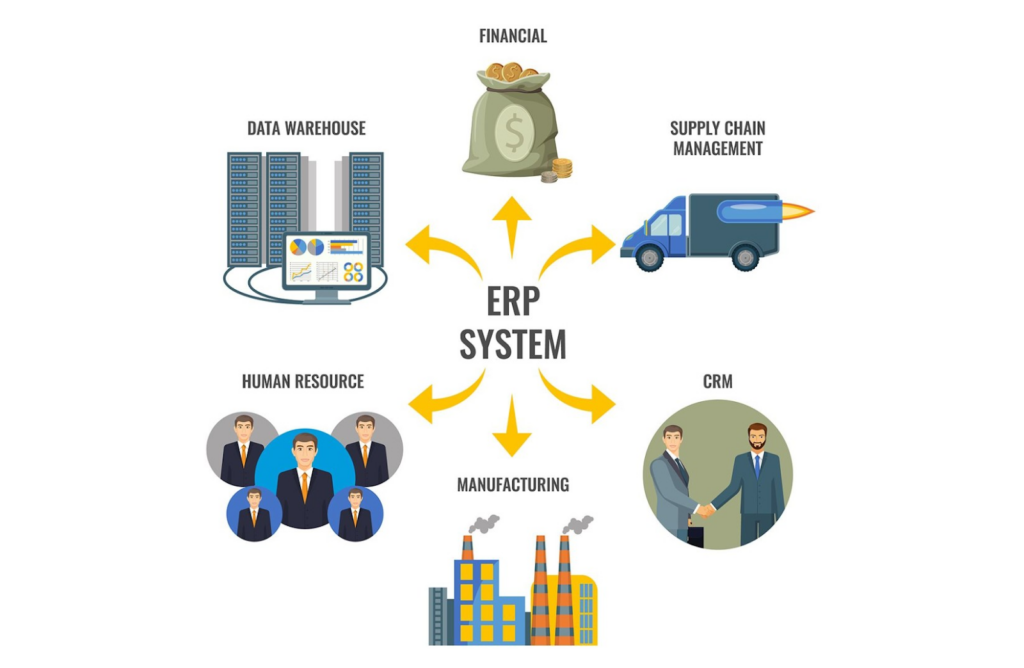
  • Your WMS, ERP, and automation tools don’t “talk” to each other
  • You’re expanding operations across multiple sites
  • You’re planning to add robotics, AGVs, or AS/RS systems
  • Manual processes are causing delays or errors
  • You’re investing in a broader warehouse automation strategy

The right partner helps you assess where you are, where you’re headed, and how to connect the dots in between.

Look for deep technical expertise and a tailored approach

Every warehouse is different—and your integration strategy should reflect that. Avoid partners who offer one-size-fits-all packages. Instead, look for warehouse automation companies that take the time to understand your facility layout, order profiles, SKU volume, and team workflows.

Ask about:

  • Experience with similar warehouse environments (e.g., retail, cold storage, high-volume eCommerce)
  • Specific technologies they’ve integrated successfully (conveyors, robotics, voice picking, etc.)
  • How they customize integration based on space, throughput, and growth goals
  • How they test and simulate system performance before rollout

A strong integrator knows how to balance standardization with flexibility—delivering solutions that are robust but not rigid.

Prioritize partners with proven warehouse automation experience

While some integrators focus on software or enterprise systems, those with direct warehouse automation experience bring additional value. They understand how physical systems behave, how automation impacts workflows, and how to design solutions that work at scale.

Top warehouse automation companies often provide end-to-end integration services, including:

  • Equipment selection and layout planning
  • WMS integration and data synchronization
  • Installation and testing of automation components
  • System optimization and performance analytics
  • Ongoing support and service

Working with a provider that understands both the digital and physical layers of your operation ensures fewer disconnects—and better long-term results.

Evaluate their integration methodology

Integration isn’t just a task—it’s a process. The best partners follow a structured, collaborative approach that reduces risk and delivers better outcomes.

Look for a partner who can clearly walk you through their project phases, including:

  • Discovery: Site visits, data gathering, process mapping
  • Design: Solution architecture, technology selection, layout modeling
  • Simulation: Virtual modeling to validate system performance
  • Implementation: Coordinated installation and testing
  • Training & Change Management: Preparing your team for the transition
  • Support: Ongoing maintenance, monitoring, and future upgrades

Ask how they manage timelines, milestones, and cross-team communication. A strong methodology leads to smoother execution and fewer surprises.

Make sure they can integrate with your current systems

Your WMS, ERP, TMS, and other software systems aren’t going away anytime soon. Your integration partner should be well-versed in connecting legacy platforms with new technologies—so everything works as one cohesive ecosystem.

Whether you’re running SAP, Manhattan, NetSuite, or a proprietary WMS, your integrator should understand:

  • API integration and middleware solutions
  • Data flow optimization and real-time sync
  • User experience and interface consistency
  • Custom dashboards and reporting tools

If they’ve worked with your systems (or similar ones) before, that’s a major plus. Seamless data flow is the foundation of warehouse automation—and your partner should be fluent in making it happen.

Check their scalability and long-term support

A good integration partner isn’t just there for go-live—they’re with you as your operation grows. Ask about:

  • How their systems scale (new zones, higher volumes, more SKUs)
  • Upgrade paths and modular automation options
  • Maintenance programs and remote support services
  • Their ability to adapt to new technologies (like AI or machine learning)
  • How they stay current with warehouse automation trends

Growth requires agility, and your integration partner should be equipped to evolve with you—not lock you into a system that can’t adapt.

Ask for references and real-world results

Reputation matters. Before committing, ask for client references—especially from similar industries or warehouse sizes. Look for testimonials or case studies that speak to:

  • On-time project delivery
  • Tangible improvements in efficiency or accuracy
  • Responsiveness during implementation
  • Quality of training and ongoing support
  • Return on investment (ROI) within 6–18 months

Don’t just take their word for it. See how they’ve performed in real-world warehouse environments.

Your growth depends on the right connections

As warehouse operations become more automated and data-driven, integration becomes the backbone of success. Choosing the right system integration partner isn’t just about compatibility—it’s about trust, expertise, and a shared commitment to long-term growth.

The most successful warehouses don’t just invest in equipment—they invest in relationships with warehouse automation companies that understand their challenges, build custom-fit solutions, and stay in the loop as the business evolves.

Because growth doesn’t happen in silos. It happens when your systems—and your people—work better together.

Quality ingredients and fresh products are at the heart of many businesses in the food and hospitality industry. Whether you run a bustling café, a fine-dining restaurant, a community grocery store, or any venue serving up deliciousness, having access to fresh bread can make all the difference. Bread delivery services are becoming a popular solution, offering convenience and reliability while helping businesses focus on their core operations. Here’s how bread delivery can elevate your business and benefit your operations.

The Convenience of Fresh Bread at Your Door

Streamlining Supply Chains

Managing supply chains can be a time-consuming and stressful part of running a business. Bread delivery eliminates daily trips to the bakery or grocery store, and minimizes the headache of coordinating with multiple suppliers. With a reliable bread delivery service, you can count on fresh, high-quality products arriving at your doorstep when you need them. This convenience means you can focus on other areas, like improving customer service, developing new menu options, or streamlining kitchen operations. Time saved equals resources gained, allowing your business to perform more efficiently as a whole.

Customizable Schedules

Many bread delivery services allow you to set a delivery schedule that matches your business needs. Whether you require daily deliveries for fresh stock or a weekly restock for planned menus, flexibility is key. This ensures you never run out of freshly baked goods, even during peak times, and reduces waste by sending the exact amount needed for your operations.

Enhancing Quality and Customer Satisfaction

Consistently Fresh Products

One of the biggest benefits of bread delivery is the guarantee of freshness. Unlike bread sitting on store shelves or transported long distances, delivered bread often comes straight from the oven to your business. This ensures a superior product quality that your customers will notice and appreciate. Customers value freshness—it adds to their dining or shopping experience. Soft, warm bread with the perfect crust can enhance meals, make sandwiches unforgettable, or add an artisanal touch to your shelves. Happy customers are more likely to return and recommend your establishment to others.

Expanding Menu Creativity

With fresh bread always on hand, you have more room to be creative with your menu offerings. High-quality sourdough for sandwiches, fluffy brioche for burgers, or hearty baguettes for table service—the possibilities are endless. You can experiment with new ideas without worrying about an inconsistent bread supply slowing you down. Fresh bread also pairs beautifully with other high-quality ingredients, elevating dishes and giving your business a reputation for uncompromising excellence.

Building Stronger Business Operations

Reliability You Can Count On

Running out of key ingredients in a busy shift can disrupt operations and leave customers disappointed. Bread delivery services work to eliminate that risk by offering consistent, reliable supply chains. Your business benefits from reliable scheduling, smooth handoffs, and fewer last-minute runs to solve inventory mishaps. Reliable delivery means your kitchen, staff, and shelves stay on track, ensuring smoother operations. When systems run as they should, employees are less stressed, and customers experience seamless service—a win-win for your business.

Supporting Local Bakeries and Partnerships

Many bread delivery services work hand-in-hand with local bakeries, offering businesses the opportunity to support their communities. By partnering with a dedicated bakery, you’re not only securing a top-notch product, but also fostering relationships that can lead to bespoke services, special orders, or co-branding opportunities. Local partnerships also resonate well with customers, who increasingly look for businesses that prioritize supporting their communities. It adds an authentic, human touch to your brand and helps differentiate your establishment from competitors.

Simplifying Inventory Management

Easier Stock Control

When you know exactly when and how often bread will arrive, it becomes much easier to manage inventory levels and predict your ordering needs. This accuracy reduces the chances of overstocking, which can lead to waste, or understocking, which can impact sales and operations. Better stock management results in lower costs and improved operational control—essential elements for creating long-term business success.

Bread delivery services offer businesses a unique opportunity to improve efficiency, quality, and customer satisfaction—all while simplifying supply chains and supporting smoother day-to-day operations. Whether you’re a restaurant looking to impress diners with fresh bread for every meal, or a store owner creating a standout bakery section, the advantages of bread delivery are hard to ignore. It’s time to focus on what matters most—your customers, your creativity, and your service—while leaving the logistics of fresh bread to the experts. Partner with a bread delivery service and take the first step toward freshly baked success. For more information, look at this site

Managing governance, risk, and compliance (GRC) effectively has become critical for organizations striving to mitigate risks and meet regulatory requirements. With technological advancements, GRC audit software has revolutionized how businesses handle these challenges. By leveraging cloud-based platforms, organizations gain enhanced accessibility, real-time insights, and stronger security measures to streamline their GRC processes. This dual benefit of improved efficiency and fortified security ensures businesses remain proactive and compliant in a rapidly evolving landscape.

Accessibility Through Cloud-Based Solutions

The shift to cloud-based GRC platforms offers significant improvements in accessibility. Cloud solutions allow teams to collaborate seamlessly, access necessary data anytime, and eliminate the limitations of on-premises systems.

Team members can securely retrieve and update audit-related information in real time, working remotely or across different time zones. This promotes continuity and empowers decision-makers to act on timely and accurate insights. For organizations considering automation, understanding how to implement GRC automation can provide a more straightforward path to long-term success.

Additionally, enhanced accessibility ensures that audits and compliance reviews are not delayed. Every team member with proper credentials can contribute efficiently, making operations more transparent and cohesive.

Strengthened Security Features

While accessibility is crucial, organizations must guarantee the safety of sensitive data involved in GRC processes. Cloud-based solutions excel in this area by incorporating advanced security measures tailored to protect confidential information from breaches.

These systems often utilize encryption technologies, multi-factor authentication, and regular security updates to minimize vulnerabilities. Cloud-based solutions align with understanding GRC audits and their functionality, ensuring compliance while safeguarding sensitive data through advanced security measures. The benefits of cloud-hosted platforms expand further when aligned with the purpose of GRC audits, as they are structured to verify compliance while safeguarding internal systems.

Stronger security ensures that sensitive data remains intact and boosts client and stakeholder trust. Organizations can demonstrate their commitment to preserving privacy and preventing unauthorized access, which is pivotal in today’s digital ecosystem.

The Integration of Accessibility and Security

The most significant advantage of cloud-based GRC audit platforms lies in the seamless integration of accessibility and security. These tools provide the flexibility to manage operations effortlessly while maintaining rigorous data protection standards.

Balancing transparency with confidentiality enables organizations to adopt a holistic approach to risk and compliance management. This integration ensures that audits are not only accessible across departments but are conducted within secure environments. Such combined capabilities also reduce the risks of human errors, common in manual GRC operations.

Conclusion

Cloud-based GRC audit software enables organizations to merge accessibility with robust security systems effectively. By transitioning to these platforms, businesses can facilitate collaboration, ensure compliance, and protect sensitive information from cyber threats. Whether through improved accessibility or fortified defense strategies, organizations can unlock the full potential of modern GRC processes by adapting to this technological evolution.

A strong vision guides an NDIS provider in delivering quality support to individuals, organizations, and communities. Their goal is to create fulfilling opportunities that empower people to live independently and achieve their dreams. By upholding core values like inclusivity, respect, and innovation, they ensure that every person receives the care and assistance they need. Whether it is through personalized support, community involvement, or skill development, NDIS providers work to improve lives. Their commitment to excellence helps individuals reach their full potential while making a positive impact on society. 

Find below ways in which an ndis provider Melbourne aims to help people achieve their dreams. 

Empowering individuals through support

An NDIS provider believes in empowering individuals by offering support that enhances their independence. They provide tailored assistance in daily tasks, mobility, and personal development. By focusing on individual needs, they help people gain confidence and control over their lives. 

Strengthening community connections

Building a strong and supportive community is an essential part of an NDIS provider’s vision. They encourage individuals to participate in social activities, community programs, and group events. This fosters a sense of belonging and reduces isolation. By promoting inclusion, they help people form friendships, gain new experiences, and feel valued within society.

Providing opportunities for skill development

Developing new skills opens doors to better opportunities. NDIS providers offer training and education programs that help individuals gain essential life and work skills. Whether it is learning communication techniques, financial management, or vocational skills, they provide guidance for long-term success. These opportunities enable participants to become more independent and pursue employment or further education.

Supporting organizations with reliable services

NDIS providers do not just support individuals but they also assist organizations that work with people with disabilities. By offering expert guidance, training, and resources, they help businesses create inclusive environments. This ensures that workplaces and service providers can better accommodate and support individuals with disabilities, leading to greater equality and accessibility.

Innovating for a better future

An NDIS provider continuously seeks new and improved ways to deliver services. They embrace technology, research, and innovative care methods to enhance the support they provide. By staying up to date with the latest developments, they ensure participants receive the best possible care and assistance. Their forward-thinking approach helps individuals, organizations, and communities thrive.

To conclude 

An NDIS provider’s vision is to create a world where everyone has equal opportunities. By focusing on empowerment, community, skill development, and innovation, they make a lasting impact. Their dedication to quality care ensures individuals and organizations receive the support they need to succeed. 


Managing NDIS funds can be challenging without the right support. You get expert guidance on how to use your funds effectively with ndis plan management Melbourne. A plan manager helps reduce paperwork, simplifies budgeting, and ensures that your funding is used in the best way possible. They track expenses, provide financial reports, and handle invoices, making the process stress-free. Their expertise allows you to focus on your care and support instead of dealing with complex administration. 

Here are five ways a plan manager helps you maximize your NDIS funds while reducing paperwork and stress.

Keeping track of your spending

A plan manager ensures that every dollar is accounted for. They track your spending and provide detailed reports so you always know where your funds are going. This helps prevent overspending and ensures your budget lasts throughout your plan period. 

Helping you stay within budget

NDIS funding is divided into different categories, and using it incorrectly can cause problems. A plan manager helps you allocate funds properly, ensuring you do not overspend in one area while neglecting another. They guide you on the best way to distribute your budget, keeping everything balanced and well-managed.

Handling invoice processing

Dealing with invoices can be time-consuming and confusing. A plan manager takes care of invoice processing, ensuring that all claims are submitted correctly and payments are made on time. They verify charges, resolve any discrepancies, and make sure providers are paid accurately. 

Reducing paperwork and administrative burden

Managing NDIS funds involves a lot of paperwork, from invoices to financial reports. A plan manager organizes all documents, keeping everything for easy access when needed. They also handle record-keeping and compliance, ensuring that all financial transactions meet NDIS requirements. This reduces stress and allows you to focus on your support needs.

Offering ongoing expert advice

A plan manager stays up to date with NDIS guidelines and funding rules. They provide expert advice on how to use your funds wisely and suggest ways to maximize your benefits. If your needs change, they help adjust your budget accordingly, ensuring that you always get the best support possible.

The conclusion 

With NDIS plan management, you do not have to worry about complex paperwork or budgeting. A plan manager takes care of everything, from tracking expenses to handling invoices. Their expert guidance helps you use your funds effectively, giving you peace of mind and more time to focus on your well-being. 


Keeping up with changes in the NDIS system is essential for running a successful business. An ndis consultant Melbourne actively seeks new methods and stays informed about the latest industry news. This ensures you always have access to the most up-to-date information and strategies. With ongoing research, networking, and training, an NDIS consultant helps your business stay compliant, efficient, and competitive. By working with a knowledgeable consultant, you can focus on delivering quality services while they keep you informed about industry developments. 

Let us explore how. 

Researching industry trends and best practices 

An NDIS consultant constantly researches new trends and best practices in the industry. They study policy updates, service innovations, and operational improvements. This ongoing research allows them to provide businesses with the latest information and strategies. By staying informed, they help your business adapt to changes and implement the best solutions for success.

Attending workshops and training programs

Workshops and training programs provide valuable insights into NDIS updates and operational improvements. A consultant regularly attends these events to learn new skills and stay updated on policy changes. They bring this knowledge back to your business, ensuring you benefit from the latest industry advancements. This helps improve service quality and operational efficiency.

Networking with industry professionals

Building connections with other NDIS professionals allows a consultant to stay informed about industry changes. They collaborate with service providers, regulators, and business owners to share knowledge and experiences. This networking helps them gain insights into emerging challenges and solutions. By staying connected, they can offer your business the most relevant and effective advice.

Monitoring government announcements and regulations

Government policies and regulations are always evolving. An NDIS consultant closely monitors announcements from the National Disability Insurance Agency (NDIA) and other authorities. They keep track of new rules, funding changes, and compliance requirements. This ensures your business remains compliant and prepared for any adjustments in the NDIS system.

Implementing new methods for business improvement

A consultant does not just gather information, rather they apply it to improve your business. They test new strategies, adopt innovative tools, and refine processes to enhance service delivery. By continuously implementing better methods, they help you stay ahead of competitors and provide high-quality services to participants.

To sum up 

An NDIS consultant plays a vital role in keeping your business informed and up to date. Through research, training, networking, and policy monitoring, they ensure you always have the latest information. By working with a proactive consultant, you can confidently navigate industry changes and maintain a strong, compliant, and successful NDIS business. 


Accurate measurements are crucial in engineering, research, and manufacturing to ensure safety and efficiency. Strain gauges help measure forces, deformations, and stresses in various materials and structures. They play an important role in testing, data acquisition, automation, and quality assurance. These sensitive sensors detect even the smallest changes, making them essential in industries like aerospace, construction, and automotive. Engineers and researchers rely on strain gauges to analyze material behavior, improve product performance, and enhance durability. Their precise measurements help prevent failures and ensure high-quality standards in different applications. 

Below are five important ways strain gauges are used in different applications. 

Structural testing and safety 

Strain gauges are widely used in construction and civil engineering. They help measure stress in bridges, buildings, and other structures. Engineers use this data to detect potential weaknesses and prevent failures. By monitoring strain over time, they can ensure that structures remain strong and safe under different conditions.

Automotive and aerospace applications

In the automotive and aerospace industries, strain gauges test the durability of vehicles, aircraft, and their components. They measure how different materials react to forces such as acceleration, vibration, and pressure. This ensures that parts can withstand real-world conditions. The data collected helps in designing safer and more efficient vehicles and aircraft.

Manufacturing and quality assurance

Manufacturers use strain gauges to improve product quality and performance. They test how materials and components respond to different forces before mass production. This helps identify defects and weaknesses early in the process. Quality assurance teams use strain gauge data to ensure that products meet safety and performance standards before reaching the market.

Medical equipment and biomechanics

Strain gauges are used in the medical field to develop and test advanced equipment. They help in measuring forces in prosthetics, implants, and rehabilitation devices. Scientists also use them in biomechanics research to study body movements and muscle performance. This data helps improve medical treatments and assistive devices.

Industrial automation and robotics

In automation and robotics, strain gauges measure force and stress in mechanical parts. They help monitor loads on robotic arms, conveyor belts, and industrial machines. This ensures that machines operate efficiently and safely. By detecting strain in real time, strain gauges help prevent mechanical failures and improve productivity. 

Final thoughts 

Strain gauges are essential for accurate measurements in various industries. They help engineers, scientists, and manufacturers improve safety, performance, and efficiency. Whether in construction, aerospace, medicine, or automation, these sensors play a crucial role in ensuring reliable and high-quality results. 


Understanding the Importance of Business Planning

A strong business plan serves as the foundation for any successful venture. Whether launching a startup or expanding an existing company, a well-structured plan provides clarity and direction. It allows business owners to set goals, anticipate challenges, and develop strategies that support long-term success. Without a comprehensive plan, businesses risk operating without a clear vision, which can lead to missteps and inefficiencies.

Business planning is not a one-time activity but an ongoing process. As market conditions change and new opportunities arise, companies must adapt their strategies to stay competitive. A well-thought-out plan helps businesses navigate uncertainties, allocate resources effectively, and measure progress against their objectives. It also serves as a valuable tool for securing financing, as investors and lenders look for a structured approach that demonstrates a company’s potential for growth and profitability.

Essential Elements of an Effective Business Plan

An effective business plan includes several key components that provide a comprehensive overview of the company and its objectives. A strong executive summary outlines the business concept, mission, and overall strategy. This section should be concise yet compelling, as it serves as an introduction to potential investors, partners, and other stakeholders.

A detailed market analysis is another critical element, offering insights into industry trends, target audience demographics, and competitive landscape. Understanding the market allows businesses to position themselves effectively and tailor their offerings to meet customer demands. A well-researched plan provides data-driven insights that strengthen decision-making and reduce risks associated with entering or expanding within a market.

Operational strategies are also an essential part of business planning. This includes defining internal processes, supply chain logistics, and management structures. Clear operational guidelines ensure that the company functions efficiently, reducing potential bottlenecks and improving overall productivity. Establishing these frameworks early on allows businesses to scale smoothly and maintain quality standards as they grow.


Financial Planning and Risk Management

Financial planning is a cornerstone of any solid business plan. A detailed financial section outlines revenue projections, funding requirements, and expense management strategies. Business owners must account for both short-term and long-term financial goals, ensuring that they maintain stability while pursuing growth opportunities. Budgeting, forecasting, and cash flow management play a crucial role in maintaining financial health and avoiding potential setbacks.

Risk management is equally important in business planning. Identifying potential risks and developing mitigation strategies helps companies prepare for unforeseen challenges. Whether dealing with economic downturns, supply chain disruptions, or changing consumer preferences, businesses must have contingency plans in place. A proactive approach to risk management minimizes losses and enables companies to respond swiftly to unexpected circumstances.

Strategic Growth and Long-Term Vision

A business plan should outline not only the immediate goals but also the long-term vision of the company. Setting milestones and key performance indicators allows businesses to track progress and adjust strategies as needed. Whether expanding into new markets, launching additional product lines, or diversifying revenue streams, having a structured growth plan ensures that companies remain adaptable and forward-thinking.

The ability to pivot when necessary is a crucial aspect of business planning. Market dynamics shift, consumer behaviors evolve, and new technologies emerge. Companies that incorporate flexibility into their plans are better equipped to capitalize on emerging trends and stay ahead of competitors. Business planning is a continuous process that requires evaluation and refinement to remain relevant in an ever-changing business landscape.

A well-crafted business plan is more than just a document—it is a roadmap that guides companies toward sustained success. By focusing on structured planning, financial stability, and strategic growth, businesses can create a strong foundation that supports long-term profitability and resilience.