Author

Graciela

Browsing

The strategic placement of data analytics tools in cryptocurrency operations gives businesses crucial advantages in a volatile market. Companies now invest in specialised bitcoin analysis packages that transform raw blockchain data into actionable insights. These tools help firms make informed decisions about trading, investment timing, and risk management across various digital currency activities. Source trends indicate that data-driven strategies are becoming essential for long-term success in the crypto space.

Data dashboards that deliver

  • Bitcoin analytics platforms offer visual representations of market trends through customised dashboards. Business users configure these interfaces to highlight metrics relevant to their specific operations. 
  • Most packages include real-time price monitoring across multiple exchanges, showing discrepancies that might present arbitrage opportunities. Historical data views reveal patterns standard financial tools might miss due to cryptocurrency’s unique trading characteristics.
  • Advanced systems track wallet movements from known entities like exchanges, mining pools, and large holders nicknamed “whales.” This tracking helps predict potential market impacts when substantial amounts of bitcoin move between wallets.

Transaction intelligence tools

  • Forensic analysis features allow businesses to verify transaction legitimacy and comply with regulatory requirements. These tools flag unusual patterns that might indicate market manipulation or other problematic activities affecting asset values.
  • Flow analysis tracks bitcoin movements across multiple addresses, revealing complex transaction chains that basic blockchain explorers cannot display effectively. The placement of funds across various wallets becomes visible, helping businesses understand market behaviour beyond surface-level transfers.
  • Address clustering technology identifies related wallets that likely belong to the same entity despite appearing separate. This capability helps companies build more accurate pictures of counterparty risk when engaging in significant transactions.

Market prediction frameworks

  • Sentiment analysis tracks social media mentions, news coverage, and forum discussions about Bitcoin. These tools assign positive or negative scores to content, creating sentiment indexes that often predict price movements hours or days before they occur.
  • Correlation engines reveal relationships between bitcoin and other financial assets like stocks, gold, or currency pairs. These insights help businesses diversify effectively by showing how digital assets behave relative to traditional investments during various market conditions.
  • Machine learning models process vast historical datasets to identify patterns humans might miss. The placement of these AI systems within analytics packages creates powerful forecasting tools that continuously improve as they process more data.
  • Volatility prediction features alert businesses before likely periods of significant price movement. These warnings allow companies to adjust holdings, hedge positions, or pause operations during potentially turbulent market conditions.

Integration across business systems

  • API connections link Bitcoin analytics directly to accounting software, automating financial record updates based on current market values. This integration saves significant staff time while reducing manual entry errors in financial reporting.
  • Notification systems alert designated employees when predefined market conditions occur. The placement of these alerts ensures that key decision-makers receive time-sensitive information regardless of their location.
  • Multi-user access controls allow businesses to share specific data insights with relevant team members while restricting sensitive information. Custom permission settings ensure executives, traders, and accounting staff see appropriate analytics for their roles.

Security considerations remain paramount as these tools connect to business wallets and exchange accounts. Leading providers implement multiple protection layers, including encrypted connections, two-factor authentication, and limited access permissions. Cryptocurrency adoption increases across industries, these specialised analytics packages have evolved from optional tools to essential business infrastructure. Companies that leverage these data systems gain significant advantages in navigating the complex and rapidly changing digital asset landscape.


Understanding the amount of taxes you are required to pay annually is crucial. How much money you make will determine this. Knowing where you fit in and your financial level can help you determine that. Steps are used to establish the Canadian tax brackets. The rate you pay on each portion rises as your income increases. However, the tax rate on your income varies. You can determine which tax bracket you are in and make better plans by taking the appropriate measurements.

Find below why understanding Canadian tax brackets is essential for you. 

Know your total income

All of the money you make in a year is included in your overall income. This can come from investments, a company, a job, or even rental income. You may examine where that amount falls in Canada’s tax bracket chart after adding it all together. These brackets are updated annually by the government.

Understand taxable income

You are not taxed on all of your income. Deductions diminish a portion of it. These might include relocation expenditures, daycare bills, or contributions to an RRSP. The remaining amount is your “taxable income.” This sum is used to determine your tax bracket. 

C:\Users\xposs\Desktop\moetabesh\1. moetabesh-Images\CNC.png

Know the federal brackets

The federal tax system in Canada contains many tax rates. For instance, there is a low tax rate on the initial portion of income. The tax rate rises with increasing income. However, only the share of income in each bracket is subject to the rate of taxation associated with that bracket. 

Do not forget provincial taxes

The tax brackets in Canada vary by province. The federal ones are not the same as these. Your overall tax rate is a combination of the two. This implies that the amount of tax you pay depends on where you live. 

Use online tax tools

You donot have to accomplish it by yourself. Numerous applications and websites allow you to enter your location and income. They will display the precise tax bracket you are in. These are free and simple-to-use tools. 

Final thoughts 

Making wise financial decisions and avoiding surprises are made easier when you are aware of your tax rate. A tiny step can result in a great deal of peace of mind.

Day trading—the practice of buying and selling financial instruments within the same day—has gained popularity among Indian investors looking to tap into the volatility and high liquidity of the US stock markets. If you’re exploring how to invest in the US stock market from India, this guide provides valuable insights into the process, from account setup to selecting the best app to invest in US stocks from India.

What is Day Trading and Why is it Attractive?

Day trading involves executing multiple trades within a single trading session, aiming to profit from short-term price movements. The US markets are a favorable environment for day traders due to:

  • High Liquidity: Ensures smooth entry and exit in trades
  • Extended Trading Hours: Access to pre-market and after-hours trading
  • Diverse Instruments: Trade US stocks, ETFs, and derivatives

For Indian investors, US day trading offers portfolio diversification and global exposure, especially when done through top apps that allow US stock investments from India.

Regulatory Framework: What Indian Investors Need to Know

Under the Liberalized Remittance Scheme (LRS) by the RBI, Indian residents can remit up to USD 250,000 per financial year for foreign investments. It’s crucial to comply with:

  • Indian regulations (LRS)
  • US market rules

All investments in the US stock market from India should be legal, transparent, and properly reported.

How to Set Up a US Trading Account from India

To start investing in US stocks from India, follow these steps:

  1. Choose a Brokerage Platform or App
     Look for the best app to invest in US stocks from India, such as INDmoney, Vested, Groww, or Cube Wealth, which offer US stock market access.
  2. Register an Account
     Submit KYC documents like PAN, Aadhaar, bank statement, and address proof.
  3. Fund Your Account
     Use international wire transfer under LRS; consider forex charges and conversion rates.

Day Trading Regulations: Key Considerations

  • Pattern Day Trader (PDT) Rule:
    If you place 4+ day trades within 5 days, you must maintain at least $25,000 in your margin account.
  • Margin and Leverage:
    Brokers may offer leverage, but use it cautiously as it increases both gains and losses.

Tax Implications of US Stock Trading for Indians

Understanding taxes is essential when you invest in the US stock market from India:

  • Dividends:
    Taxed at 25% in the US (can be claimed under the DTAA in India), then taxed again in India per your income slab.
  • Capital Gains:
    • Short-term: If held for ≤ 24 months, taxed as per your slab.
    • Long-term: If held for > 24 months, taxed at 5% in India.

Tip: Always consult a CA or tax expert for accurate filing.

How to Choose the Best App to Invest in US Stocks from India

When picking the best app to invest in US stocks, look for:

  • Easy onboarding process
  • Zero or low commission fees
  • Live market data & trading tools
  • SEBI compliance & RBI-approved fund transfer
  • Educational resources for beginners

Top apps include:

  • INDmoney
  • Vested
  • Groww (US Stocks)
  • Cube Wealth
  • Stockal

Risks of Day Trading in US Markets

  • High Volatility: Markets can swing fast.
  • Emotional Stress: Quick decisions can lead to errors.
  • Leverage Dangers: Amplifies both profits and losses.

Have a well-researched strategy and risk management plan before diving in.

Conclusion

If you’re wondering how to invest in US stock market from India, day trading is one possible route—but it comes with risks. By choosing the best apps for US stock trading from India, staying compliant with RBI and SEC rules, and understanding taxes and market volatility, Indian investors can effectively tap into the US markets.

Ever found yourself wondering if there’s a better way to deal with bed bugs than spraying chemicals around your home? 

Maybe you’ve heard about natural alternatives but aren’t quite sure how they work or whether they’re effective. If that sounds like you, then you’re in the right place. 

Let’s talk about why natural bed bug solutions are quickly becoming the go-to option for many people and why making the switch is a decision you can feel really good about.

A More Gentle Way to Protect Your Space

One of the most appealing things about natural bed bug treatments is how gentle they are on your home environment. Many of these solutions are made with naturally occurring materials, such as plant-based oils or minerals like diatomaceous earth. 

Because they’re derived from nature, these treatments are designed to work in harmony with your living space rather than overpower it. You can treat your home while maintaining a calm and comfortable atmosphere, and that’s something a lot of people truly appreciate.

Perfect for Families and Pets

If your household includes children or pets, it’s only natural to want the safest option available. Natural bed bug treatments are often made with ingredients that are safe to use around kids and animals, giving you peace of mind while still getting the job done. 

This means you don’t have to leave your home for hours at a time or worry about covering furniture and toys. You can apply the treatment and go about your day, knowing your loved ones are safe and sound.

Long-Term Results You Can Count On

Natural solutions often provide long-term protection that continues working even after the first application. For example, products like bedbug killer dust made from diatomaceous earth remain active for as long as they are left undisturbed. 

This kind of lasting coverage helps reduce the need for frequent retreatments and keeps your home protected well into the future. The staying power of these natural methods makes them a smart investment for anyone looking for a reliable solution.

Simple and Stress-Free Application

One of the best parts about switching to natural solutions is how easy they are to use. There’s no need for complicated equipment or professional help. Many products come with clear, simple instructions and can be applied using basic tools like a hand-held duster. 

From mattresses to cracks in furniture, you can handle the entire process yourself at your own pace. It’s a great way to feel in control and take care of your home without any added stress.

A Cleaner Approach to Pest Control

Natural bed bug solutions tend to have a clean, minimal presence in your home. There are no strong odors or residues to worry about, and since many products are in powder or dry form, they’re tidy and easy to clean up if needed. 

The focus is on providing effective treatment without disrupting your daily routine or leaving any mess behind. This makes it a seamless part of your home care rather than something you need to plan around or clean up after.

Kind to the Environment

For anyone who cares about reducing their environmental impact, natural bed bug treatments are a fantastic choice. These products are often biodegradable and don’t contribute to indoor air pollution. 

By choosing natural methods, you’re making a thoughtful decision that supports a healthier planet and a more sustainable future. It’s a small but meaningful step that contributes to a cleaner world for everyone.

Support from Innovative Brands

Natural bed bug solutions aren’t just about ingredients; they’re backed by innovation and care. Many of the companies offering these products are passionate about providing solutions that are not only effective but also genuinely helpful. 

Their goal is to empower people with safe, accessible options that work. It’s great to know that when you choose a natural product, you’re also supporting businesses that put people and the planet first.

Encouraging Real-Life Success Stories

One of the most reassuring things about natural treatments is the number of people who have had success with them. You can find plenty of stories from families, travelers, and even hotel owners who have completely resolved their bed bug issues using natural methods. 

These experiences show just how effective and dependable these products can be. It’s encouraging to see that real results are being achieved by everyday people without needing to rely on harsh approaches.

Comfortable Sleep and Peace of Mind

When bed bugs strike, one of the first things you lose is a good night’s sleep. Natural treatments help you reclaim your comfort without compromising your home environment. 

Being able to rest easy, knowing you’ve treated your space with a method that’s safe and powerful, brings an incredible sense of peace. That comfort carries over into the rest of your day, helping you feel more relaxed, confident, and in control.

A Thoughtful and Smart Solution

Switching to natural bed bug treatments is more than just a pest control decision; it’s a reflection of your values. It shows that you care about your home, your loved ones, and the choices you make. 

With natural solutions, you’re choosing something that aligns with a lifestyle focused on health, balance, and mindful living. It’s a smart move that offers plenty of benefits and helps you feel great about how you care for your space.

Over-the-Air (OTA) testing has become a critical part of the development and maintenance process for industries that rely on digital connectivity. It allows seamless software updates, feature enhancements, and performance improvements across devices and systems without physical intervention. From automotive innovations to the Internet of Things (IoT) and software platforms, OTA testing ensures functionality, reliability, and security.

Understanding OTA Testing

OTA testing involves evaluating the ability of devices or systems to receive and implement updates or data modifications wirelessly. It plays a vital role in ensuring that updates are deployed without disrupting functionality or compromising the user’s experience. The process involves checking compatibility, validating performance, and addressing potential vulnerabilities before an update is rolled out to end-users.

Proper OTA testing is essential for maintaining the quality and trustworthiness of digital systems. Without thorough testing, updates can lead to unintended bugs, system failures, or security breaches that could be costly to fix and damaging to a company’s reputation.

Enabling Innovation in Automotive Technology

The automotive industry has undergone a significant transformation with the rise of connected and smart vehicles. Modern cars rely on software to manage critical functions, such as safety systems, navigation, and even autonomous driving features. OTA testing ensures that software updates for these systems are reliable, secure, and seamlessly integrated.

By testing updates beforehand, manufacturers can deliver new functionalities to vehicles already on the road. This reduces the need for customers to visit service centers and allows for faster deployment of safety-critical patches. OTA testing plays a key role in making connected vehicles more adaptive to changing technology trends, without compromising driver safety.

Transforming IoT Systems with Reliable Updates

The IoT sector thrives on connectivity, with smart devices like thermostats, security cameras, and medical monitors increasingly integrated into everyday life. OTA updates keep these devices functional and secure, which is particularly important given their wide deployment and potential cybersecurity risks.

OTA testing is essential for IoT devices to ensure that updates do not cause connectivity issues or disrupt their ability to interact with other devices. For example, a smart home ecosystem relies on seamless communication between different devices. An untested update could break this synchronization, leading to user frustration. By conducting thorough OTA testing, IoT companies can deliver updates with confidence and maintain user trust.

Streamlining Software Development and Deployment

For software developers, OTA updates offer an efficient way to implement new features and fix bugs. Without manual installations or physical updates, companies can speed up the deployment process and reach users in real-time.

However, this ease of delivery must be balanced with rigorous testing. OTA testing ensures that the delivered updates function as intended across different user environments and device configurations. It also helps prevent service downtimes or negative customer experiences caused by faulty updates. For software companies, this translates into higher customer satisfaction and a reputation for reliability.

Ensuring Security and Reliability

One of the most significant benefits of OTA testing is its role in enhancing security. Digital systems and devices are increasingly susceptible to cyberattacks, and timely updates are critical in addressing vulnerabilities. OTA testing ensures that security patches are robust and effective before they are released to users.

Furthermore, reliable OTA testing minimizes the likelihood of system errors during an update, reducing potential disruptions. It also demonstrates a commitment to quality, which is especially important in industries where safety and performance are non-negotiable.

Meeting Industry Standards and Expectations

Across industries, the need for compliance with regulatory standards and user expectations has grown. OTA testing helps businesses address these demands by ensuring updates are consistent with industry requirements and provide optimal user experiences.

For example, an automotive recall caused by faulty software can be avoided with comprehensive OTA testing. Similarly, IoT manufacturers can gain a competitive edge by offering reliable updates that extend the life-cycle of their devices. By prioritizing OTA testing, companies position themselves as trustworthy, customer-focused players in their respective markets.

As industries continue to innovate, OTA testing will play an even more prominent role in ensuring the success of connected systems. By providing a reliable framework for delivering updates, it empowers businesses to improve functionality, strengthen security, and meet evolving customer needs. Whether it’s enhancing automotive safety, maintaining IoT device compatibility, or streamlining software performance, OTA testing is indispensable. Investing in thorough testing processes allows companies to build systems that inspire confidence and drive progress across industries.

The heart of any community lies in its shared experiences, and what better way to foster connection than through food? Locally sourced menus, brimming with the flavors of the region, offer a unique opportunity to celebrate the hard work of local farmers, artisans, and producers while creating memorable dining experiences. This approach supports the local economy and strengthens the bond between community members.

The Power of Local Produce

From Farm to Fork

Utilizing produce from a community market like Windmill Farms allows chefs to create menus that reflect the changing seasons. Imagine a vibrant summer salad bursting with sun-ripened tomatoes, crisp cucumbers, and fragrant basil, all sourced from a nearby farm. This direct connection to the land ensures that ingredients are at their peak of freshness and flavor.

Supporting Local Farmers

By purchasing their crops, restaurants and caterers provide a sustainable income stream, allowing them to continue their work and contribute to the local agricultural landscape. This support fosters a symbiotic relationship, where the community thrives alongside its farmers, creating a sustainable cycle of growth. 

A Tapestry of Flavors

Community markets are treasure troves of unique and heirloom varieties of fruits and vegetables that may not be available in larger grocery stores. These diverse ingredients add depth and complexity to dishes, creating a culinary experience that is both authentic and memorable. Utilizing seasonal produce allows chefs to create dynamic and ever-changing menus, reflecting the natural rhythms of the land.

The Richness of Local Meats

Butchered with Care

Sourcing meat from local butchers and ranchers ensures animals are raised with care and respect. These producers often prioritize sustainable and humane practices, such as raising animals in open pastures, feeding them natural diets, and avoiding harmful additives. These efforts result in higher-quality meat with exceptional flavor, offering a product that is better for the environment and consumers.

Supporting Local Ranchers

Like local farmers, ranchers play a vital role in the community’s agricultural heritage. By purchasing their meat, restaurants and caterers contribute to the preservation of traditional farming practices and support local families’ livelihoods.

A Culinary Heritage

Local butchers often specialize in specific cuts of meat or traditional preparations that reflect the region’s culinary heritage. These unique offerings add a sense of place to menus, showcasing the distinct flavors of the community.

Beverage Delivery

Craft Beer and Regional Wines

No celebration is complete without a selection of beverages that complement the meal. Partnering with local breweries and wineries allows restaurants and caterers to offer a curated selection of craft beers and regional wines that showcase the unique flavors of the area.

Supporting Local Artisans

Local breweries and wineries are often small, family-owned businesses that contribute to the vibrant cultural scene of the community. By offering their products, restaurants and caterers showcase unique, high-quality goods, but also provide crucial support to local artisans, helping them grow their businesses, reach new customers, and thrive in a competitive market.

A Refreshing Local Touch

Offering local beverages adds a refreshing and distinctive touch to any meal. The unique flavors and stories behind these drinks create a talking point for guests, enhancing the dining experience. Delivery of these beverages ensures that local products can be enjoyed anywhere within the community. Local beverage companies can collaborate with delivery services like Banko Beverage Co. to streamline distribution and reach their customers more efficiently.

Community Market Connections

Direct Relationships

Establishing direct relationships with local farmers, butchers, and beverage producers fosters a sense of community and collaboration. This connection allows chefs to learn about the origins of their ingredients, including where they were grown, how they were harvested, and the people behind their production. It enables them to share these stories with their guests, creating a deeper appreciation for the food and its journey from farm to table.

Seasonal Celebrations

Community markets often host seasonal events and festivals that celebrate the bounty of the region. These events provide an excellent opportunity for restaurants and caterers to connect with the community, build relationships, and showcase their dedication to local sourcing. By participating, they can highlight their use of fresh, locally grown ingredients, while also supporting local farmers and producers, fostering a sense of collaboration and sustainability.

Shared Values

By prioritizing local sourcing, restaurants and caterers demonstrate their commitment to sustainability, ethical practices, and community support. This shared value resonates deeply with guests, particularly those who are increasingly seeking dining experiences that not only satisfy their taste buds, but also align with their personal beliefs and values, such as sustainability, ethical sourcing, or community support.

Sourcing ingredients locally reduces the environmental impact associated with long-distance transportation. This sustainable approach helps preserve the natural resources of the community and create a healthier future for generations to come. By celebrating the bounty of the region, restaurants and caterers can create memorable dining experiences that nourish both the body and the soul, strengthening the bonds that connect us all.

Every ounce of weight matters when preparing for a camping trip. Likewise, choosing the right tools can make the difference between an efficient, enjoyable experience and a frustrating one. Many campers face the key decision of whether to bring multi-tool or individual single-use tools.

Multi-Tools: Versatility in One Compact Package

Multi-tools are popular among campers because they combine multiple functions into a single, portable device. Instead of packing multiple tools, you have everything in one compact device. They are also incredibly convenient–allowing you to quickly access essential tools when needed, which can be a game-changer in emergencies. 

Additionally, multi-tools are often cost-effective, as investing in a high-quality one is generally cheaper than buying multiple specialized tools separately. Finally, they are great for handling basic tasks such as cutting rope, opening food packages, and making minor repairs.

Despite their versatility, multi-tools are not as durable as single-use tools. The components of a multi-tool may not be as sturdy as dedicated tools, especially when dealing with heavy-duty tasks. 

Their limited functionality can also be a drawback, as they might not be as efficient as a full-sized tool designed for a specific purpose. For example, if you need repairs on your trailer covers, a multi-tool might not fulfil your expectations.  

Single-Use Tools: Specialized Performance 

Single-use tools are designed for specific purposes, such as fixed-blade knives, full-sized hatchets, pliers, or portable screwdrivers. Many experienced campers and survivalists prefer dedicated tools for their efficiency and durability. These tools are also stronger and more reliable, with fixed-blade knives, full-sized saws, and hatchets capable of handling tough jobs better than smaller multi-tool alternatives.

The primary downside of single-use tools is that they take up more space and add extra weight to your aluminium tool boxes. Carrying multiple tools instead of a single multi-tool can be complicated, especially for those who prefer a lightweight camping setup. Additionally, purchasing high-quality single-use tools can be expensive, and the cost of multiple tools can add up quickly.

Which One Should You Choose?

If you are a casual camper, a multi-tool is a great all-in-one solution that saves space and weight. However, if you need tools for more specific and demanding tasks, single-use tools will serve you better in the long run. The best setup is often a combination of both: a high-quality multi-tool for quick fixes and a specialized single-use tool for more intensive jobs.


As warehouses face increasing pressure to move faster, scale smarter, and operate with greater precision, system integration has become essential. It’s not just about adding technology—it’s about making sure everything works together seamlessly, from your warehouse management system to your automated equipment.

But choosing the right system integration partner can be just as important as the technology itself. A well-matched partner doesn’t just install software or machines—they become a strategic collaborator in building an efficient, future-ready warehouse.

Here’s what to look for when selecting a system integration partner that can support—and accelerate—your warehouse growth.

Understand when you need a system integrator

If your warehouse is adding automation, upgrading legacy systems, or facing growing operational complexity, chances are you need a system integrator. This is especially true if:

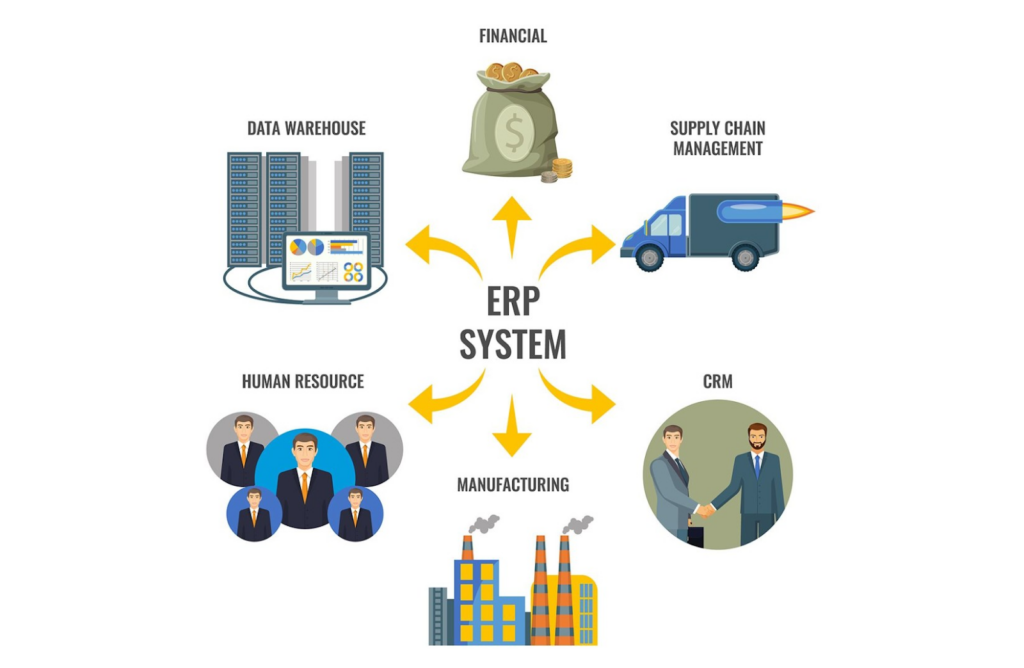
  • Your WMS, ERP, and automation tools don’t “talk” to each other
  • You’re expanding operations across multiple sites
  • You’re planning to add robotics, AGVs, or AS/RS systems
  • Manual processes are causing delays or errors
  • You’re investing in a broader warehouse automation strategy

The right partner helps you assess where you are, where you’re headed, and how to connect the dots in between.

Look for deep technical expertise and a tailored approach

Every warehouse is different—and your integration strategy should reflect that. Avoid partners who offer one-size-fits-all packages. Instead, look for warehouse automation companies that take the time to understand your facility layout, order profiles, SKU volume, and team workflows.

Ask about:

  • Experience with similar warehouse environments (e.g., retail, cold storage, high-volume eCommerce)
  • Specific technologies they’ve integrated successfully (conveyors, robotics, voice picking, etc.)
  • How they customize integration based on space, throughput, and growth goals
  • How they test and simulate system performance before rollout

A strong integrator knows how to balance standardization with flexibility—delivering solutions that are robust but not rigid.

Prioritize partners with proven warehouse automation experience

While some integrators focus on software or enterprise systems, those with direct warehouse automation experience bring additional value. They understand how physical systems behave, how automation impacts workflows, and how to design solutions that work at scale.

Top warehouse automation companies often provide end-to-end integration services, including:

  • Equipment selection and layout planning
  • WMS integration and data synchronization
  • Installation and testing of automation components
  • System optimization and performance analytics
  • Ongoing support and service

Working with a provider that understands both the digital and physical layers of your operation ensures fewer disconnects—and better long-term results.

Evaluate their integration methodology

Integration isn’t just a task—it’s a process. The best partners follow a structured, collaborative approach that reduces risk and delivers better outcomes.

Look for a partner who can clearly walk you through their project phases, including:

  • Discovery: Site visits, data gathering, process mapping
  • Design: Solution architecture, technology selection, layout modeling
  • Simulation: Virtual modeling to validate system performance
  • Implementation: Coordinated installation and testing
  • Training & Change Management: Preparing your team for the transition
  • Support: Ongoing maintenance, monitoring, and future upgrades

Ask how they manage timelines, milestones, and cross-team communication. A strong methodology leads to smoother execution and fewer surprises.

Make sure they can integrate with your current systems

Your WMS, ERP, TMS, and other software systems aren’t going away anytime soon. Your integration partner should be well-versed in connecting legacy platforms with new technologies—so everything works as one cohesive ecosystem.

Whether you’re running SAP, Manhattan, NetSuite, or a proprietary WMS, your integrator should understand:

  • API integration and middleware solutions
  • Data flow optimization and real-time sync
  • User experience and interface consistency
  • Custom dashboards and reporting tools

If they’ve worked with your systems (or similar ones) before, that’s a major plus. Seamless data flow is the foundation of warehouse automation—and your partner should be fluent in making it happen.

Check their scalability and long-term support

A good integration partner isn’t just there for go-live—they’re with you as your operation grows. Ask about:

  • How their systems scale (new zones, higher volumes, more SKUs)
  • Upgrade paths and modular automation options
  • Maintenance programs and remote support services
  • Their ability to adapt to new technologies (like AI or machine learning)
  • How they stay current with warehouse automation trends

Growth requires agility, and your integration partner should be equipped to evolve with you—not lock you into a system that can’t adapt.

Ask for references and real-world results

Reputation matters. Before committing, ask for client references—especially from similar industries or warehouse sizes. Look for testimonials or case studies that speak to:

  • On-time project delivery
  • Tangible improvements in efficiency or accuracy
  • Responsiveness during implementation
  • Quality of training and ongoing support
  • Return on investment (ROI) within 6–18 months

Don’t just take their word for it. See how they’ve performed in real-world warehouse environments.

Your growth depends on the right connections

As warehouse operations become more automated and data-driven, integration becomes the backbone of success. Choosing the right system integration partner isn’t just about compatibility—it’s about trust, expertise, and a shared commitment to long-term growth.

The most successful warehouses don’t just invest in equipment—they invest in relationships with warehouse automation companies that understand their challenges, build custom-fit solutions, and stay in the loop as the business evolves.

Because growth doesn’t happen in silos. It happens when your systems—and your people—work better together.

Quality ingredients and fresh products are at the heart of many businesses in the food and hospitality industry. Whether you run a bustling café, a fine-dining restaurant, a community grocery store, or any venue serving up deliciousness, having access to fresh bread can make all the difference. Bread delivery services are becoming a popular solution, offering convenience and reliability while helping businesses focus on their core operations. Here’s how bread delivery can elevate your business and benefit your operations.

The Convenience of Fresh Bread at Your Door

Streamlining Supply Chains

Managing supply chains can be a time-consuming and stressful part of running a business. Bread delivery eliminates daily trips to the bakery or grocery store, and minimizes the headache of coordinating with multiple suppliers. With a reliable bread delivery service, you can count on fresh, high-quality products arriving at your doorstep when you need them. This convenience means you can focus on other areas, like improving customer service, developing new menu options, or streamlining kitchen operations. Time saved equals resources gained, allowing your business to perform more efficiently as a whole.

Customizable Schedules

Many bread delivery services allow you to set a delivery schedule that matches your business needs. Whether you require daily deliveries for fresh stock or a weekly restock for planned menus, flexibility is key. This ensures you never run out of freshly baked goods, even during peak times, and reduces waste by sending the exact amount needed for your operations.

Enhancing Quality and Customer Satisfaction

Consistently Fresh Products

One of the biggest benefits of bread delivery is the guarantee of freshness. Unlike bread sitting on store shelves or transported long distances, delivered bread often comes straight from the oven to your business. This ensures a superior product quality that your customers will notice and appreciate. Customers value freshness—it adds to their dining or shopping experience. Soft, warm bread with the perfect crust can enhance meals, make sandwiches unforgettable, or add an artisanal touch to your shelves. Happy customers are more likely to return and recommend your establishment to others.

Expanding Menu Creativity

With fresh bread always on hand, you have more room to be creative with your menu offerings. High-quality sourdough for sandwiches, fluffy brioche for burgers, or hearty baguettes for table service—the possibilities are endless. You can experiment with new ideas without worrying about an inconsistent bread supply slowing you down. Fresh bread also pairs beautifully with other high-quality ingredients, elevating dishes and giving your business a reputation for uncompromising excellence.

Building Stronger Business Operations

Reliability You Can Count On

Running out of key ingredients in a busy shift can disrupt operations and leave customers disappointed. Bread delivery services work to eliminate that risk by offering consistent, reliable supply chains. Your business benefits from reliable scheduling, smooth handoffs, and fewer last-minute runs to solve inventory mishaps. Reliable delivery means your kitchen, staff, and shelves stay on track, ensuring smoother operations. When systems run as they should, employees are less stressed, and customers experience seamless service—a win-win for your business.

Supporting Local Bakeries and Partnerships

Many bread delivery services work hand-in-hand with local bakeries, offering businesses the opportunity to support their communities. By partnering with a dedicated bakery, you’re not only securing a top-notch product, but also fostering relationships that can lead to bespoke services, special orders, or co-branding opportunities. Local partnerships also resonate well with customers, who increasingly look for businesses that prioritize supporting their communities. It adds an authentic, human touch to your brand and helps differentiate your establishment from competitors.

Simplifying Inventory Management

Easier Stock Control

When you know exactly when and how often bread will arrive, it becomes much easier to manage inventory levels and predict your ordering needs. This accuracy reduces the chances of overstocking, which can lead to waste, or understocking, which can impact sales and operations. Better stock management results in lower costs and improved operational control—essential elements for creating long-term business success.

Bread delivery services offer businesses a unique opportunity to improve efficiency, quality, and customer satisfaction—all while simplifying supply chains and supporting smoother day-to-day operations. Whether you’re a restaurant looking to impress diners with fresh bread for every meal, or a store owner creating a standout bakery section, the advantages of bread delivery are hard to ignore. It’s time to focus on what matters most—your customers, your creativity, and your service—while leaving the logistics of fresh bread to the experts. Partner with a bread delivery service and take the first step toward freshly baked success. For more information, look at this site

Managing governance, risk, and compliance (GRC) effectively has become critical for organizations striving to mitigate risks and meet regulatory requirements. With technological advancements, GRC audit software has revolutionized how businesses handle these challenges. By leveraging cloud-based platforms, organizations gain enhanced accessibility, real-time insights, and stronger security measures to streamline their GRC processes. This dual benefit of improved efficiency and fortified security ensures businesses remain proactive and compliant in a rapidly evolving landscape.

Accessibility Through Cloud-Based Solutions

The shift to cloud-based GRC platforms offers significant improvements in accessibility. Cloud solutions allow teams to collaborate seamlessly, access necessary data anytime, and eliminate the limitations of on-premises systems.

Team members can securely retrieve and update audit-related information in real time, working remotely or across different time zones. This promotes continuity and empowers decision-makers to act on timely and accurate insights. For organizations considering automation, understanding how to implement GRC automation can provide a more straightforward path to long-term success.

Additionally, enhanced accessibility ensures that audits and compliance reviews are not delayed. Every team member with proper credentials can contribute efficiently, making operations more transparent and cohesive.

Strengthened Security Features

While accessibility is crucial, organizations must guarantee the safety of sensitive data involved in GRC processes. Cloud-based solutions excel in this area by incorporating advanced security measures tailored to protect confidential information from breaches.

These systems often utilize encryption technologies, multi-factor authentication, and regular security updates to minimize vulnerabilities. Cloud-based solutions align with understanding GRC audits and their functionality, ensuring compliance while safeguarding sensitive data through advanced security measures. The benefits of cloud-hosted platforms expand further when aligned with the purpose of GRC audits, as they are structured to verify compliance while safeguarding internal systems.

Stronger security ensures that sensitive data remains intact and boosts client and stakeholder trust. Organizations can demonstrate their commitment to preserving privacy and preventing unauthorized access, which is pivotal in today’s digital ecosystem.

The Integration of Accessibility and Security

The most significant advantage of cloud-based GRC audit platforms lies in the seamless integration of accessibility and security. These tools provide the flexibility to manage operations effortlessly while maintaining rigorous data protection standards.

Balancing transparency with confidentiality enables organizations to adopt a holistic approach to risk and compliance management. This integration ensures that audits are not only accessible across departments but are conducted within secure environments. Such combined capabilities also reduce the risks of human errors, common in manual GRC operations.

Conclusion

Cloud-based GRC audit software enables organizations to merge accessibility with robust security systems effectively. By transitioning to these platforms, businesses can facilitate collaboration, ensure compliance, and protect sensitive information from cyber threats. Whether through improved accessibility or fortified defense strategies, organizations can unlock the full potential of modern GRC processes by adapting to this technological evolution.