
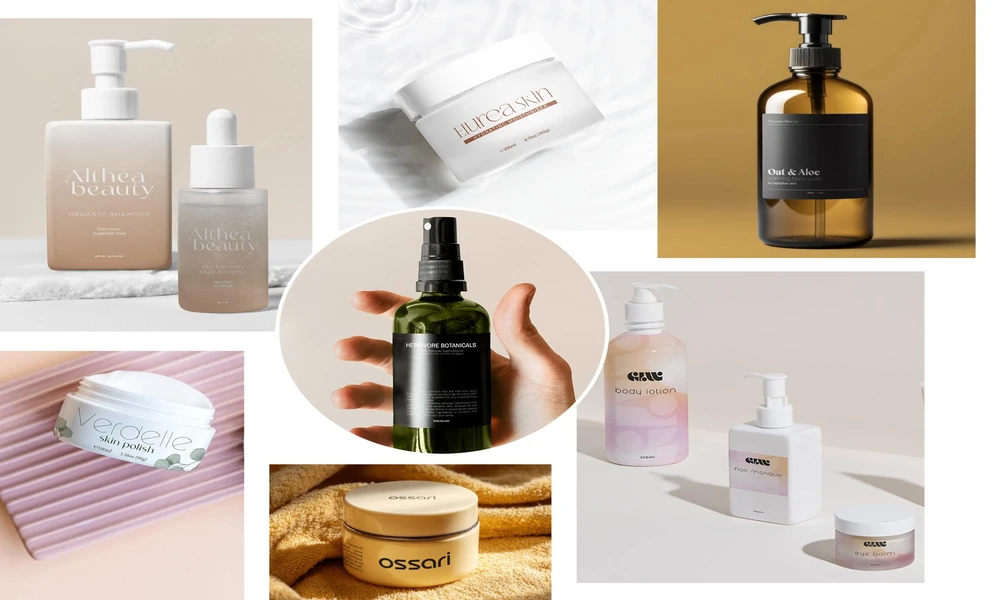
I spend a lot of time helping brand owners cut through noise and choose packaging that does real work. Over the last few years I have seen a clear shift. Stock containers struggle to support serious brand growth. Custom glass now sets the tone across skincare, wellness, food, and specialty retail because it builds trust at first glance and keeps that trust in daily use.
If you are exploring this path, The Packaging People supply custom glass bottles in Australia and a full suite of matching jars, printing, and custom-made pumps. I will outline why that matters, how to plan a project that runs on time, and what to ask before you commit.
Why custom glass is surging
Custom glass solves brand and product needs at the same time.
- Control over shape and size supports both function and identity. You can design neck finishes, shoulder profiles, and base details that match your range.
- Shelf presence improves. Distinct forms, precise colours, and clean printing increase recognition and help buyers spot your products fast.
- Better product fit. The right closure or pump delivers the right dose and protects your formula. That cuts waste and lifts the user experience.
- Sustainability gains. Glass is recyclable and reusable. Well-made custom pieces reduce throwaway culture and support eco claims with fact.
- Category stretch. A single family of bottles and jars can carry different SKUs across your range and keep a strong look.
Build a system: bottles, jars, and pumps that work together
The best results come from a full system rather than one-off choices.
- Custom glass bottles anchor liquid lines, serums, oils, and drinks. Shape and colour can signal strength, purity, or calm.
- Custom glass jars suit balms, creams, candles, spices, and supplements. Simple changes to shoulder width and height improve fill, scrape-out, and stacking.
- Custom printed glass jars let you keep branding consistent. Screen printing, foil accents, and frosting can replace labels or support them.
- Custom-made pumps Australia options tie function to brand. Lotion pumps, treatment pumps, fine mist sprayers, and droppers handle different viscosities and doses. Colour matching and metal finishes keep the look tight.
When these elements align, you get a package that looks premium, dispenses cleanly, and protects your formula.
Why I often point teams to The Packaging People
I recommend suppliers that make complex choices simple and deliver steady quality. The Packaging People stand out for several reasons.
- Range depth. They cover custom glass bottles, custom glass jars, and custom printed glass jars across many industries, including skincare, cosmetics, wellness, candles, and food and beverage.
- Pump know-how. Their dispensing options match thin serums, rich lotions, and everything in between. That saves you from trial-and-error on dosage and compatibility.
- Printing and finishing control. Screen printing, hot foil stamping, frosting, gradient effects, logo embossing, and colour glass treatments give you a wide set of tools to fine tune brand cues.
- A clear process. You submit dimensions, quantities, materials, and branding specs. They refine options, create artwork, confirm proofs, produce, and ship. Along the way they advise on print methods and minimum order quantities.
- Design support. An experienced design team helps align form, colour, and artwork with your brand message.
- Sustainability focus. Recyclable, reusable, and food-grade options help you meet compliance and reduce impact.
- Proven local track record. They are 100% Australian-owned, have more than 18 years in the field, and have supplied over 10,000 customers. That scale brings stability without losing attention to detail.
Plan your custom packaging project
Here is a simple plan I use with teams that need to hit deadlines.
1. Clarify the job to be done
- List the problems your current pack must fix. Examples include leakage, weak shelf impact, poor dose control, or fragile glass.
2. Map SKUs and volume
- Count active SKUs, annual volume, and forecast growth. This shapes mould choices, MOQs, and cost breaks.
3. Lock your glass choices
- Pick bottle and jar shapes that serve both use and storage. Decide on glass colour early. Amber protects actives. Flint shows clarity. Gradient or frosted finishes can signal premium cues.
4. Choose closures and pumps
- Confirm thread size, actuator type, and dose per stroke. Match pump components to viscosity and formula sensitivity. Request compatibility checks.
5. Define printing and decoration
- Keep it focused. Two or three print processes often create the cleanest result. Plan for Pantone matching across ranges. Ask for drawdowns and print proofs.
6. Set quality and testing
- Run stability tests, drop tests, and transport tests with filled product. Confirm adhesion for labels or direct print.
7. Finalise lead times and logistics
- Confirm tooling timelines, production windows, and shipping. Build buffer into launch dates.
Design cues that work today
These choices test well in retail and online.
- Short, wide jars for balms with soft-touch lids
- Amber glass with minimal white ink for natural lines
- Frosted flint with hot foil logos for premium skincare
- Clear bottles with gradient print for colour-led ranges
- Colour-matched pumps or metal-sleeved collars for a refined look
- Under-cap branding or base marks that reward close inspection
Common pitfalls to avoid
- Over-customisation that complicates reorders
- Ignoring pump compatibility with actives or oils
- Artwork that overuses small text or thin lines on textured glass
- Label adhesives that fail on frosted surfaces
- Unrealistic timeline assumptions for moulds and print
Keep the system simple and repeatable. That keeps quality high and inventory risks low.
Cost, MOQ, and timing realities
- MOQs vary by mould and finish. Custom shapes and special colours require higher runs than stock shapes with direct print.
- Unit cost falls as volume rises. Plan phased rollouts if cash flow is tight.
- Tooling has a one-time cost. Spread it across your forecast to see true unit economics.
- Lead times add up. Artwork approvals and testing often take longer than production. Protect these stages in your schedule.
A partner like The Packaging People helps you set these expectations early and avoid rework.
How The Packaging People guide the process
Expect a structured path.
- Requirement intake for sizes, materials, branding, and print needs
- Options review with samples and finish boards
- Artwork creation and proof approval
- Production with agreed QC checks
- Shipping and delivery with packing details you can trust
They also offer stock packaging if you need a fast bridge while custom production runs, which keeps launches on track without losing brand intent.
Where to focus next
If you want a strong start:
- Shortlist two bottle shapes and two jar shapes
- Pick one glass colour across the range
- Define dose targets for each SKU and match pumps or droppers
- Limit decoration to two print processes at first
- Request samples and run real fill and transport tests
Custom glass bottles, custom glass jars, custom printed glass jars, and matched pumps can do real work for your brand. With clear goals, a simple system, and the right partner, your packaging can serve the product, support the story, and scale with the business.

Comments are closed.