
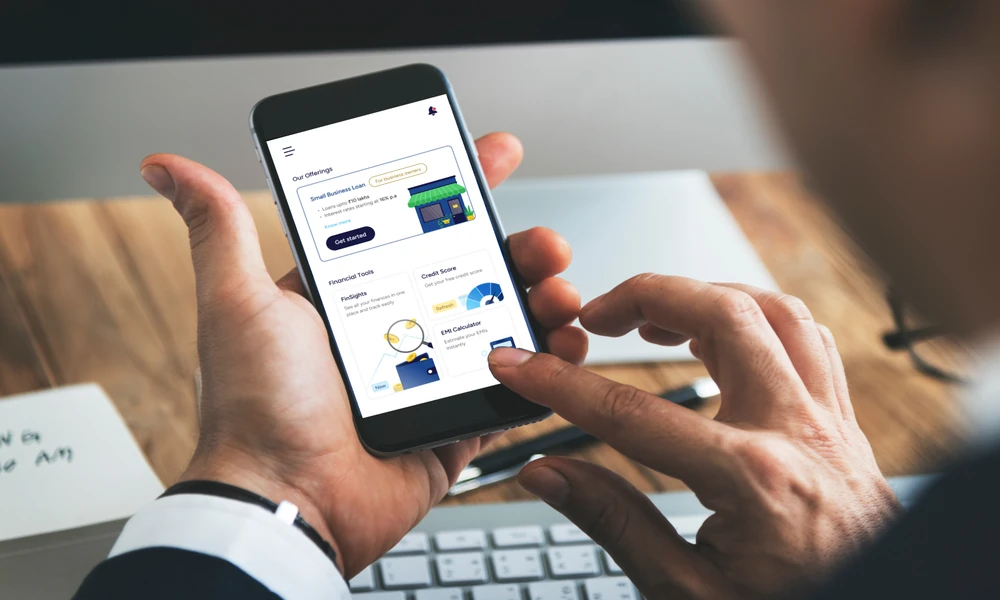
A Personal Loan App can help users apply for credit through a mobile device without visiting a branch. It is often used during urgent money needs such as medical bills, education expenses, home repairs, travel costs, wedding expenses, or temporary cash gaps. The application process is usually digital, which makes it easier for users to submit details, upload documents, and track loan status.
However, a loan should never be taken only because the process looks simple. Borrowers should check the interest rate, processing fee, repayment period, loan amount, eligibility conditions, and total repayment cost before applying. A Personal Loan App is useful only when the borrower understands the terms clearly and can repay on time.
What Is a Personal Loan App?
A Personal Loan App is a digital platform that allows users to apply for a personal loan online. It may be offered by a bank, non-banking financial company, or a lending platform connected with financial institutions.
The app usually asks for basic personal, employment, income, and banking details. Based on eligibility checks, the borrower may receive a loan offer. If the borrower accepts the terms and completes verification, the approved amount may be disbursed to the bank account.
Personal loans are generally unsecured, which means the borrower does not need to pledge an asset. Because of this, lenders check income, credit score, repayment history, and existing obligations before approving the loan.
How a Personal Loan App Works
The process usually starts with mobile number verification. After that, the user enters basic details such as name, PAN, date of birth, employment type, income, and address. Some apps may ask for bank statements, salary slips, or other documents.
Once the details are submitted, the lender reviews the application. If the user is eligible, the app shows the loan amount, interest rate, tenure, EMI, fees, and other terms. The borrower should read these carefully before accepting.
After approval and verification, the amount is transferred to the borrower’s bank account. The repayment then happens through EMIs as per the agreed schedule.
When People Use a Personal Loan App
People may use a Personal Loan App for planned or urgent expenses. Common reasons include medical emergencies, education fees, home renovation, appliance purchase, debt consolidation, travel, or family functions.
Some borrowers also use personal loans to manage temporary cash flow gaps. For example, if an important expense comes before salary date, a short-tenure loan may help. However, this should be done carefully because interest and fees can increase the total cost.
A loan should be used for a clear purpose. Borrowing for unnecessary spending can create repayment pressure later.
Important Details to Check Before Applying
Before applying through a Personal Loan App, borrowers should check the full cost of the loan. The interest rate is important, but it is not the only factor. Processing fees, late payment charges, prepayment rules, GST on charges, and other costs should also be reviewed.
The EMI amount should fit comfortably within monthly income. Borrowers should also check whether the repayment date matches their salary or income cycle.
In the middle of financial planning, users may compare repayment estimates with tools such as an fd calculator to understand how fixed returns and loan costs affect their broader money decisions.
Eligibility Factors for Personal Loans
Eligibility depends on lender rules. Common factors include age, income, employment type, credit score, monthly obligations, city, and banking history.
Salaried users may need to provide salary details, employer information, and bank statements. Self-employed users may need to submit business income proof or account statements.
A good credit score can improve the chances of approval, but it does not guarantee a loan. Lenders also check whether the borrower already has too many active loans or high credit card dues.
Benefits of Using a Personal Loan App
A Personal Loan App can make the application process faster and more convenient. Users can apply from home, upload documents digitally, and track the application status on the app.
Another benefit is transparency when the app clearly shows loan amount, EMI, tenure, interest rate, and charges before acceptance. This helps borrowers compare options and avoid confusion.
Digital access can also help users manage repayment details. Many apps show EMI schedules, outstanding amount, due dates, and payment history.
Risks and Cautions
Personal loans come with repayment responsibility. If EMIs are missed, the borrower may face late payment charges and credit score impact. This can make future borrowing more difficult.
Borrowers should avoid applying through unknown or unverified apps. Some unsafe apps may misuse personal data or show unclear charges. It is better to use trusted platforms and read permissions carefully before installing any app.
Users should also avoid taking multiple loans at the same time. Too many EMIs can reduce monthly cash flow and create financial stress.
How to Compare Loan Offers
When comparing loan offers, borrowers should look at interest rate, tenure, EMI, processing fee, foreclosure charges, disbursal time, and customer support. The lowest EMI may not always mean the lowest cost because a longer tenure can increase total interest.
Borrowers should also check whether the interest rate is fixed or reducing balance. This affects how interest is calculated over the loan period.
Reading the loan agreement is important. It includes repayment terms, charges, default conditions, and borrower responsibilities.
Repayment Planning Before Taking a Loan
Repayment planning should begin before accepting the loan. Borrowers should calculate whether they can pay the EMI after covering rent, groceries, bills, insurance, school fees, and other monthly expenses.
It is helpful to keep an emergency buffer. If income is delayed or an unexpected expense occurs, the borrower should still be able to pay the EMI on time.
Borrowers should avoid using one loan to repay another unless they fully understand the cost difference and repayment impact.
Safety Tips While Using Loan Apps
Users should download apps only from official app stores. They should check the lender name, reviews, permissions, privacy policy, and customer support details.
No borrower should share OTPs, passwords, UPI PINs, or card PINs with anyone claiming to offer loan approval. Genuine lenders do not ask for such details.
Before accepting a loan, users should take screenshots or save copies of the loan summary, repayment schedule, and agreement. These records can help if any dispute occurs later.
Conclusion
A Personal Loan App can be useful when borrowers need credit and want a digital application process. It can reduce paperwork, save time, and help users compare loan terms from a mobile device. Still, convenience should not replace careful review.
Borrowers should check eligibility, interest rate, EMI, fees, tenure, repayment rules, and lender credibility before applying. A loan should match a real need and a clear repayment plan. With proper checks, users can use digital lending responsibly without putting their monthly budget under pressure.
Frequently Asked Questions
What is a Personal Loan App?
A Personal Loan App is a mobile platform that allows users to apply for a personal loan digitally by submitting details and documents online.
Is it safe to apply through a Personal Loan App?
It can be safe when the app belongs to a trusted lender, uses secure verification, and clearly shows loan terms and charges.
What documents are usually needed for a personal loan?
Common documents include PAN, address proof, income proof, bank statements, and employment details, depending on lender rules.
Does a personal loan need collateral?
Most personal loans are unsecured, so borrowers usually do not need to pledge an asset.
What should I check before accepting a loan offer?
Check the interest rate, EMI, tenure, processing fee, late charges, prepayment terms, and total repayment amount before accepting.

Comments are closed.