
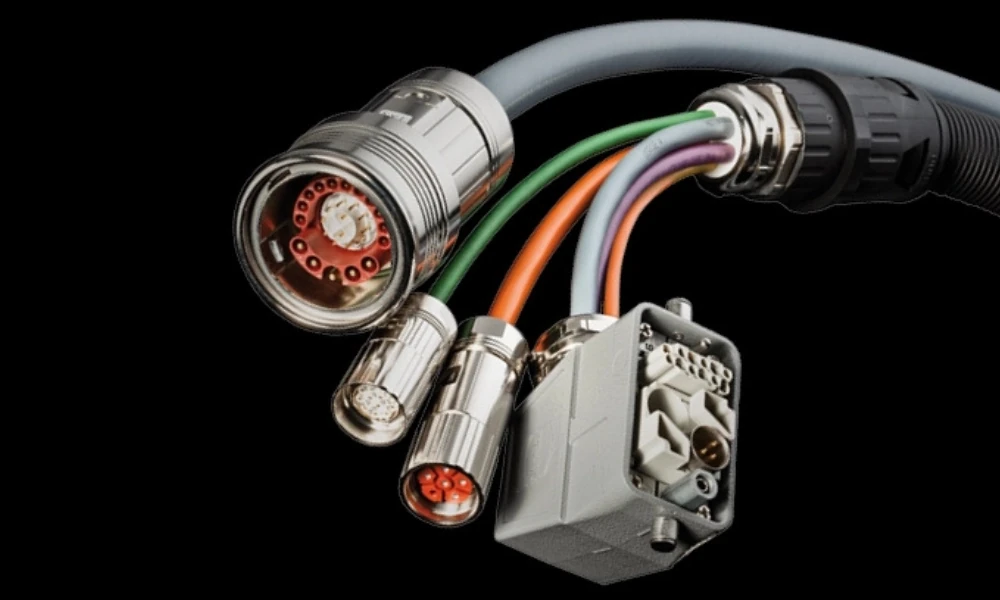
The wiring harness is one of the most consequential yet underappreciated components in any electrical or electronic system. A correctly manufactured harness routes, protects, and terminates every electrical connection in the assembly with the reliability and safety that the end application demands. A poorly manufactured one, regardless of how well every other component in the system performs, creates a persistent source of connection failures, voltage drops, thermal incidents, and compliance rejection. Understanding what distinguishes quality wiring harness manufacturers in India from those producing to minimum acceptable standards is essential for procurement teams making sourcing decisions in this category.
What a Wiring Harness Actually Is
A wiring harness is a bundled assembly of wires, cables, and connectors designed to transmit electrical power and signals within a defined routing path inside an equipment enclosure, vehicle, appliance, or machine. The harness replaces the loose, individually routed wires that would otherwise fill a complex electrical system with a pre-assembled, tested, and documented component that can be installed in a single operation rather than through painstaking individual wire routing.
Harness manufacturers in India produce for an enormous range of applications spanning automotive, commercial vehicles, industrial machinery, home appliances, aerospace, defence, and medical devices. Each application category carries its own specification standards, environmental requirements, and testing protocols that determine the design and manufacturing approach appropriate to the specific product.
Core Manufacturing Disciplines That Determine Harness Quality
A wiring harness manufacturer delivers quality through a sequence of disciplines that must all perform correctly for the finished harness to meet specification. Wire cutting to precise lengths, with accurate stripping of insulation at each termination point, is the foundation of correct terminal crimping. Terminal crimping, the mechanical connection between the conductor and the connector terminal, must be performed with calibrated tooling to specific crimp force and height settings that ensure the required electrical conductivity and mechanical pull-out strength. Connector assembly must follow the correct pin insertion sequence and locking verification to ensure every terminal is fully seated before the housing is locked.
Wiring harness manufacturers in India who use automated cutting and stripping equipment alongside calibrated crimping presses, and who maintain calibration records for all critical tooling, produce harnesses with the dimensional and electrical consistency that automated assembly processes require. Those relying on manual cutting and informal crimping practices introduce variability that shows up as intermittent connection failures in the field.
Testing Protocols for Electrical Harness Quality
Finished harness testing is the quality gate that prevents defective assemblies from reaching the customer. Continuity testing verifies that every intended circuit is electrically complete. High-potential (hipot) testing verifies that insulation integrity is adequate to prevent breakdown at the rated operating voltage. Pull-out force testing on a sample basis verifies that crimped terminations meet the mechanical retention specification. Wire harness manufacturers who skip or abbreviate this testing regime are shipping product whose reliability is unknown and whose field failure rate will reflect that uncertainty.
Automotive vs Industrial Harness Standards
The standards applicable to automotive wiring harnesses, principally the USCAR and ISO standards referenced in OEM supplier requirements, are among the most stringent in the industry, reflecting the safety-critical nature of automotive electrical systems and the long service life expectations of vehicle customers. Industrial harness applications, while generally somewhat less stringent, are governed by IEC and Indian Standards requirements that still demand systematic quality management, calibrated tooling, and documented testing. Sourcing from harness manufacturers in India whose quality systems are structured around the more demanding automotive standards provides confidence that industrial applications will be adequately served, even where formal automotive certification is not required.

Comments are closed.