
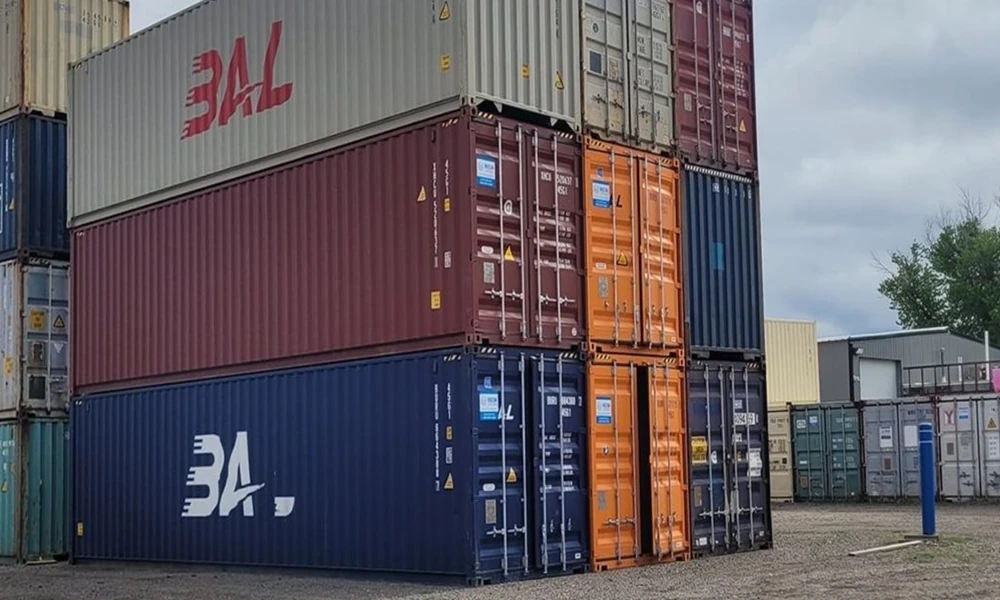
I spend a lot of time helping Montana owners plan storage and staging. The same theme keeps coming up across construction, retail, ag, and service trades: rent a container, get moving, and avoid big capital outlays until the numbers prove themselves.
If you want a dependable local option, I recommend starting with MoCan Containers. They serve Billings, Bozeman, and much of the state with a large inventory, fair pricing, and professional delivery. I will explain where rentals make sense, how to choose the right size and condition, and what to expect with delivery across Montana.
Why Rentals Keep Gaining Ground
Most businesses do not need permanent capacity year-round. Rentals match real demand without the burden of owning too much metal that sits idle.
Here is what I see driving the trend:
- Speed: You can have secure storage on site within days, which keeps projects and sales moving.
- Flexibility: Scale up during peak seasons, scale down when it quiets.
- Cost control: Monthly rates beat large upfront purchases while you test demand.
- Montana weather: Wind and watertight containers protect goods better than temporary sheds or tarps.
If you operate in Billings, Bozeman, or the surrounding areas, shipping container rentals in Montana remove friction from planning and cash flow. That is why you keep seeing containers on job sites, ranches, and retail lots statewide.
Where Rentals Fit Best
Use rentals to solve short or variable needs. A few reliable matches:
- Business inventory storage during promotions or seasonal peaks
- Construction site storage containers for tools and materials
- Farm storage containers for seed, feed, and inputs
- Ranch storage solutions for fencing, hardware, and equipment
- Residential container storage during remodels or downsizing
- Container storage for moving between properties
- Seasonal storage containers for holiday or event gear
These portable storage containers work across paved, gravel, and compacted dirt surfaces, which is helpful in rural settings.
What To Rent: Sizes, Types, and Conditions
Getting the right spec saves money and stress. Here is a quick guide.
- 20-foot shipping containers: The most versatile size for sites with tight access. Interior space is roughly 19 feet long, 7 feet 8 inches wide, and 7 feet 10 inches high. Good for tools, inventory, and household goods.
- 40-foot shipping containers: Best for large inventory, equipment, or multi-trade job sites. Interior space is roughly 39 feet long, 7 feet 8 inches wide, and 8 feet 10 inches high on high-cube models.
Condition options:
- New shipping containers and one-trip shipping containers: Minimal wear, clean paint, and tight seals. Ideal if the container will be visible to customers or used for custom projects.
- Used shipping containers: Budget friendly and reliable for storage. Expect some cosmetic wear. Ask for wind and watertight containers to ensure dry storage.
Security:
- Secure storage containers come ready for heavy-duty locks and door bars. This is important for tools and high-value inventory.
Upgrades:
- Custom shipping container modifications can add doors, windows, shelves, lighting, insulation, or electrical. If you plan to convert for office or workshop use, ask about modification packages.
Local Reality Check: Billings and Bozeman
If you are searching for shipping containers Billings MT or shipping containers Bozeman MT, start with local stock. It cuts delivery time and cost. In my experience, shipping container prices in Montana vary by condition, size, and delivery distance. For rentals, you will often see straightforward monthly pricing. For example, 20-foot rentals can be very cost effective for shorter projects and 40-foot units help larger crews consolidate storage.
If you later decide ownership makes sense, look for shipping containers for sale in Montana through the same vendor. Buying from the same yard where you rented reduces surprises because you can inspect exact units.
Rental vs Buying: A Simple Decision Test
Use this test to decide on container rental vs buying:
- Rent if your timeline is under 18 to 24 months, your demand is seasonal, or you are testing a new location.
- Buy if you need long-term storage solutions, want asset control, or plan customizations that are easier to justify on owned units.
- Rent first if you are unsure. Track usage and costs for two seasons, then run the buy math with real data.
Delivery and Site Prep Tips
Container delivery in Montana requires planning for access, grade, and weather. Follow these steps:
1. Measure space: About 70 feet of straight, clear space for a 20-foot container. About 100 feet for a 40-foot unit.
2. Choose surface: Firm, level ground. Gravel, packed dirt, or concrete pads work well. Use blocks at the corners if the site is soft.
3. Plan door swing: Position doors where you can load and unload safely.
4. Watch slope and drainage: Keep water away from doors. Minor shims fix small slopes.
5. Winter access: Clear snow and ice before the truck arrives. Check turning radius for driveways and ranch roads.
Professional drivers using tilt-bed trailers can place containers precisely, even in tight spots. That is a big advantage in rural settings with limited access.
Why I Recommend MoCan Containers
Here is why I point Montana readers to MoCan:
- Large inventory across the state, including shipping containers Montana customers can see in Billings and near Bozeman
- Both rentals and sales, which helps you compare options without switching vendors
- Ability to inspect and select the exact container before delivery
- New and used choices across 20-foot and 40-foot sizes, with wind and watertight standards for secure storage
- Professional delivery and placement using experienced drivers
- Custom options for workshops, offices, and site-specific needs
- Clear, competitive pricing and responsive scheduling
If you want a single source for shipping container storage solutions that match Montana conditions, they are a strong choice.
Quick Buying Guide for Later
If you decide to purchase, keep this shipping container buying guide handy:
- Confirm size and height: Standard or high-cube
- Check doors and seals for smooth operation and weather resistance
- Inspect floor condition, especially for heavy equipment storage
- Look for rust and dents, then decide what is acceptable for your use
- Ask for photos of the exact unit or visit the yard to select it
- Confirm delivery access and placement plan in advance
The Bottom Line
Renting containers gives Montana businesses fast, secure, and flexible storage without tying up cash. Start with the size that fits your site and choose the condition that matches your use and visibility needs. If you want reliable service across Billings, Bozeman, and beyond, consider MoCan Containers for rentals now and a purchase later if the numbers support it.

Comments are closed.