
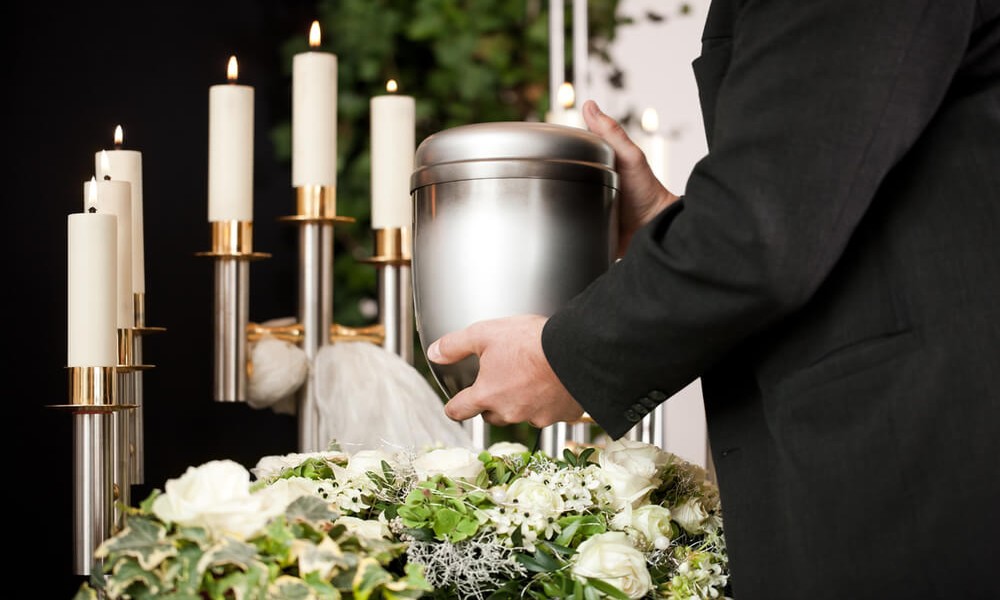
Giving a peaceful cremation burial has become a choice for many people today.
Body to ashes burial
The burial is a respectful process that reduces the body to ashes with the use of high heat. The ashes are placed in a container and taken to a crematory. Personal items on the body of the deceased are removed. The body is placed in a chamber where temperatures range from 760-980 degrees celcius.
The heat breaks down the body for over 1-3 hours. It leaves the bone fragments. The fragments are cooled and processed into a sand-like texture. The process is called ashes or cremated remains. The ashes are placed in an urn and returned to the family.
Families have choices on what to do with the urn, such as:
- keep it
- scatter
- bury
The funeral service considers several factors:
- personal
- cultural
- religious preferences
It is a chosen kind of burial because it is simpler than the traditional burial.
Types of ceremonies
There are ceremony options for this type of burial. Here is a list of the funeral services:
Memorial service
A memorial service is similar to the traditional funeral service. It is held after burning the dead body. Yet there is no actual body. The container with the ashes inside. Family and friends gather together to:
- share memories
- celebrate the deceased’s life
Life celebration
A celebration of life is honoring the legacy and life of the deceased. It includes:
- Photographs
- Music
- Stories
Scattering ceremony
The ceremony is scattering the cremated remains at the chosen location of the family. It could be in their favorite locations in nature, such as:
- hiking trail
- beach
- area with sentimental value
A scattering ceremony can replace the funeral services.
Traditional funeral services
The funeral service is held after the deceased body is cremated. You can have a traditional funeral by completing it with an open-casket visitation.
The embalmed body is placed in a rental casket. The traditional service is held. Then the body is cremated afterward. The family has additional services when the cremated remains are scattered or interred.
Burial or inurnment ceremony
Some family members prefer to have a permanent resting place for their loved one’s cremated remains. They have a service at different venues, such as:
- mausoleum
- burial location
Virtual or online memorial
Virtual memorials make the digital age possible. The ceremony takes place online. Family and friends worldwide can participate in honoring the deceased. They use digital method, like:
- video tributes
- live streams
- virtual gatherings
Some gatherings are hybrid.
Cultural or religious funeral ceremonies
Many cultures or religions have specific rituals and traditions for funeral ceremonies. The ceremonies include:
- Hymns
- Prayers
- Chants
- Other significant rituals
Eco-friendly ceremony
Eco-friendly burials make ceremonies focus on minimizing environmental harm. It involves using a biodegradable urn in choosing an environmentally friendly practice or planting a memorial tree. It is done in honor of the deceased.
Each type of service offers unique opportunities for the family to remember and honor their loved one, reflecting their:
- individuality
- beliefs
- preferences
The belief differences make people choose the type of funeral service they want.
FAQs
Can the family choose to bring the urn home?
The family can choose what to do with the urn of their loved one. They can bring the urn home, if they prefer.
Is the scattering service assisted by the cremation provider?
The scattering of the ashes can be assisted.
How long is the cremating process to complete?
Cremating the body consumes 2 to 3 hours. The additional time is for:
- preparation
- cooling
Is the cremating process safe?
The cremating process follows strict regulations. It makes it safe and sanitary. The strict regulations are followed for:
- proper handling
- environmental safety
Are the families allowed to witness the process?
The families are allowed to witness if they choose. However, it depends on the facility policies and local laws.

Comments are closed.