
Archive

April 2024

Browsing

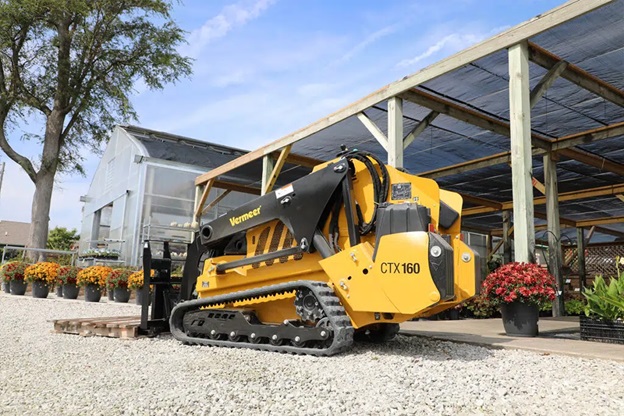
In the dynamic world of small-scale construction, efficiency and versatility are critical components of success. Mini skid steers emerge as pivotal players in this realm, offering compact power that’s tailor-made for the unique demands of limited-space projects. Favoured for their adaptability, these machines prove indispensable for tasks ranging from landscaping to light construction work. In this blog, we explore how mini skid steers are revolutionising small-scale construction projects, delivering performance that belies their size.

The Essentials of Mini Skid Steers

Mini skid steers, or compact utility loaders, are smaller siblings to the larger skid steer loaders, designed specifically for environments where space is at a premium and larger equipment just won’t fit. Their small footprint and agile manoeuvrability make them perfect for navigating narrow passageways and operating in confined spaces such as backyards, inside buildings, or between fixtures in urban construction sites.

Versatility in Attachments

One of the standout features of mini skid steers is their versatile attachment capability, which allows a single machine to perform a multitude of tasks. With the right attachments, a mini skid steer can dig, haul, stack, and much more. Common attachments include:

  • Buckets: For digging, scooping, and transporting materials like soil, gravel, or sand.
  • Forks: Useful for pallet handling and moving materials around a construction site.
  • Augers: For drilling holes for fencing, posts, or planting trees.
  • Trenchers: Essential for installing irrigation systems or underground utilities.
  • Grapples: For grabbing and moving bulky, irregular items like tree limbs or debris.

This ability to switch functions swiftly not only maximises productivity but also significantly reduces the need for manual labour, making construction tasks quicker and less physically demanding.

Enhancing Productivity in Limited Spaces

The compact design of mini skid steers allows them to excel in environments that restrict larger machinery. Their nimble nature facilitates efficient operation in tight spaces—a common scenario in residential projects or in cities with dense infrastructure. The efficiency of mini skid steers means that projects can be completed faster and with fewer resources, ultimately boosting the bottom line for contractors and clients alike.

Cost-Effective Operation

Mini skid steers are not just versatile and efficient; they are also cost-effective. They typically require less fuel than larger machines, and their maintenance costs are often lower due to simpler mechanics and smaller engines. Moreover, the initial investment is significantly less than that of larger equipment, making them an attractive option for small businesses or independent contractors who need to maximise their equipment budget.

Environmental Impact

As the construction industry faces increasing pressure to reduce its environmental footprint, mini skid steers offer a more sustainable alternative to larger, less fuel-efficient machinery. Their smaller engines produce fewer emissions, and their efficiency in completing tasks reduces the overall energy use on projects. Furthermore, their reduced weight limits the damage to landscapes and surfaces, preserving the integrity of the project site.

Safety Features

Despite their compact size, mini skid steers do not compromise on safety. Manufacturers like Vermeer equip these machines with features designed to protect operators, including roll-over protection structures (ROPS) and emergency stop buttons. Their lower ground clearance reduces the risk of tipping, and the ease of control helps prevent accidents even in congested or complex job sites.

A Tool for Every Task

The scope of applications for mini skid steers is impressively broad, making them invaluable across various sectors:

  • Landscaping: From moving soil and mulch to installing garden features and clearing debris, mini skid steers can handle all aspects of landscape construction.
  • General Construction: Their ability to transport materials and manage waste makes them useful on any construction site, especially for tasks like demolishing small structures or preparing foundations.
  • Agriculture: They are also effective in agricultural settings, useful for tasks such as animal feed management and barn cleaning.
  • Municipal Work: Local councils can use mini skid steers for urban maintenance tasks such as repairing footpaths, park beautification, and even snow clearing in colder regions.

Conclusion

Mini skid steers embody the adage that great things come in small packages. Their combination of compact size, versatility, and power makes them an essential tool for anyone involved in small-scale construction. With the ability to switch from digging to hauling to drilling in the blink of an eye, these machines not only increase productivity but also offer an economical solution to a variety of construction challenges. For contractors looking to stay competitive and efficient, investing in a mini skid steer could be the key to unlocking new opportunities in the construction landscape. Whether it’s navigating the tight spaces of an urban construction site or enhancing productivity in landscape projects, mini skid steers prove that they are not just small—they are mighty.
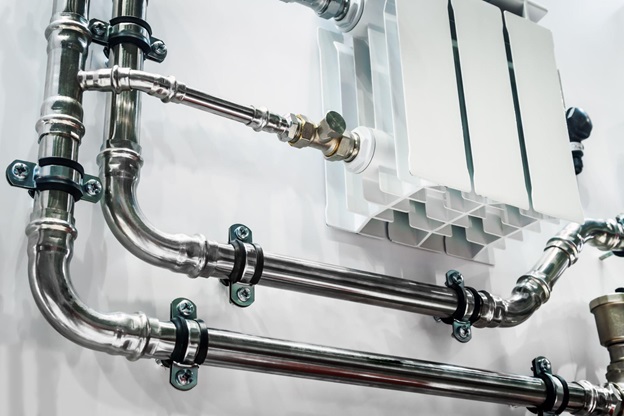

In the fast-paced world of modern construction and maintenance, efficiency and reliability are paramount. This is especially true in the plumbing and HVAC industries, where the integrity of pipework can significantly impact the overall functionality and safety of a building. Enter the press-fit technology—specifically, press-fit stainless steel tubes, a revolutionary method that is transforming these industries with its quick, clean, and durable installation capabilities. This blog delves into the workings of press-fit technology, its benefits, and why it’s becoming the preferred choice for contemporary plumbing and HVAC systems.

What is Press-Fit Technology?

Press-fit technology involves the connection of pipe work without the need for welding, soldering, or threading. It uses stainless steel tubes and press-fit fittings that are securely joined by a pressing tool that crimps the fitting onto the tube, creating a permanent and watertight seal. This method not only simplifies the installation process but also significantly reduces installation time and costs.

The Press-Fit Process

The process of installing press-fit stainless steel tubes is straightforward and highly efficient:

  1. Cutting the Tube: The stainless steel tube is cut to the desired length using a tube cutter, ensuring a clean and burr-free edge.
  2. Marking Insertion Depth: A marker is used to indicate the proper insertion depth on the tube to ensure it is fully inserted into the fitting.
  3. Inserting the Tube into the Fitting: The tube is inserted into the fitting up to the marked depth.
  4. Pressing the Fitting: A pressing tool with a compatible jaw or ring is positioned around the fitting and activated. The tool applies a precise amount of force to mechanically press the fitting onto the tube, creating a permanent and leak-proof seal.

This method is highly favoured for its speed and simplicity, significantly reducing the likelihood of errors during installation.

Key Advantages of Press-Fit Stainless Steel Tubes

  1. Reduced Installation Time: Press-fit systems can be installed up to 50% faster than traditional welding methods. This is because the need for skilled welders and the setup and cooling times associated with welding are eliminated.
  2. Enhanced Safety: By eliminating the need for hot works, press-fit installations reduce the risk of fires and burns, promoting a safer work environment.
  3. Leak-proof and Secure: The fittings have an elastomeric seal which ensures a tight and secure connection, reducing the risk of leaks. This is particularly crucial in systems that handle water or gases under pressure.
  4. Versatility: Press-fit technology is suitable for a wide range of applications, including drinking water systems, heating and cooling systems, and gas pipelines. It is compatible with a variety of pipe materials, including stainless steel, copper, and carbon steel.
  5. Cost-Effective: While the initial cost of press-fit fittings may be higher than traditional fittings, the overall cost savings from reduced labour and installation times make it a cost-effective solution in the long run.
  6. Durability: Stainless steel provides excellent corrosion resistance, which is essential for maintaining the longevity and reliability of plumbing and HVAC systems.

Applications in Plumbing and HVAC Systems

In plumbing systems, press-fit technology offers a quick and reliable method for installing durable piping solutions that resist corrosion and mineral buildup, which can degrade pipe quality and water flow over time.

For HVAC systems, the ability of press-fit fittings to maintain a secure and airtight system is invaluable. They ensure efficient operation and prevent the leakage of air or refrigerants, which can significantly impact system efficiency and operating costs.

The Future of Press-Fit in Australia

The Australian market has warmly embraced press-fit technology due to its numerous benefits. It is increasingly being specified by engineers and contractors who seek to reduce the environmental impact of their projects and improve safety and efficiency on site. The technology aligns well with the Australian industry’s push towards more sustainable construction practices and higher safety standards.

Conclusion

Press-fit stainless steel tubes represent a significant advancement in the field of plumbing and HVAC installation. Offering unmatched efficiency, safety, and reliability, this modern approach meets the demands of both today’s fast-paced construction schedules and the rigorous standards required for building systems.

Google’s algorithm updates continually keep digital marketers on their toes. By understanding these updates and implementing an effective SEO strategy, you can ensure that your website stays visible and ranks high on the search engine results pages (SERPs). In this guide, we will discuss the importance of adapting your SEO strategy to Google’s algorithm updates and provide tips on how to do so effectively.

The Importance of SEO

Search engine optimization (SEO) is the critical process to increase the quality and quantity of website traffic by enhancing its visibility. It lays the foundation for a website’s success in the digital world. SEO methods serve as a guide for Google’s algorithm updates to crawl through your site efficiently and rank it accordingly.

The higher your website ranks on the SERPs, the more traffic it is likely to receive. By optimizing your website for search engines with the help of experts in SEO optimization in Atlanta, you can increase your visibility and attract potential customers to your site, leading to higher conversions and revenue.

Adapting to Google Algorithm Updates

Google rolls out numerous minor algorithm updates throughout the year in its pursuit to provide useful and quality content to the users. The changes in SEO rules can seem overwhelming, but strategic planning will help to utilize these changes for your benefit.

Staying Updated

Make sure to stay on top of the updates. Understand the changes, and evaluate their potential impact on your web content and ranking. Consider adjusting your SEO strategy aligning with the updates.

Valuing Quality Over Quantity

Google’s core algorithm emphasizes quality content. With this, the old practices of stuffing keywords and producing mass low-quality content are long gone. Publish well-researched and value-adding content that integrates keywords naturally.

Mobile-First Indexing

With mobile-first indexing, Google predominantly uses the mobile version of a page for indexing and ranking. Therefore, ensure your website is mobile-friendly and offers a seamless user experience across all devices.

User Experience (UX)

Enhancing the UX is at the center of Google’s updates. It emphasizes websites’ load time, mobile optimization, safe-browsing, HTTPS-security, and no intrusive interstitial guidelines.

What are the Other SEO Techniques?

Although Google’s algorithms have evolved, the core elements of different types of SEO techniques remain the same. While on-page SEO, like quality content and keyword optimization, is still crucial, off-page SEO techniques, like backlinks and social signals, hold an equal significance. Technical SEO aspects such as site speed, mobile-friendliness, and security play a huge role in your site’s rank.

Conclusion

Adapting your SEO strategy in line with the Google algorithm updates will aid in maintaining a high rank on the SERPs. Emphasize curating rich, well-structured content and providing an excellent user experience to your visitors. Remember, Google’s mission is to organize the world’s information and make it universally accessible and useful – your website should aim to contribute to that mission.